
TL;DR

Get travel and outdoor gear delivered free — and shop member deals
- Fast, free delivery on millions of items
- Access to Prime Big Deal Days deals on October 6–7
- Prime Video, Amazon Music and more included
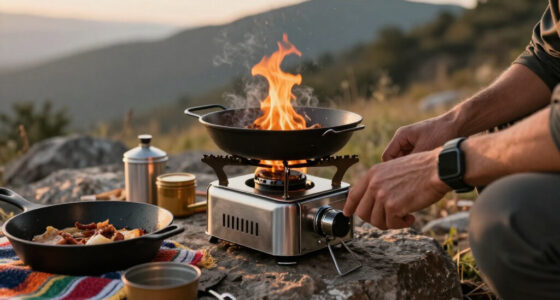
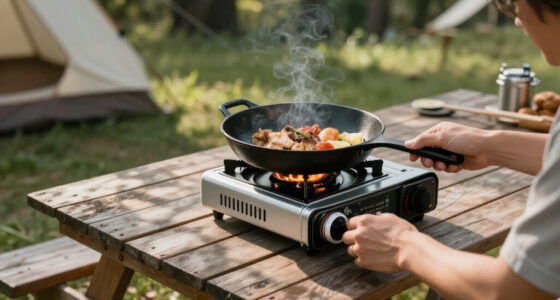
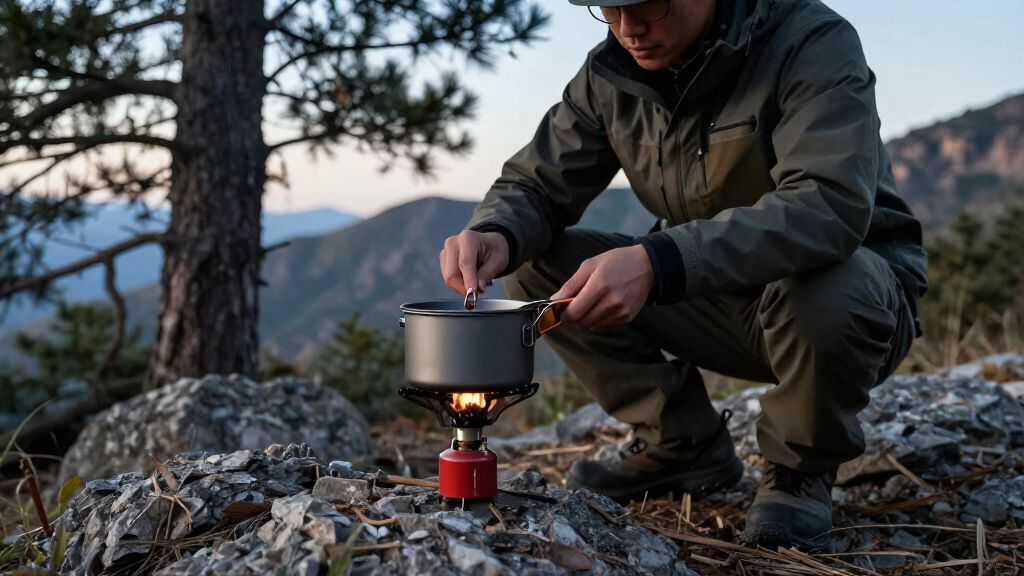
Portable camping stoves vary from lightweight canisters to powerful propane units. Selecting the right one depends on your trip needs, safety, and fuel availability. Modern designs focus on efficiency, wind resistance, and safety features.
Imagine this: you’re deep in the woods, a campfire isn’t an option, and you need hot water or a warm meal. Your choice of stove becomes your lifeline. A well-chosen portable camping stove transforms a simple outdoor meal into a comforting ritual, turning raw ingredients into something satisfying.
But with dozens of options—each with its quirks and strengths—how do you pick the right one? This guide cuts through the noise, showing you what matters most: weight, safety, fuel type, and performance. Whether you’re a weekend warrior or a long-haul backpacker, understanding your stove options makes your outdoor cooking smoother, safer, and more enjoyable.
Match your stove type to your trip length, weather, and group size for optimal performance.
Invest in wind-resistant designs and preheating techniques to ensure reliable cooking in challenging conditions.
Always operate stoves outdoors in well-ventilated areas; never inside tents or enclosed spaces.
Stay updated on market trends: modern stoves focus on fuel efficiency, safety features, and sustainability.
Prepping and maintaining your stove properly can stretch fuel, enhance safety, and prolong equipment life.
What Are the Main Types of Portable Camping Stoves and Which Fits Your Trip?
Choosing between stove types is step one. Each design is tailored to specific needs, climates, and trip lengths. For instance, if you’re backpacking in freezing conditions, an alcohol stove might be too slow, whereas a remote-canister model with a preheating tube could shine.
Here’s a quick breakdown:
| Type | Best For | Pros | Cons |
|---|---|---|---|
| Canister Stoves | Backpacking, mild weather | Lightweight, clean-burning, easy regulation | Performance drops in cold; canisters are non-recyclable |
| Liquid-Fuel Stoves | Long trips, cold climates | Reliable in cold, high heat output | Heavier, more maintenance, priming needed |
| Wood-Burning Stoves | Environmental focus, remote areas | No fuel cost, eco-friendly | Weather dependent, smoke, soot |
| Solid-Fuel Stoves | Ultralight trips, emergencies | Inexpensive, compact | Slow, difficult regulation, residue |
| Propane/Propane-Canister | Car camping, group cooking | Powerful, stable, large support | Heavy, less portable, weighty for backpacking |
Matching your trip length, weather, and group size to the stove type makes all the difference. For weekend hikes, a small canister stove might be perfect. For a multi-week expedition in cold conditions, a liquid-fuel stove could save the day.
portable camping stove for backpacking
As an affiliate, we earn on qualifying purchases.
As an affiliate, we earn on qualifying purchases.
How to Pick a Stove That Works in Wind, Cold, and High Altitude
Performance factors can make or break your outdoor cooking. The best stove for windy, cold, or high-altitude environments needs specific features. For example, a regular canister stove might struggle in freezing weather because fuel vapor pressure drops.
Here’s a quick guide to choosing a resilient stove:
- Wind Resistance: Opt for recessed burners or stoves with windshields integrated into the design. They protect the flame and reduce fuel waste.
- Cold Weather: Use remote-canister systems with preheating tubes or liquid fuel models. These maintain consistent performance despite low temperatures.
- High Altitude: Choose stoves with adjustable pressure regulators to compensate for lower oxygen levels. Test your setup at home by simulating conditions.
- Fuel Efficiency: In cold or high-altitude conditions, fuel consumption skyrockets. Use stoves with heat exchangers to boost efficiency and save fuel.
One real-world example: a hiker in the Rockies used an integrated remote-canister stove with a preheater. It boiled water in under 5 minutes at 12,000 feet, even in freezing temps—something a basic canister stove would struggle with.
Safety Tips You Can’t Ignore When Using a Camping Stove
Safety isn’t just a checkbox. It’s the difference between a cozy trip and a dangerous accident. Always operate your stove in open, well-ventilated spaces. Never inside a tent or vehicle—carbon monoxide can kill silently.
Before lighting, check all connections with a soapy-water test for leaks. Let the stove cool completely before disassembling or packing. Keep children and pets far away, and clear dry vegetation from your cooking area.
Remember: never puncture or try to refill a canister. Follow manufacturer guidelines, and if in doubt, carry a backup ignition—matches or a lighter—because piezo igniters can fail, especially when wet or cold.
In wildfire season, some regions ban open flames or certain stove types. Always check local fire restrictions before cooking outdoors.
Real-life tip: a camper accidentally left a canister near a campfire. It overheated and vented violently. Always keep fuel away from heat sources and never enclose upright canisters with tight windscreens.
Latest Trends Making Camping Stoves Better Than Ever
Modern camping stoves are evolving fast. Fuel efficiency has improved with heat exchangers that reduce fuel burn by up to 30%. Wind resistance gets a boost from recessed burners and enclosed designs, making outdoor cooking more reliable.
Designers now focus on weight savings: titanium and aluminum alloys cut weight by 20-30% compared to older models. Multifunction systems combine stove, cookware, and accessories, saving space and weight. Some brands are even integrating solar and battery tech for electric or induction options—great for car campers with access to power.
Environmental concerns are shaping the market. Recyclable canisters, refillable systems, and repairable stoves are gaining traction, reducing waste significantly. Stricter wildfire rules mean newer models feature automatic shutoffs and pressure regulation to lower spark risk.
For example, a recent release features a titanium-bodied stove with a built-in windscreen and a pressure regulator, reducing fuel use and increasing safety in windy conditions.
Real-World Tips to Make Your Camping Stove More Efficient and Safer
Efficiency starts with smart fuel use. Always preheat your canister in cold weather by keeping it close to your body or in warm water. Use a windscreen properly—never tightly enclose the canister, and keep it a few inches away from the flame to prevent overheating.
Choose cookware that matches your stove’s support system. Lightweight aluminum pots heat quickly and evenly. For maximum efficiency, opt for heat-exchanger pots compatible with your stove’s design.
Clean your stove regularly—inspect jets, seals, and connections. Store fuel in a cool, dry place away from heat and direct sunlight. Before packing, let the stove cool and disconnect the fuel source if possible.
Safety-wise, always operate in open areas. Carry a backup ignition source. Verify current fire restrictions—some regions ban alcohol and solid-fuel models during high fire risk periods.
Real-world tip: a backpacker saved fuel by using a pot with a heat exchanger, reducing burn time by 25%. Simple actions like this can stretch your supplies and improve safety.
Frequently Asked Questions
Which stove is best for backpacking?
A small canister stove is usually the best choice for backpackers. It’s lightweight, efficient, and easy to carry. For cold-weather trips, consider a remote-canister system with preheating or a liquid-fuel stove for reliability in freezing temps.
Can I use a camping stove inside a tent?
No. Using a stove inside a tent or enclosed space poses serious risks of carbon monoxide poisoning and fire. Always operate your stove outside in a well-ventilated area.
How much fuel should I carry for a multi-day trip?
Estimate based on your planned meals, water temperature, weather, and altitude. A good rule is to carry about 20-30% more fuel than your calculations suggest. Test your setup at home to get a better idea.
Are fuel canisters recyclable?
Most disposable canisters are not recyclable through standard programs. Many regions require them to be completely empty and disposed of according to local regulations. Refillable or recyclable models are emerging as more sustainable options.
What safety features should I look for?
Look for automatic shutoff valves, pressure regulation, stable supports, and wind-resistant designs. These features help prevent accidents and improve reliability, especially in unpredictable outdoor conditions.
Conclusion
Your choice of portable camping stove isn’t just about weight or price—it shapes your entire outdoor experience. A reliable, safe stove turns cooking into part of the adventure, not a hassle. Think about your trip’s needs, safety, and the environment, then pick the setup that keeps you cooking happily.
Next time you hit the trail, remember: a good stove is the quiet hero behind every satisfying meal under the open sky. It’s simple—choose smart, operate safely, and enjoy every moment around the campfire.
Fall Picks
fall essentials
As an affiliate, we earn on qualifying purchases.