AIThis post was created with the assistance of artificial intelligence (AI).

TL;DR

Portable camping stoves use compact burners and fuel to help you cook outdoors, and the best type depends on where you camp, how you cook, and what fuel you can carry. Compare canister, liquid-fuel, integrated, and other designs against your weather, group size, stability needs, and local rules; always use a stove outdoors on a level, nonflammable surface.

A stove that boils water in three minutes at home can feel like a stubborn little machine when wind whips across a rocky campsite. Portable camping stoves make outdoor meals possible, but the right one depends on where you’ll camp, how many people you’ll feed, what fuel you can carry, and the weather you expect. This guide walks you through the main stove types, the features that matter once you’re cooking outside, and simple ways to choose safely. You’ll also find practical examples, from a solo overnight hike to a family meal at a campground, so you can match your gear to the trip instead of guessing from a product label.
At a glance
Portable Camping Stoves: Choose the Right One
Key insight
A canister stove can lose performance as temperatures fall, while an integrated pot system can boil water efficiently in suitable conditions; neither advertised speed nor fuel estimates guarantee the…
Key takeaways
1

Choose a stove around your meals, group size, weather, and pack space rather than weight alone.

2

Check fuel compatibility and local availability; different fuels and canister connections may not interchange.

3

Expect cold and wind to affect performance, and look for guidance tied to the conditions you’ll face.

4

Test pot stability and cooking control with your intended cookware before the trip.

5

Use the stove outdoors on a stable, nonflammable surface, follow its manual, and check local fire rules.

Step by step
1
Match the stove to your trip, not just its advertised weight
The best portable camping stove for your trip balances weight, stability, cooking style, and fuel access.
Before you orderOffer from Amazon

Get travel and outdoor gear delivered free with Prime

  • Fast, free delivery on millions of items
  • Prime Video, Amazon Music and more included
  • Member-only deals all year
Start your free Prime trial Free trial for eligible customers · Cancel anytime
As an affiliate, we earn on qualifying purchases.

Know what each stove type does before you buy

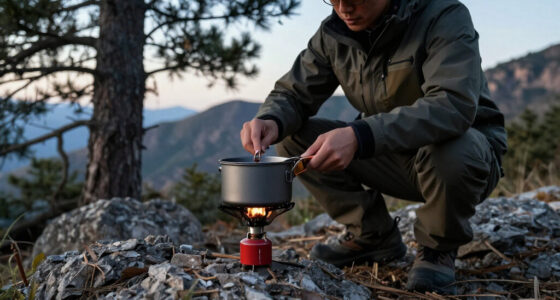
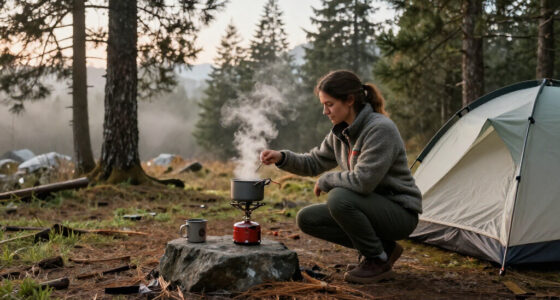
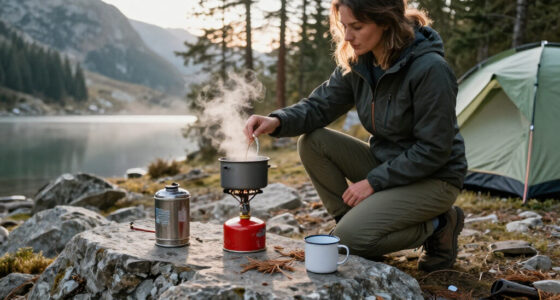
Portable camping stoves are compact burners that turn carried or gathered fuel into heat for outdoor cooking. Their designs differ because campers face different constraints: some need the smallest possible setup, some need a stove that can be serviced far from home, and others value predictable boiling more than versatility. Those differences affect not only what fits in a pack, but also how much attention cooking takes and what meals are practical. A canister stove screws onto a pressurized fuel canister and is popular with backpackers because setup is quick and the burner is compact. That simplicity is useful when you arrive late or only need to boil water, though cold can reduce canister pressure and the small pot supports can feel unstable with larger cookware. Liquid-fuel stoves draw fuel from a refillable bottle. They can be practical on long trips where suitable liquid fuel is available and cold-weather performance matters, but priming, cleaning, and maintenance add steps. Integrated systems pair a burner with a fitted pot, often with a heat exchanger. The close fit can transfer heat efficiently and pack neatly, but it can limit cookware choice and is less suited to meals that need a broad pan or careful simmering. Alcohol and solid-fuel stoves have few parts and can be light, but their slower heating and limited flame control make them less convenient when cooking needs change. Wood-burning models use gathered twigs where rules allow; this can reduce carried fuel, but only if dry wood is available and collection is permitted. In practice, a solo hiker who boils water may value a light, efficient system, while a car-camping group may accept extra bulk for a wider, steadier burner. Think of the stove as the engine of your camp kitchen: efficiency matters, but so does whether it can handle the road you’re taking. [1]

Products Worth Considering

Amazon Kindle Paperwhite (12th Generation, 2024), 16GB, 7-Inch Display, Raspberry

Amazon Kindle Paperwhite (12th Generation, 2024), 16GB, 7-Inch Display, Raspberry

Bose QuietComfort Headphones (2nd Gen), Wireless Noise-Cancelling Over-Ear Headphones, White Smoke

Bose QuietComfort Headphones (2nd Gen), Wireless Noise-Cancelling Over-Ear Headphones, White Smoke

As an affiliate, we earn on qualifying purchases.

Match the stove to your trip, not just its advertised weight

The best portable camping stove for your trip balances weight, stability, cooking style, and fuel access. A tiny burner can be a smart choice when every ounce matters, while a larger, steadier setup usually feels better when you’re cooking for several people. Start with the meals and conditions you actually expect. Imagine a solo backpacker heating water for oatmeal and coffee before sunrise. A compact canister stove may keep the pack light and the routine simple. Now imagine two adults and a child at a lakeside campground, where dinner means a pot of beans and a pan of tortillas. A wider stove with more cooking space may make that meal less awkward, even if it takes up more room in the car. Use this quick checklist to narrow your options:
  1. Count the cooks and diners. Solo meals need less cooking space than a group dinner.
  2. Write down your menu. Fast boiling suits simple meals; simmer control and a broad burner help with pans and sauces.
  3. Check the expected weather. Cold and wind can affect performance, and high altitude may change how a model behaves.
  4. Confirm fuel access. Look for the right fuel at home and near your destination.
  5. Check pot stability. A small burner can feel top-heavy under a large, full pot.
This list makes the choice concrete: if you’re carrying one small pot and mostly boiling water, you may not need a bulky setup. For a family weekend with varied meals, extra stability can matter more than shaving a few grams. [1]

Choose fuel you can actually get and use

Fuel choice depends on where you camp, how long you’ll stay, the temperatures you expect, and what your stove was designed to burn. Stove fuels are not interchangeable, and a canister that fits one model or regional standard may not fit another. Check the stove manual and the exact fuel connection before buying supplies. For a weekend hike close to home, a compatible canister may be easy to pick up before you leave. For a longer trip, liquid fuel from a refillable bottle may make more sense if you can buy the correct type along the route and are comfortable with the extra care. Wood-burning stoves can avoid carrying conventional fuel, but they depend on dry twigs and are unsuitable where wood gathering or fires are prohibited. Think through a realistic travel day: you’re flying to a trailhead, then taking a bus to a small town. Don’t assume you can bring stove fuel on a passenger flight or find your preferred canister at the last stop. Fuel carriage rules vary; check current airline and aviation authority requirements before you travel. Used canisters also need local disposal guidance. Some places offer recycling options, while others don’t. Follow the canister maker’s directions and local waste rules instead of tossing a partly full canister into ordinary rubbish. [1]

Expect wind and cold to change cooking time

Wind and low temperatures can make a stove slower and less predictable, even when the product’s advertised boil time looks impressive. Cold can reduce pressure in many canister systems, and wind can carry heat away from your pot. High altitude, fuel type, stove design, and cooking style also affect performance, so seek guidance for conditions similar to yours. A clear summer evening on a sheltered picnic table is different from a frosty, exposed ridge. On the ridge, your canister stove may struggle more than it did on the last trip. Some newer designs place a canister away from the burner or support liquid-feed use when the manufacturer permits it; those features can help with stability or cold-weather performance, but the setup must follow the manual. Wind protection and efficient pot-and-burner designs can also reduce wasted heat in suitable conditions. Don’t treat a windscreen as an invitation to improvise around a pressurized fuel canister. Use only protection approved for your stove, keep the setup outdoors, and follow its instructions. If your weekend route often brings freezing nights, look for model-specific cold-weather guidance before buying. A stove tested on a calm patio tells you little about a gusty campsite, just as a rain jacket’s sunny-day comfort doesn’t predict its value in a storm. [1]

Check pot stability and cooking control before your first meal

A stove should hold your cookware steady and give you enough control for the meals you plan to make. Small backpacking burners can become top-heavy with a large pot, while a broad burner and steady flame make it easier to cook in a pan. Consider the pot, burner, and fuel arrangement as one system rather than judging the burner alone. For example, a narrow burner might handle a small mug of soup perfectly but wobble when you set a wide pot full of water on top. A wider base, remote fuel canister, or stove stand may improve stability if the manufacturer allows that setup. Test the fit at home with the cookware you plan to carry, and place the stove on a firm, level, nonflammable surface. Your menu matters just as much. A fast, efficient flame is convenient when you mainly boil water for dehydrated meals. If you want to simmer rice or cook vegetables in a pan, look for useful flame control and a burner designed for that style. A compact burner and small pot make a tidy pair for a solo trip; the same arrangement can turn dinner for four into a cramped game of cookware Tetris. [1]

Use your stove outdoors and handle fuel with care

Use a camping stove outdoors in a well-ventilated area, on a level, stable, nonflammable surface; never use one inside a tent, vehicle, or other enclosed space. Carbon monoxide can build up without warning, and a stove can also start a fire. Follow the manufacturer’s instructions and local fire regulations every time you cook. Before lighting, check the connections for leaks as the manual directs and keep fuel away from heat and flames. After cooking, let the stove cool before packing it. These habits matter on an ordinary evening, not only during an emergency: a gust can tip a pot, and a rushed pack-up can leave hot metal beside fabric or fuel. Picture a family stopping at a busy campground picnic area. An adult sets the stove on a stable table, keeps children clear of the hot burner and pot, and stays close while food cooks. If young children are nearby, active adult supervision helps prevent burns and knocks; keep the cooking area separate from play. Conditions and restrictions differ by region and season, so check the local fire rules before your trip. A wood stove allowed on one trail may be prohibited during a fire ban elsewhere. [1]

Look beyond the boil-time claim in reviews

A useful stove review tells you how the model performs across the parts of camping that matter: fuel use, simmer control, stability, wind response, packed size, maintenance, and conditions. Boil time can help compare models, but it doesn’t predict your full experience on a windy hillside or while cooking a pan meal. Suppose two stoves both claim to boil water in a few minutes. One packs neatly inside its pot but offers little room for varied cookware. The other weighs more, yet its broader support and flame control make dinner easier for a group. Which one is better depends on whether your priority is a light pack, a quick cup, or a comfortable meal after a long day. Look for tests that describe the pot size, weather, and fuel conditions behind the result. Manufacturer estimates are conditional, and canister duration varies with canister size, efficiency, temperature, altitude, and how often you cook. Recent designs may emphasize fuel efficiency, wind protection, and lighter packing, but features and model claims change. Check current instructions, prices, and regulations before buying. If your route includes remote stops, a review that tests the fuel you can actually source is more useful than a glowing score with no details. [1]

Frequently Asked Questions

Which camping stove is easiest for a beginner?

A straightforward canister stove is often simple to set up, but the best pick depends on your trip, fuel access, and cooking plans. Read the manual and practice outdoors before you rely on it at camp.

Can I use a camping stove inside a tent or car?

No. Use a stove outdoors in a well-ventilated area because carbon monoxide can build up in enclosed spaces without warning, and flames can start a fire.

Will a canister stove work in cold weather?

It may lose performance as temperatures fall. Check the stove and fuel guidance for the conditions you expect, and follow the manufacturer’s directions for any cold-weather setup.

How long does a fuel canister last?

It varies with canister size, stove efficiency, wind, temperature, altitude, and how often you cook. Treat manufacturer estimates as conditional rather than guaranteed for every trip.

Are camping stove fuel canisters recyclable?

Sometimes, but recycling and disposal options vary by location. Follow the canister maker’s instructions and local waste rules, and don’t assume a partly full canister belongs in ordinary rubbish.

Can I bring stove fuel on a plane?

Fuel is generally restricted on passenger flights, and rules can vary. Check current airline and aviation authority guidance before traveling; don’t assume an empty canister is allowed.

Conclusion

Choose the stove that fits the trip you’re actually taking: the meals you’ll cook, the fuel you can find, and the weather you expect. Before you leave, check compatibility, read the manual, and confirm local fire and travel rules. Then practice setting it up on a stable outdoor surface. A calm, hot meal at camp starts with a small burner you know how to use.
You May Also Like

How to Choose Portable Camping Stoves

Set up, light, cook on, and pack away a portable camping stove with practical safety checks and troubleshooting.

Portable Camping Stoves: A Labor Day sales Guide

Discover the best portable camping stoves, compare types, safety tips, and market trends to cook confidently on your next outdoor adventure.

Best Portable Camping Stoves Compared

Compare canister and liquid-fuel camping stoves on weight, cold-weather performance, convenience, cost, and the trips each suits best.