TL;DR
Compact camping cookware sets nest pots, pans, and sometimes cups or utensils to save space when preparing meals outdoors. Compare total packed weight and pot capacity rather than relying on piece count: backpackers often favor light, nesting sets, while car campers can prioritize larger pots and durability. Check that the set fits your stove and handle it as hot cookware around camp.
A cookware set can fit inside a single pot and still feel like an anchor after five miles on a trail. That’s the catch with compact camping cookware sets: small packed size and low weight are two different things.

Get travel and outdoor gear delivered free with Prime
- Fast, free delivery on millions of items
- Prime Video, Amazon Music and more included
- Member-only deals all year
These sets bring together pots, pans, lids, and sometimes cups or utensils for preparing meals outdoors. Nesting shapes save room in a backpack or car, but the right kit depends on what you cook, how many people you feed, and how you travel. A two-person backpacking trip has different needs from a family campsite with a roomy stove and a cooler.
This guide explains what they are, how materials and capacity affect everyday use, and which details to check before buying. You’ll also get a practical way to compare sets, so you can spend less time rattling through accessories and more time eating a hot meal as the evening air cools.
Compare total weight and packed size separately; a set can nest neatly yet still weigh more than you want to carry.
Check pot volume and pan dimensions against your usual meals instead of choosing by advertised piece count.
Hard-anodized aluminum is a versatile balance, stainless steel favors durability, and titanium favors low weight at a higher cost.
Confirm stove fit, stable handles, and safe use instructions before cooking; treat handles and lids as hot unless designed otherwise.
Protect coated cookware with nonabrasive utensils, and use a cloth or storage bag to limit rattling and scratches.
What a Compact Set Includes—and What You’ll Actually Use
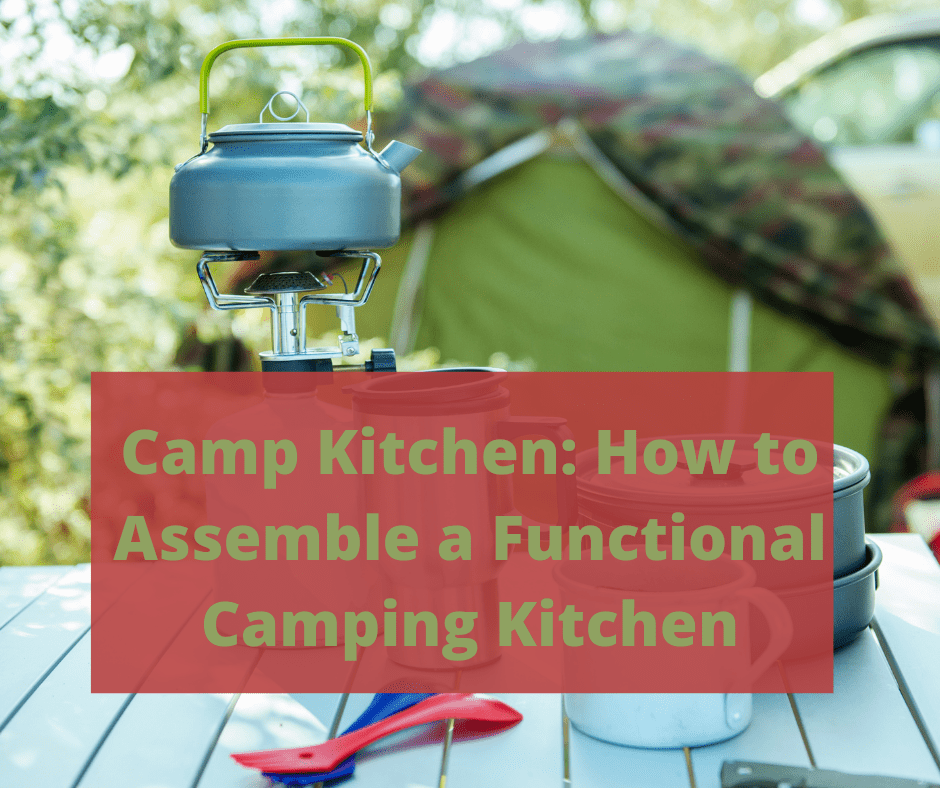
A compact camping cookware set groups pots, pans, lids, and sometimes cups or utensils into pieces that pack together. Most use nesting shapes, like measuring cups tucked into one another, so a whole cook kit takes up less room than separate kitchen items. The exact contents vary, which makes the listed piece count a poor shortcut for judging value.
For example, a set advertised as a “10-piece” kit could count a pot, lid, pan, two bowls, two cups, and several small accessories. That sounds generous until you check whether the pot capacity can hold enough pasta for your group. Read the item list, dimensions, and volume before comparing prices; a single well-sized pot can matter more than six accessories you rarely take out of their bag.
A two-person set often works well with one pot, a lid, and a mug for morning coffee. If you usually boil water for dehydrated meals, a pan may add weight without adding much value. If you like eggs or pancakes at camp, that pan earns its space. Think of the kit like a small toolbox: a crowded box is not useful if it lacks the tool you reach for most.
Common extras include stackable cups, a kettle, a scrubber, or a storage bag. They can keep the kit tidy, but they also add bulk. Some sets combine portable cookware with utensils and tableware; check whether those pieces replace gear you already own before carrying them into the woods.
Products Worth Considering

Samsonite Tour Pro Hardside Golf Travel Case

Samsonite Omni 2 Hardside 2-Piece Luggage Set, Lagoon Blue

Apple AirPods Pro with Wireless Charging Case
As an affiliate, we earn on qualifying purchases.
Pick Capacity by Meal, Not by the Number on the Box
Choose a set by checking pot volume and pan size against the meals and servings you make, rather than counting its pieces. Capacity tells you whether a pot can hold enough soup, rice, or boiling water for your group. That number gives you a more useful starting point than a claim that a kit has “everything.”
Imagine two campers at a windy trail stop. A pot that holds enough water for both their meals lets them eat together, while a very small pot may mean boiling in several batches and waiting for fuel to do extra work. For a group of four, one large pot can suit shared stews, but separate cups and bowls may still make serving easier. Your menu and eating habits matter as much as head count.
Use this quick check before buying:
- Count the people who will share the cooking pot on a typical trip.
- Choose a common meal, such as oatmeal, soup, or pasta, and estimate the water or food it needs.
- Check pot volume and pan dimensions against that meal; look for measurements from the maker.
- Consider batch cooking if your group is larger or the kit is deliberately small.
- Skip unused pieces if they add weight without replacing anything in your pack.
One camper who mostly boils water may be happier with a pot and mug than a full pan set. A couple who cooks fresh vegetables and pancakes could use the pan every morning. Your actual breakfast is a better guide than a package photo of every piece spread across a table.
Compare Aluminum, Steel, Titanium, and Coated Surfaces
Choose cookware material by balancing weight, durability, cooking style, and the care you’re willing to give it. Hard-anodized aluminum is a common all-around option because it heats efficiently while staying relatively light. Stainless steel resists rough treatment, though it weighs more and can heat unevenly; titanium keeps weight low but often costs more and may create hot spots.
That difference shows up over a real flame or stove. A titanium pot can feel like a gift on a long climb, but you may need to stir oatmeal carefully where the bottom gets hottest. Stainless steel can handle more knocks in a family camp kitchen, though it adds weight you’ll notice in a backpack. It’s a bit like choosing shoes: the lightest pair may be a pleasure on a trail, while a sturdy pair may suit a week beside the car.
| Material | Best fit | Trade-off |
|---|---|---|
| Hard-anodized aluminum | General camping and backpacking | Can dent if thin or handled roughly |
| Stainless steel | Durability and car camping | Heavier; heat may be less even |
| Titanium | Weight-conscious trips | Higher cost; possible hot spots |
| Ceramic or nonstick coating | Easier cleanup | Needs careful handling to avoid damage |
Coated surfaces can make a sticky breakfast easier to wash after a chilly morning, but they need nonabrasive utensils and careful storage. A loose metal spoon banging around inside a pot can scratch a coating. Match the material to your trip and cooking habits, then check the care instructions for the specific set.
Check the Stove Fit, Handles, and Lid Before You Pack
A cookware set works well only if it sits securely on your stove and stays manageable when hot. Flat-bottom pots suit many camping stoves, but stove designs vary, so check the cookware maker’s compatibility guidance and your stove manual. A pot that balances poorly can wobble while water boils, especially on uneven ground.
Try the setup at home before a trip. Put the empty pot on your stove, check how it sits, and see whether the handle clears the flame and supports the pot securely. Folding or removable handles save packing room, but the attachment should feel firm. If you’re heating soup after a rainy hike, a loose grip is the last surprise you want when steam rises from the pot.
A well-fitting lid helps hold heat, which can shorten cooking and reduce fuel use. It can also double as a plate or pan if the set is designed for that job. Handle and lid materials matter because metal cookware can heat quickly; treat them as hot unless the maker says a grip stays cool. A small cloth or heat-resistant glove can help with lifting.
Before cooking, give the pot a stable base, keep hands clear of hot metal, and follow the stove maker’s directions.
For campfire cooking, don’t assume a set is suitable just because it is metal. Check the manufacturer’s instructions for the exact cookware and avoid exposing coated surfaces to excessive heat. A backpacking pot designed for a controlled stove may not be made for direct flames or hot coals.
Pack a Set That Stays Quiet, Clean, and Ready to Cook
A compact set is easiest to live with when its pieces stay together, don’t rattle, and are simple to clean. Nesting pots save space by fitting inside one another; stackable cups can sit on top or alongside the pot. Both approaches make a neat pack, but the shapes and storage bag determine whether the whole bundle fits with your stove and food.
Picture an early start on a quiet trail: every step makes a loose lid tap against the pot. A storage bag or a soft cloth between pieces can stop that clatter and reduce scratches. If the set has a coating, keep metal utensils from rubbing against its surface in transit. These small packing habits take seconds but make the kit more pleasant to carry and use.
Cleaning also shapes the choice. Smooth sides and simple forms are easier to wipe down when you’re away from a sink. For a small meal, scrape out leftovers, use a little water and a soft cloth or suitable scrubber, and follow local rules for disposing of wash water. Coated cookware calls for nonabrasive tools; harsh scrubbing can shorten the life of the finish.
Accessories are useful when they do more than one job. A lid that fits a pot and serves as a plate saves space; a dedicated scrubber may help with cleanup but could be unnecessary if your existing cloth works. Inspect hinges, handle mounts, and thin edges too. A lighter pot might pack beautifully but dent more readily than a sturdier one, so judge it by the trips you plan to take.
Match the Set to Your Trip Before You Buy
The right set depends on where you camp: backpackers usually care most about low weight and nesting, while car campers can give more space to capacity, comfort, and durability. “Compact” describes how the pieces pack, not automatically how heavy they are. Check both packed dimensions and total weight, including the accessories you plan to bring.
A solo hiker who boils water for coffee and a pouch meal may only need one pot and a mug. A couple car camping for several nights may prefer a larger pot and pan that can handle eggs, vegetables, and a shared dinner. One kit won’t serve both trips equally well, just as a tiny daypack and a roomy car trunk don’t have the same limits.
Before you order, compare current manufacturer specifications with independent reviews for the exact model. Product designs, included pieces, prices, and claims can change. Pay attention to what reviewers say about handle stability, how the set nests, and whether the actual capacity matches the stated volume. Treat published specifications as a starting point and check the latest details before you buy.
Then ask yourself three practical questions: Will the pot sit on your stove? Will its volume suit your usual meal and group? Are the included pieces worth carrying? A plain set with the right pot can beat a larger kit that leaves half its accessories at home. The best cookware is the cookware you’ll be glad to pull out when the light fades and dinner still needs making.
Frequently Asked Questions
What size cookware set do I need for one, two, or four people?
Start with the meals you cook and the stated volume of the pot. A solo camper who boils water may need just a pot and mug, while two people sharing pasta or soup need room for a full meal. For four, check whether the set handles one large batch or if you’re comfortable cooking in rounds.
Is aluminum, stainless steel, or titanium best for camping cookware?
Hard-anodized aluminum offers a useful balance of low weight and efficient heating for many campers. Stainless steel is heavier but resists wear, while titanium suits weight-conscious trips and often costs more. Your cooking style matters too: titanium can develop hot spots, so stir food carefully.
How do I know whether a cookware set fits my camping stove?
Check the stove and cookware manufacturers’ compatibility instructions, then inspect how the pot sits on the stove. Flat-bottom cookware works with many setups, but some burners have specific requirements. A home test with an empty pot can reveal wobble or handle clearance issues before your trip.
Can I use compact camping cookware over an open fire?
Only do so if the manufacturer says that exact set is suitable for open-fire use. Thin cookware or coated surfaces may not tolerate direct flames or intense heat. Follow local fire rules and use stable cookware with suitable handles when the instructions allow fire use.
Are nonstick camping pots safe and durable?
Coated pots can make cleanup easier when you use them as directed. Protect the surface with nonabrasive utensils and careful storage, and avoid excessive heat. Check the manufacturer’s care instructions for the specific coating rather than assuming every nonstick set handles heat the same way.
Do I need a full cookware set, or can I bring just one pot and a mug?
You can bring only what your meals require. If you mostly boil water for coffee or pouch meals, one pot and a mug may cover your needs. If you cook eggs, pancakes, or vegetables, a pan can be worth its added space and weight.
Conclusion
Choose your cookware around the meals you actually make, the stove you actually carry, and the distance you’ll carry the set. Pot capacity, total weight, and stove fit tell you more than a crowded piece count on a box.
Pack the pieces you’ll use, protect them from rattling, and test the setup at home. Then, when dusk turns the campsite blue and dinner starts steaming, your small cook kit will feel like the right tool for the job.