
TL;DR
Portable camping stoves use compact burners and fuel to help you cook outdoors, and the best type depends on where you camp, how you cook, and what fuel you can carry. Compare canister, liquid-fuel, integrated, and other designs against your weather, group size, stability needs, and local rules; always use a stove outdoors on a level, nonflammable surface.
Choose a stove around your meals, group size, weather, and pack space rather than weight alone.
Check fuel compatibility and local availability; different fuels and canister connections may not interchange.
Expect cold and wind to affect performance, and look for guidance tied to the conditions you’ll face.
Test pot stability and cooking control with your intended cookware before the trip.
Use the stove outdoors on a stable, nonflammable surface, follow its manual, and check local fire rules.

Get travel and outdoor gear delivered free with Prime
- Fast, free delivery on millions of items
- Prime Video, Amazon Music and more included
- Member-only deals all year
Know what each stove type does before you buy
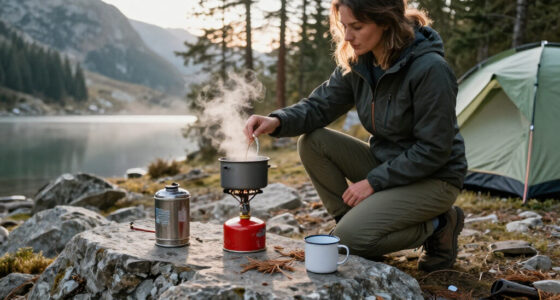
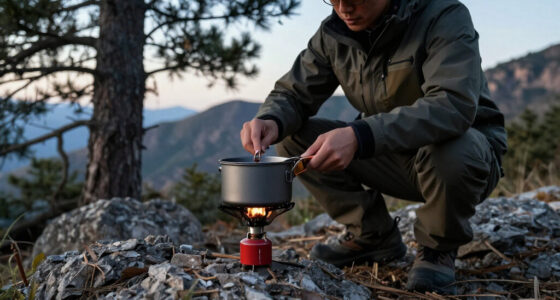
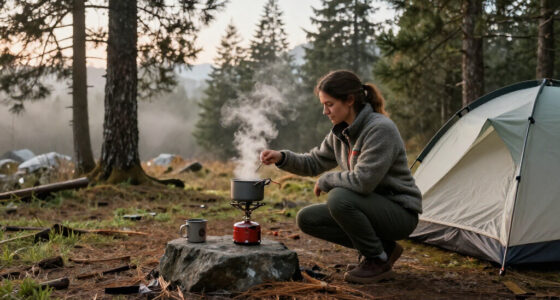
Portable camping stoves are compact burners that turn carried or gathered fuel into heat for outdoor cooking. Their designs differ because campers face different constraints: some need the smallest possible setup, some need a stove that can be serviced far from home, and others value predictable boiling more than versatility. Those differences affect not only what fits in a pack, but also how much attention cooking takes and what meals are practical. A canister stove screws onto a pressurized fuel canister and is popular with backpackers because setup is quick and the burner is compact. That simplicity is useful when you arrive late or only need to boil water, though cold can reduce canister pressure and the small pot supports can feel unstable with larger cookware. Liquid-fuel stoves draw fuel from a refillable bottle. They can be practical on long trips where suitable liquid fuel is available and cold-weather performance matters, but priming, cleaning, and maintenance add steps. Integrated systems pair a burner with a fitted pot, often with a heat exchanger. The close fit can transfer heat efficiently and pack neatly, but it can limit cookware choice and is less suited to meals that need a broad pan or careful simmering. Alcohol and solid-fuel stoves have few parts and can be light, but their slower heating and limited flame control make them less convenient when cooking needs change. Wood-burning models use gathered twigs where rules allow; this can reduce carried fuel, but only if dry wood is available and collection is permitted. In practice, a solo hiker who boils water may value a light, efficient system, while a car-camping group may accept extra bulk for a wider, steadier burner. Think of the stove as the engine of your camp kitchen: efficiency matters, but so does whether it can handle the road you’re taking. [1]Products Worth Considering

Samsonite Tour Deluxe Hard-Sided Golf Travel Case
Amazon Kindle Paperwhite (12th Generation, 2024), 16GB, 7-Inch Display, Raspberry

Bose QuietComfort Headphones (2nd Gen), Wireless Noise-Cancelling Over-Ear Headphones, White Smoke
As an affiliate, we earn on qualifying purchases.
Match the stove to your trip, not just its advertised weight
The best portable camping stove for your trip balances weight, stability, cooking style, and fuel access. A tiny burner can be a smart choice when every ounce matters, while a larger, steadier setup usually feels better when you’re cooking for several people. Start with the meals and conditions you actually expect. Imagine a solo backpacker heating water for oatmeal and coffee before sunrise. A compact canister stove may keep the pack light and the routine simple. Now imagine two adults and a child at a lakeside campground, where dinner means a pot of beans and a pan of tortillas. A wider stove with more cooking space may make that meal less awkward, even if it takes up more room in the car. Use this quick checklist to narrow your options:- Count the cooks and diners. Solo meals need less cooking space than a group dinner.
- Write down your menu. Fast boiling suits simple meals; simmer control and a broad burner help with pans and sauces.
- Check the expected weather. Cold and wind can affect performance, and high altitude may change how a model behaves.
- Confirm fuel access. Look for the right fuel at home and near your destination.
- Check pot stability. A small burner can feel top-heavy under a large, full pot.