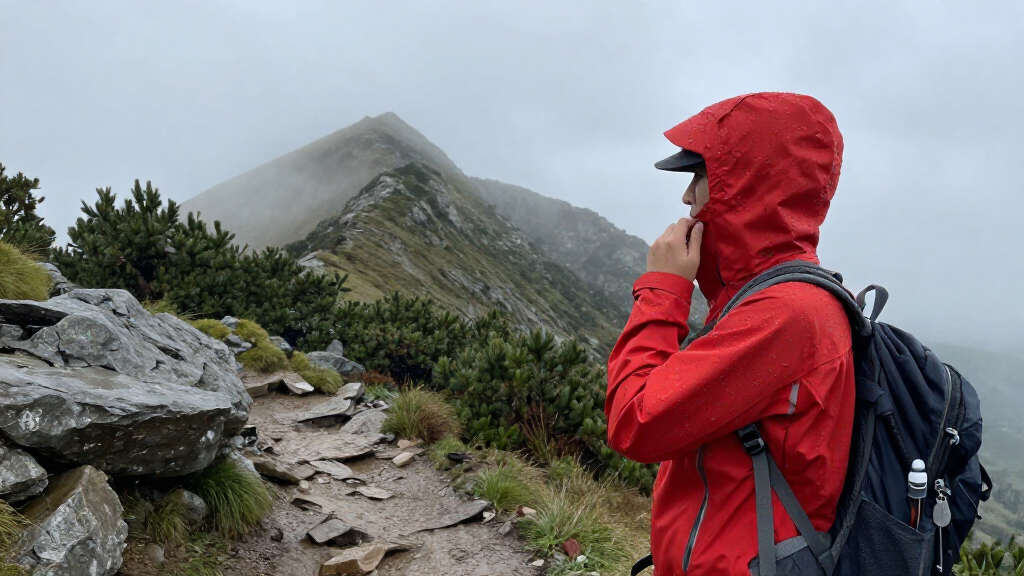
The best Gore-Tex jacket for most people is the Arc’teryx Beta AR, a versatile shell built for demanding mountain weather; the Rab Namche is a strong hiking alternative, while the GOREWEAR Lupra 2.0 is purpose-built for cyclists. Choosing among these jackets means weighing weather protection against weight, mobility, ventilation, and the fit needed for layers or sport-specific movement. The lineup also includes snow shells and more approachable rainwear, but not every waterproof jacket here uses Gore-Tex. Read on for the full breakdown and a guide to matching a jacket to your conditions.

Get travel and outdoor gear delivered free with Prime
- Fast, free delivery on millions of items
- Prime Video, Amazon Music and more included
- Member-only deals all year
Complete the kit


Key Takeaways
- The Arc’teryx Beta AR leads for broad mountain use: its rugged shell construction suits harder weather and rougher outings, though it is more jacket than casual walkers may need.
- The Rab Namche is the hiking-focused alternative, while the standard Arc’teryx Beta offers a simpler shell choice for buyers who do not need the AR model’s more demanding-use orientation.
- Sport-specific cuts matter: GOREWEAR‘s Lupra 2.0 and Glidewheel are cycling shells, while the Dakine Stoker and Burton Reserve are designed around snow use and layering.
- Waterproof does not always mean Gore-Tex: The North Face Antora and Marmot PreCip Eco are included as rainwear alternatives, so check the membrane and product details if Gore-Tex is a firm requirement.
- Use case separates the best picks more than a single feature does: a ski shell’s fit, a cycling jacket’s riding cut, and a hiking shell’s all-around versatility solve different problems.
| Arc’teryx Beta AR Men’s Jacket |  | Best for Alpine Durability | Material: 100d 3L GORE-TEX PRO ePE, recycled plain weave | Fabric weight: 135 gsm | Water repellency: FC0 DWR | VIEW LATEST PRICE | See Our Full Breakdown |
| Rab Men’s Namche Gore-Tex Jacket |  | Best for Lightweight Hiking | Fabric: 100% nylon | Shell technology: 3-layer GORE-TEX Pro | Zippers: YKK AquaGuard | VIEW LATEST PRICE | See Our Full Breakdown |
| GOREWEAR Lupra 2.0 Men’s GORE-TEX Cycling Jacket |  | Best for All-Weather Cycling | Membrane: GORE-TEX ePE | Face fabric: 100% recycled nylon | Hood: Over-helmet hood with reinforced rim | VIEW LATEST PRICE | See Our Full Breakdown |
| The North Face Men’s Antora Waterproof Jacket |  | Best Everyday Rain Jacket | Fabric: 100% recycled nylon ripstop | Shell technology: Seam-sealed DRYVENT 2L | Finish: Non-PFC durable water-repellent finish | VIEW LATEST PRICE | See Our Full Breakdown |
| GOREWEAR Glidewheel GORE-TEX Cycling Jacket – Men’s | 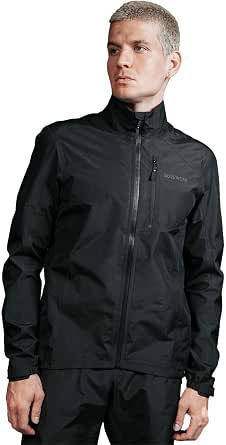 | Best for Road-Spray Coverage | Membrane: GORE-TEX ePE | Face fabric: 100% recycled polyester | Fit features: Adjustable cuffs and hem | VIEW LATEST PRICE | See Our Full Breakdown |
| DAKINE Men’s Stoker GORE-TEX 3L Waterproof Snow Jacket |  | Best for Backcountry Snow Days | Construction: 3-layer GORE-TEX | Fabric: 100% polyester | Face and backer: 100% recycled | VIEW LATEST PRICE | See Our Full Breakdown |
| Arc’teryx Beta Jacket for Men, Black, X-Large |  | Best Lightweight Hiking Shell | Fabric: 3-layer 80D GORE-TEX ePE | Backer: C-KNIT | DWR: FC0 DWR | VIEW LATEST PRICE | See Our Full Breakdown |
| Marmot Waypoint GORE-TEX Jacket |  | Best for Everyday Wet-Weather Wear | Fabric: 100% post-consumer recycled polyester | Lining: DriClime moisture-wicking lining | Seams: 100% seam-taped | VIEW LATEST PRICE | See Our Full Breakdown |
| Burton Men’s Reserve GORE-TEX 2L Jacket |  | Best for Resort Snowboarding | Construction: Two-layer GORE-TEX shell | Fabric: 100% polyester | Lining: Nylon taffeta | VIEW LATEST PRICE | See Our Full Breakdown |
| Arc’teryx Beta Jacket Women’s |  | Best for Women’s Trail Mobility | Material: 3-layer 80D GORE-TEX ePE with C-KNIT backer | Face fabric: Plain-weave recycled nylon | Waterproofing: GORE-TEX | VIEW LATEST PRICE | See Our Full Breakdown |
| Marmot Men’s PreCip Eco Waterproof Rain Jacket |  | Best Lightweight Packable Rain Jacket | Brand: Marmot | Shell: 100% pre-consumer recycled nylon ripstop | Lining: 100% post-consumer recycled polyester mesh | VIEW LATEST PRICE | See Our Full Breakdown |
| Gore-Tex jacket | Care | Fabric |
|---|---|---|
| Arc’teryx Beta AR Men’s Jacket | Machine wash | — |
| Rab Men’s Namche Gore-Tex Jack | Machine wash | 100% nylon |
| GOREWEAR Lupra 2.0 Men’s GORE- | Machine wash | — |
| The North Face Men’s Antora Wa | Machine wash | 100% recycled nylon ripstop |
| GOREWEAR Glidewheel GORE-TEX C | Machine wash | — |
| DAKINE Men’s Stoker GORE-TEX 3 | — | 100% polyester |
| Arc’teryx Beta Jacket for Men | Machine wash | 3-layer 80D GORE-TEX ePE |
| Marmot Waypoint GORE-TEX Jacke | Machine wash | 100% post-consumer recycled polyester |
| Burton Men’s Reserve GORE-TEX | Hand wash only | 100% polyester |
| Arc’teryx Beta Jacket Women’s | Machine wash and tumble dry | — |
| Marmot Men’s PreCip Eco Waterp | — | — |
More Details on Our Top Picks
Arc’teryx Beta AR Men’s Jacket
The Beta AR is the most alpine-focused pick here, built around a rugged GORE-TEX PRO shell for repeated exposure to rough weather and abrasive terrain. Its helmet-compatible DropHood, WaterTight zippers, and RECCO reflector suit climbers and serious hikers who need more than a lightweight emergency layer. Compared with the Rab Namche, this jacket puts greater emphasis on durable technical protection and rescue-oriented details, while the Namche is positioned as a lighter, more packable shell for general hiking. That added toughness and specialized design come with tradeoffs: this is a more technical choice than most everyday users need, and the specialized fit may not work equally well for every body shape or layering preference. I’d choose it for demanding alpine use, not casual walks where a simpler rain shell is enough.
Pros:- Durable 3-layer GORE-TEX PRO construction suits demanding outdoor conditions
- Helmet-compatible DropHood accommodates climbing and alpine helmets
- RECCO reflector and WaterTight zippers add useful technical details
- Fair Trade Certified manufacturing
Cons:- Technical construction may be excessive for everyday rain use
- Specialized fit may require careful sizing, especially over layers
Best for: Alpine hikers and climbers who want a durable GORE-TEX PRO shell with a helmet-compatible hood and technical safety features
Not ideal for: Casual walkers and buyers seeking a straightforward, lightweight rain layer; its specialized build and fit may be more than they need
- Material:100d 3L GORE-TEX PRO ePE, recycled plain weave
- Fabric weight:135 gsm
- Water repellency:FC0 DWR
- Hood:Helmet-compatible DropHood
- Additional features:RECCO reflector and WaterTight zippers
- Care:Machine wash
- Certification:Fair Trade Certified
- Manufacturing origin:Vietnam
Our verdict“Choose the Beta AR for demanding alpine outings where durable GORE-TEX PRO construction matters more than a lightweight, general-purpose fit.”
Rab Men’s Namche Gore-Tex Jacket
The Rab Namche is the most adaptable hiking shell in this group for buyers who want technical waterproof protection without the more alpine-specific feel of the Arc’teryx Beta AR. Its 3-layer GORE-TEX Pro construction is paired with a regular fit, articulated movement, underarm ventilation zippers, and adjustable hood and hem, so it can serve on active hikes as well as wet-weather days around town. The pit zips are especially useful when climbing uphill, where opening vents can help manage heat without removing the shell. Compared with the Beta AR, the Namche is described as lighter and more packable, but it gives up some of that jacket’s explicitly rugged, climbing-oriented feature set. It is still a technical shell rather than a minimalist emergency layer, and machine washing requires care to maintain waterproofing.
Pros:- 3-layer GORE-TEX Pro fabric provides waterproof and breathable protection
- Underarm ventilation zippers help release heat during strenuous hiking
- Articulated fit supports freedom of movement
- Adjustable wired hood and cinch-cords allow a customized fit
Cons:- Less specifically equipped for alpine climbing than the Arc’teryx Beta AR
- Waterproof performance calls for attentive care during machine washing
Best for: Hikers who want a packable 3-layer GORE-TEX shell with ventilation and a regular fit for active use
Not ideal for: Alpine climbers seeking the Beta AR’s helmet-compatible DropHood and RECCO detail, or buyers who want a shell with minimal care needs
- Fabric:100% nylon
- Shell technology:3-layer GORE-TEX Pro
- Zippers:YKK AquaGuard
- Ventilation:Underarm ventilation zippers
- Fit:Regular
- Adjustments:Wired hood and cinch-cords
- Care:Machine wash
- Origin:Made in the USA or imported
Our verdict“Pick the Namche if you want a versatile hiking shell with pit-zip ventilation and a more packable feel than the alpine-oriented Beta AR.”
GOREWEAR Lupra 2.0 Men’s GORE-TEX Cycling Jacket
The Lupra 2.0 is the clearest cycling-specific choice here: its lightweight, packable GORE-TEX ePE shell includes an over-helmet hood and reflective details for riders who keep moving through wet weather. The two-way zipper and adjustable cuffs and hem help tailor coverage on the bike, while the recycled nylon face fabric keeps the design focused on riding rather than alpine durability. Compared with the GOREWEAR Glidewheel, the Lupra 2.0’s over-helmet hood and reflective details make it the more compelling option for riders who want extra head coverage and visibility. The Glidewheel, by contrast, lists cycling-oriented storage including a waterproof back stow pocket. Neither is a substitute for the tougher, climbing-focused Arc’teryx Beta AR; choose this jacket for mobility and packability, not abrasion-heavy mountain use. Its cycling cut may also be less appealing off the bike.
Pros:- Lightweight, packable GORE-TEX ePE laminate suits changing riding conditions
- Over-helmet hood provides coverage without removing a cycling helmet
- Reflective details support visibility in low light
- Two-way zipper and adjustable cuffs and hem let riders tailor the fit
Cons:- Cycling-specific cut may be less convenient for off-bike everyday use
- Offers less of an alpine-oriented feature set than the Arc’teryx Beta AR
- Machine washing requires care to maintain the shell
Best for: Road and off-road cyclists who want a packable waterproof shell with an over-helmet hood and reflective details
Not ideal for: Hikers and climbers who need a rugged general-purpose alpine shell, or riders who prefer a jacket shaped for everyday wear
- Membrane:GORE-TEX ePE
- Face fabric:100% recycled nylon
- Hood:Over-helmet hood with reinforced rim
- Closure:Two-way zipper
- Adjustments:Hook-and-loop cuffs and drawcord hem
- Features:Waterproof, windproof, breathable, and packable
- Visibility:Reflective details
- Care:Machine wash
Our verdict“Choose the Lupra 2.0 if cycling-specific coverage, packability, and an over-helmet hood matter more than an all-purpose jacket design.”
The North Face Men’s Antora Waterproof Jacket
The North Face Antora earns its place as the everyday rain option, but it is not a GORE-TEX jacket: its seam-sealed DRYVENT 2L shell uses a non-PFC DWR finish instead. That distinction matters for a roundup focused on GORE-TEX, so I’d treat it as a lower-complexity alternative for commuting, errands, and casual walks—not as a direct technical rival to the Rab Namche or Arc’teryx Beta AR. The standard fit, adjustable hood, storm flap, and hem cinch cord make it practical over mid-layers, while recycled nylon ripstop adds a useful material choice. In return, it lacks the GORE-TEX construction that defines the other technical picks here, and the product information does not specify the same specialist ventilation or climbing details. Choose it for simple rain coverage, not demanding alpine use.
Pros:- Seam-sealed DRYVENT 2L shell is designed for waterproof protection
- Standard fit and hem cinch cord allow room and adjustment over mid-layers
- Adjustable hood, storm flap, and elastic cuffs help limit weather exposure
- Made with 100% recycled nylon ripstop and a non-PFC DWR finish
Cons:- Uses DRYVENT rather than GORE-TEX, so it does not meet a strict GORE-TEX requirement
- Less specialized for strenuous hiking and alpine use than the Rab Namche or Arc’teryx Beta AR
Best for: Commuters and casual walkers who want a straightforward rain jacket with room for a mid-layer and prefer a non-GORE-TEX shell
Not ideal for: Buyers specifically seeking GORE-TEX performance, or hikers and climbers who need a technical shell such as the Rab Namche or Arc’teryx Beta AR
- Fabric:100% recycled nylon ripstop
- Shell technology:Seam-sealed DRYVENT 2L
- Finish:Non-PFC durable water-repellent finish
- Fit:Standard
- Hood:Adjustable 3-piece hood
- Weather details:Storm flap with hook-and-loop closures; encased-elastic cuffs
- Pockets and hem:Zip hand pockets and internal hem cinch cord
- Care:Machine wash
Our verdict“Pick the Antora for everyday rain coverage and easy layering only if you are willing to choose DRYVENT instead of GORE-TEX.”
GOREWEAR Glidewheel GORE-TEX Cycling Jacket – Men’s
The Glidewheel is a focused cycling shell for riders who value coverage against road spray and want useful storage built into a lightweight, packable design. Its dropped tail shields the lower back when leaning over the bars, while adjustable cuffs and hem help keep the fit settled. Compared with the GOREWEAR Lupra 2.0, the Glidewheel’s strongest distinction is its listed Napoleon zip pocket and waterproof back stow pocket; the Lupra instead calls out an over-helmet hood and reflective details. Both use GORE-TEX ePE and suit wet-weather riding, but this jacket’s product details do not specify the Lupra’s helmet hood feature. Neither is as appropriate for alpine climbing as the Arc’teryx Beta AR. Choose the Glidewheel for cycling-specific coverage and pocket access, while accepting that its use is less versatile away from the bike.
Pros:- GORE-TEX ePE membrane provides waterproof and windproof protection
- Dropped tail helps shield the lower back from road spray
- Napoleon and waterproof back stow pockets provide cycling-focused storage
- Adjustable cuffs and hem support a more secure fit on the bike
Cons:- Cycling-specific cut and details make it less versatile as an everyday shell
- Product details do not specify an over-helmet hood like the GOREWEAR Lupra 2.0
- Machine washing requires care to maintain the shell
Best for: Road cyclists who want a packable GORE-TEX shell with a dropped tail and dedicated pockets for essentials
Not ideal for: Alpine hikers and climbers, or cyclists who prioritize an over-helmet hood like the one specified on the GOREWEAR Lupra 2.0
- Membrane:GORE-TEX ePE
- Face fabric:100% recycled polyester
- Fit features:Adjustable cuffs and hem
- Pockets:Napoleon zip pocket and waterproof back stow pocket
- Cycling detail:Dropped tail
- Features:Lightweight and packable
- Care:Machine wash
- Origin:Made in the USA or imported
Our verdict“Choose the Glidewheel for road-focused GORE-TEX coverage and cycling storage, especially if its dropped tail matters more to you than the Lupra 2.0’s over-helmet hood.”
DAKINE Men’s Stoker GORE-TEX 3L Waterproof Snow Jacket
The Stoker is the most snow-specific option in this group: its 3-layer GORE-TEX construction, powder skirt, sleeve pass pocket, and integrated RECCO technology are aimed squarely at ski and snowboard use. Underarm vents help release heat during active runs, while the anti-fog vent addresses a problem that a general hiking shell such as the Arc’teryx Beta Jacket does not specifically target. Recycled face and backer fabrics and a PFC-free DWR finish add material credentials without changing that clear use case. The tradeoff is versatility: snow features add little for hikers or commuters, and the supplied details do not specify insulation, so this is a shell rather than a warm jacket. I’d choose it for resort and snow outings, not as my one shell for every season.
Pros:- Three-layer GORE-TEX construction with fully taped seams for wet, snowy conditions
- Powder skirt and sleeve pass pocket serve specific needs on the mountain
- Underarm and anti-fog vents provide ways to manage heat and goggle fog
- Recycled face and backer fabrics with a PFC-free DWR finish
Cons:- Snow-oriented features make it less useful for general hiking and daily wear
- No insulation is listed, so warmth depends on layering
- The supplied details do not specify weight or packability
Best for: Skiers and snowboarders who want a waterproof shell with a powder skirt, pass pocket, ventilation, and integrated RECCO technology.
Not ideal for: Hikers and everyday commuters seeking a simple, lightweight rain shell without snow-specific features.
- Construction:3-layer GORE-TEX
- Fabric:100% polyester
- Face and backer:100% recycled
- Water-repellent finish:PFC-free DWR
- Seams:Fully taped
- Zippers:YKK AquaGuard
- Snow features:Powder skirt and sleeve pass pocket
- Additional technology:Integrated RECCO search technology
Our verdict“Choose the Stoker for skiing and snowboarding features; pick the Arc’teryx Beta instead if you need a more versatile hiking shell.”
Arc’teryx Beta Jacket for Men, Black, X-Large
The men’s Arc’teryx Beta earns its place as a hiking-focused shell by pairing 3-layer GORE-TEX ePE with a C-KNIT backer in a lightweight, packable design. That combination suits changing weather on trails, trekking routes, and backpacking trips where a shell may spend as much time packed away as it does in use. Its adjustable low-profile stormhood is shaped to preserve visibility, a practical advantage when scanning uneven terrain. Compared with the DAKINE Stoker, the Beta leaves out the powder skirt and other ski-specific details in favor of a more adaptable outdoor layer. That makes it less specialized for snow sports, and the listing does not provide features such as vents or pocket layout for direct comparison. Buyers should also note this listing is for a specific black, X-Large version.
Pros:- Three-layer 80D GORE-TEX ePE fabric provides waterproof and windproof protection
- C-KNIT backer is designed to add comfort against layers
- Lightweight, packable design suits trips where carrying space matters
- Adjustable low-profile stormhood is designed to preserve visibility
Cons:- Lacks the Stoker’s listed powder skirt and ski-pass pocket
- The supplied product details do not specify vents or pocket configuration
- This listing identifies one color and size, limiting its fit and style choice
Best for: Hikers, trekkers, and backpackers seeking a lightweight men’s GORE-TEX shell for variable weather and a range of outdoor routes.
Not ideal for: Skiers who want a powder skirt and snow-specific storage, or shoppers who need a different listed size.
- Fabric:3-layer 80D GORE-TEX ePE
- Backer:C-KNIT
- DWR:FC0 DWR
- Hood:Adjustable low-profile stormhood
- Color:Black
- Size:X-Large
- Care:Machine wash
- Manufacturing origin:Indonesia
Our verdict“Pick this Beta for a packable men’s hiking and trekking shell, but choose the DAKINE Stoker for dedicated snow features.”
Marmot Waypoint GORE-TEX Jacket
The Marmot Waypoint is the everyday-oriented pick here, described for hikes, commutes, and routine wet-weather use rather than a single demanding sport. Its DriClime moisture-wicking lining gives it a comfort feature not listed for the lighter hiking-focused Arc’teryx Beta, while fully taped seams and GORE-TEX protection address rain exposure. The fabric is 100% post-consumer recycled polyester, and the C0 DWR treatment provides a stated water-repellent finish. The tradeoff is limited detail: the supplied specs do not identify the GORE-TEX construction, hood adjustment, vents, pockets, or packability. That makes it harder to judge for sustained high-output trips than the Beta, whose three-layer fabric is specified. I’d favor the Waypoint for mixed daily use, but compare the fit and feature set carefully if trail performance is the priority.
Pros:- GORE-TEX protection is suited to wet-weather use
- DriClime lining is designed to wick moisture for everyday comfort
- Fabric is made from 100% post-consumer recycled polyester
- Fully seam-taped construction and C0 DWR treatment
Cons:- The supplied specs do not identify the GORE-TEX layer construction
- Hood, pocket, ventilation, and packability details are not provided
- Less clearly specified for demanding hiking than the Arc’teryx Beta
Best for: Commuters and casual hikers who want a GORE-TEX rain jacket with a moisture-wicking lining and recycled fabric.
Not ideal for: Backpackers needing clearly specified three-layer construction, ventilation, or detailed hood and storage features.
- Fabric:100% post-consumer recycled polyester
- Lining:DriClime moisture-wicking lining
- Seams:100% seam-taped
- Water-repellent treatment:C0 DWR
- Weather protection:GORE-TEX
- Care:Machine wash
- Origin:Imported
Our verdict“Choose the Waypoint for everyday wet-weather wear and a moisture-wicking lining, while the Arc’teryx Beta is the clearer choice for specified trail use.”
Burton Men’s Reserve GORE-TEX 2L Jacket
The Burton Reserve is a snowboarding shell built around practical riding details: a helmet-compatible hood, mesh-lined pit zips, adjustable cuffs and hem, and pockets for on-mountain essentials. Its two-layer GORE-TEX construction pairs a shell with nylon taffeta lining, while fully taped seams and water-resistant YKK zippers help protect against snow and wind. Compared with the three-layer DAKINE Stoker, the Reserve is a more clearly specified regular-fit option with listed adjustment points, but it does not list the Stoker’s RECCO technology or anti-fog vent. Neither listing specifies insulation, so riders should plan their own layers for warmth. The care requirement is another practical drawback: this jacket is hand-wash only, unlike the machine-washable Stoker. It makes most sense for riders who value its riding fit and storage details over easier care.
Pros:- Helmet-compatible adjustable hood suits riding with a helmet
- Mesh-lined pit zip vents offer a way to release heat
- Fully taped seams and water-resistant YKK zippers protect against wet conditions
- Adjustable cuffs and hem let riders tune coverage over layers
Cons:- Hand-wash-only care is less convenient than the machine-washable DAKINE Stoker
- Two-layer construction may be less appealing to buyers seeking a three-layer shell
- No insulation is listed, so warmth requires separate layers
Best for: Snowboarders who want a regular-fit GORE-TEX shell with a helmet-compatible hood, pit vents, and pockets for riding essentials.
Not ideal for: Buyers seeking machine-washable care, a listed three-layer build, or integrated RECCO technology.
- Construction:Two-layer GORE-TEX shell
- Fabric:100% polyester
- Lining:Nylon taffeta
- Fit:Regular
- Seams:Fully taped
- Hood:Attached, adjustable, helmet-compatible
- Vents:Mesh-lined pit zip vents
- Care:Hand wash only
Our verdict“Choose the Reserve for its snowboard-focused hood, vents, and fit adjustments, but opt for the Stoker if you want three-layer construction and RECCO.”
Arc’teryx Beta Jacket Women’s
This women’s Arc’teryx Beta puts movement and a close outdoor fit at the center of its design. The 3-layer 80D GORE-TEX ePE fabric uses a C-KNIT backer, while no-lift gusseted underarms are intended to preserve reach when hiking with a pack or using trekking poles. WaterTight zippers and taped seams add weather protection; the adjustable low-profile hood keeps the profile streamlined. Compared with the men’s Beta in this roundup, this version specifically lists anatomical shaping and gusseted underarms, making those details its clearest distinction rather than a separate snow-sport feature set like the DAKINE Stoker. It is still a shell, not an insulated jacket, and the supplied details do not include weight or pocket layout. Choose it for active trail use and a shaped fit; skip it if you want a warmer, more fully detailed everyday jacket.
Pros:- Three-layer GORE-TEX ePE fabric with C-KNIT backer
- Gusseted underarms are designed to support movement without the jacket riding up
- WaterTight zippers and taped seams add weather protection
- bluesign certified materials
Cons:- No insulation is listed, so cold-weather comfort depends on layering
- The supplied details do not specify weight or pocket configuration
- Less suited to snow sports than the DAKINE Stoker, which lists a powder skirt and pass pocket
Best for: Women hikers and trekkers who want a breathable GORE-TEX shell with a shaped fit and freedom of movement through the arms.
Not ideal for: Buyers seeking built-in warmth, ski-specific features, or detailed information on pocket layout and jacket weight.
- Material:3-layer 80D GORE-TEX ePE with C-KNIT backer
- Face fabric:Plain-weave recycled nylon
- Waterproofing:GORE-TEX
- DWR:FC0 DWR
- Zippers:WaterTight zippers
- Movement feature:No-lift gusseted underarms
- Certification:bluesign certified
- Care:Machine wash and tumble dry
Our verdict“Choose this Beta for a women’s hiking shell with a movement-focused fit; pick the Stoker instead for ski-specific coverage and storage.”
Marmot Men’s PreCip Eco Waterproof Rain Jacket
The PreCip Eco earns its place for buyers who want a lightweight shell that packs into its own pocket, rather than a technical Gore-Tex layer for demanding alpine use. Its NanoPro membrane, fully taped seams, and pit zips offer practical wet-weather protection and ventilation for hikes, commutes, and travel. Compared with the Arc’teryx Beta Jacket, it is less focused on rugged mountain use, but its 305 g weight and stowability make it easier to carry as a just-in-case layer. The tradeoff is a non-stretch recycled nylon shell and limited warmth: it blocks rain, but it is not an insulating jacket for cold conditions. Also, NanoPro is not Gore-Tex, so this is a useful rain-shell alternative rather than a match for shoppers who specifically require Gore-Tex construction.
Pros:- Lightweight at 305 g and stows into its own pocket
- NanoPro membrane and fully taped seams provide waterproof protection
- Pit zips and adjustable cuffs help manage airflow and fit
- Recycled nylon shell and PFC-free DWR
Cons:- Uses Marmot NanoPro rather than Gore-Tex
- No stretch in the shell
- Provides little insulation for cold weather
Best for: Hikers, commuters, and travelers seeking a light, packable rain shell for mild, wet weather.
Not ideal for: Buyers who specifically require Gore-Tex, need insulation for cold conditions, or want a stretch shell for unrestricted movement.
- Brand:Marmot
- Shell:100% pre-consumer recycled nylon ripstop
- Lining:100% post-consumer recycled polyester mesh
- Waterproofing:NanoPro membrane; fully seam-taped construction
- Water-repellent treatment:PFC-free DWR
- Weight:305 g
- Pockets:3 zippered pockets
- Ventilation and fit:Pit zips, adjustable drawcord hem, and Velcro adjustable cuffs
- Packability and care:Stows into its own pocket; machine washable
Our verdict“Choose the PreCip Eco for a compact, practical rain shell, but pick a Gore-Tex model such as the Arc’teryx Beta Jacket if Gore-Tex construction is a requirement.”
How We Picked
I ranked these jackets by how well their design matches the use implied by their construction: mountain travel, hiking, cycling, snow sports, or everyday rain. I weighed waterproof protection and shell durability alongside mobility, layering room, ventilation potential, and how specialized the cut is. A jacket earned a higher place when it offered a useful balance for a wider range of conditions; sport-specific options rank for the riders or snow users they serve, rather than as universal shells.
I also separated Gore-Tex models from waterproof alternatives instead of treating the materials as interchangeable. That distinction matters to shoppers searching specifically for Gore-Tex, even when a non-Gore-Tex jacket may suit a simpler rainwear need. The ordering favors versatility and demanding-weather capability near the top, then places specialized designs and more accessible rain shells where their tradeoffs are clearest. Fit, intended activity, and the actual product version should be checked before buying, since names and specifications can vary by season.
| Gore-Tex jacket | Care |
|---|---|
| Arc’teryx Beta AR Men’s Jacket | Machine wash |
| Rab Men’s Namche Gore-Tex Jack | Machine wash |
| GOREWEAR Lupra 2.0 Men’s GORE- | Machine wash |
| The North Face Men’s Antora Wa | Machine wash |
| GOREWEAR Glidewheel GORE-TEX C | Machine wash |
| DAKINE Men’s Stoker GORE-TEX 3 | — |
| Arc’teryx Beta Jacket for Men | Machine wash |
| Marmot Waypoint GORE-TEX Jacke | Machine wash |
| Burton Men’s Reserve GORE-TEX | Hand wash only |
| Arc’teryx Beta Jacket Women’s | Machine wash and tumble dry |
| Marmot Men’s PreCip Eco Waterp | — |
Factors to Consider When Choosing Best Gore-Tex Jackets
Before choosing a shell, match its design to the weather and activity you face most often. These broader questions can prevent paying for mountain-ready construction you rarely use—or choosing a light rain layer that cannot handle your regular conditions.
Choose a Shell for Your Actual Exposure
Start with how long you are outside and how exposed you will be, not with the most impressive-sounding membrane label. A short walk between buildings puts different demands on a jacket than hours above treeline or a full day on a wet lift. More protective construction can bring added weight, stiffness, or cost, so a rugged shell may be a poor match for occasional light rain. At the other extreme, a packable rain jacket can feel outmatched by sustained severe weather or abrasion from a heavy pack. If your outings vary, favor a shell versatile enough for the roughest conditions you encounter regularly, not a rare worst-case scenario. Check the manufacturer’s care guidance too, since dirt and worn water-repellent finishes can affect how the outer fabric handles rain.
Understand What the Layer Construction Means
Shell construction affects how a jacket feels, packs, and stands up to repeated use. A more robust multi-layer build is often better suited to frequent hard wear, while lighter constructions can be easier to carry and more comfortable for lower-intensity use. Do not assume that every Gore-Tex garment has the same durability or hand feel: fabric choice, face material, patterning, and intended sport all matter. Compare the complete jacket, not just the membrane name, and look for useful details such as hood adjustment, pocket placement, and cuff design. A feature that works with a climbing harness may be inconvenient under a backpack hip belt or cycling pack. Pick construction for your routine rather than treating the most technical design as automatically best.
Get the Fit Right for Layers and Movement
A shell should let you move without pulling tight across the shoulders, but excess fabric can flap, bunch, or obstruct sport-specific gear. Try it over the layers you expect to wear, especially if winter insulation or a fleece will sit underneath. Hikers may want room for layers and a hood that remains manageable with a pack; cyclists often benefit from a cut shaped for a forward-leaning position. Snow users need enough space for insulation and movement without creating gaps where snow can enter. Check sleeve length with arms raised and confirm that hem and cuff adjustments work with gloves or other equipment. When buying online, compare the brand’s garment measurements with a jacket you already own rather than relying on size labels alone.
Balance Waterproofing With Heat and Ventilation
A shell can keep rain out while still feeling clammy if sweat builds up faster than it can escape. Activity intensity, humidity, temperature, and layering all affect comfort, so no waterproof membrane removes the need to manage heat. For hard efforts such as cycling uphill, prioritize a cut and venting options that let you regulate temperature without exposing yourself unnecessarily to rain. For slower, colder outings, a more protective build and room for insulation may matter more than minimizing weight. A common mistake is choosing only by waterproof claims while ignoring exertion level. Think about how you will open vents, adjust layers, or remove the shell during changing conditions.
Decide Whether Gore-Tex Is a Requirement
If you searched specifically for Gore-Tex, check the exact model name and current product specifications before purchasing. This roundup includes waterproof jackets that are not Gore-Tex, so their presence should be read as an alternative for buyers whose main need is rain protection rather than a specific membrane. Other waterproof technologies can suit everyday use, but they are not interchangeable if you have a material preference or need to meet a particular gear requirement. Product names can also cover different versions across seasons, making the exact listing worth checking. Compare the jacket’s intended activity, construction, and care needs alongside the membrane. This keeps a practical rainwear option from being mistaken for a Gore-Tex shell.
Pay for Durability or Specialization Only When It Helps
Higher-end shells make the most sense when frequent exposure, rough use, or a specialized activity puts their construction to work. A technical mountain jacket is harder to justify if it mostly stays in a daypack during brief showers. Likewise, cycling and snow shells can solve fit and movement problems that a general hiking jacket may not, but that specialization offers less value outside those sports. Set your priorities before comparing models: weather severity, days of use, layering needs, and whether one jacket must cover several activities. If your needs are modest, a simpler waterproof jacket may be the more sensible choice even if it lacks Gore-Tex. Paying for durability is most useful when it extends the working life or capability you actually need.
Frequently Asked Questions
Are all 11 jackets in this roundup Gore-Tex jackets?
No. The Arc’teryx, Rab, GOREWEAR, Dakine, Burton, and Marmot Waypoint models are identified as Gore-Tex options in their product names, while the North Face Antora and Marmot PreCip Eco are waterproof alternatives rather than Gore-Tex models. That distinction matters if your search is tied to a particular membrane, workplace requirement, or gear preference. If you mainly need rain protection, those alternatives may still be relevant, but check the current product specifications before purchasing. Do not rely on a general “waterproof” description as proof that a jacket uses Gore-Tex.
Can I use a ski or cycling Gore-Tex jacket for hiking?
You can, but the fit and features may not suit hiking as well as a general-purpose shell. Cycling jackets are shaped around riding posture, and snow jackets often prioritize layering and coverage for cold conditions. Those design choices can feel awkward on a walking trail or under a hiking pack. For occasional crossover use, check mobility, hood adjustment, hem length, and whether pack straps interfere with pockets or vents. If hiking is your main activity, a hiking-oriented shell is usually the more straightforward match.
Should I choose the Arc’teryx Beta AR or the standard Beta?
Choose based on how demanding your outings are and how much ruggedness you need from a shell. The Beta AR is the more mountain-oriented pick in this lineup, making more sense for frequent exposure and harder use. The standard Beta is a simpler choice if you want a versatile shell without buying specifically for the tougher end of the range. Neither is automatically the better option for every buyer: added capability can mean more jacket than a casual user needs. Compare the current versions’ fit and specifications, since details can change between seasons.
Is a Gore-Tex jacket a good choice for everyday rain?
It can be, but a technical shell may be unnecessary if your usual exposure is brief and your activity is low intensity. Everyday buyers should weigh comfort, weight, pocket access, and ease of care alongside weather protection. A simpler waterproof jacket such as the Antora or PreCip Eco may be a better fit if Gore-Tex is not a requirement. For frequent long walks in wet conditions, a more capable shell can make sense, especially if you also use it outdoors. Choose for the conditions you encounter repeatedly rather than for the most extreme conditions you might face once.
How should I choose between a Gore-Tex hiking shell and a snow jacket?
Think about what needs to fit beneath the jacket and what the shell must do during movement. Hiking shells tend to serve broader outdoor use, while snow jackets are designed around colder conditions, insulation layers, and coverage for snow activities. A snow jacket may feel bulky for summer hiking, while a lighter hiking shell may not give you the fit or coverage you want on the slopes. Try the jacket over the layers you will actually wear and check how its hem, cuffs, hood, and pockets work with your gear. If you take part in both activities often, a specialized jacket for each may serve better than forcing one shell to do both jobs.
Conclusion
For the broadest mountain use, I recommend the Arc’teryx Beta AR as best overall; buyers who want a hiking-focused option should compare it with the Rab Namche. The Marmot PreCip Eco is the best value-minded rainwear pick for shoppers who do not require Gore-Tex, while the Arc’teryx Beta AR is the best premium choice for demanding conditions and frequent use. Beginners who want a straightforward everyday rain layer can start with the North Face Antora, keeping in mind that it is not a Gore-Tex model. For specific needs, choose the GOREWEAR Lupra 2.0 or Glidewheel for cycling, or the Dakine Stoker and Burton Reserve for snow use. If Gore-Tex itself is non-negotiable, confirm the exact product version and material before ordering.