

Stargazing deserves a bigger place in your outdoor trip plans because it turns ordinary outings into unforgettable moments that connect you with the universe. It offers breathtaking views of stars, planets, and the Milky Way, inspiring awe and reflection. By choosing dark sky locations and timing your trips around celestial events, you’ll enhance your experience and see beyond the usual hikes or camping. Keep exploring to discover how you can make the most of these celestial adventures.

Get travel and outdoor gear delivered free with Prime
- Fast, free delivery on millions of items
- Prime Video, Amazon Music and more included
- Member-only deals all year
Key Takeaways
- Stargazing transforms outdoor trips into memorable, awe-inspiring experiences that deepen our connection to the universe.
- Incorporating celestial events enhances trip significance, offering unique sights like meteor showers and planetary alignments.
- Choosing remote, dark sky locations minimizes light pollution, improving visibility and the quality of stargazing experiences.
- Planning for optimal timing and weather conditions ensures clearer views of celestial phenomena.
- Promoting mindfulness and wonder, stargazing enriches outdoor adventures beyond physical activity alone.
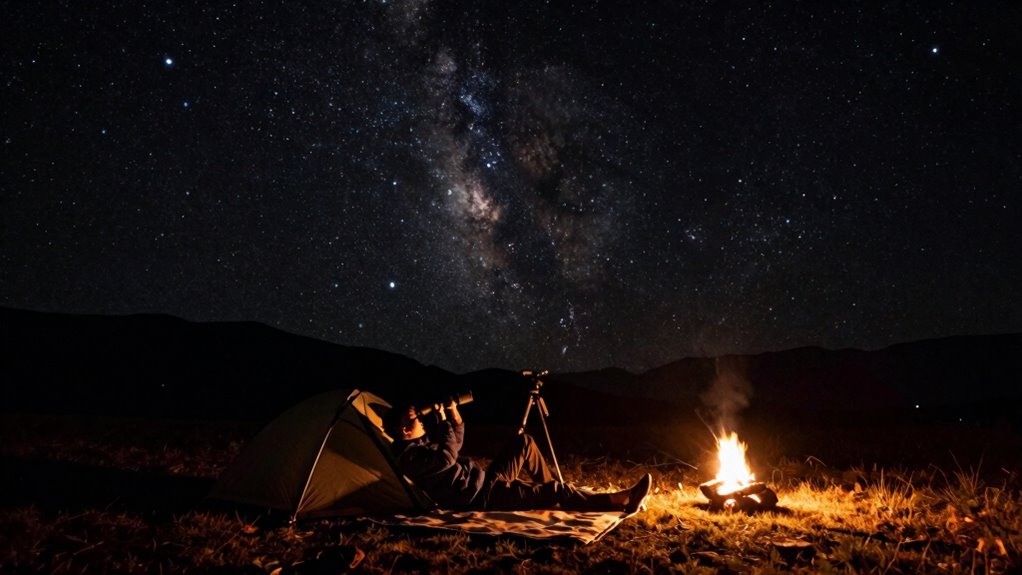
There’s nothing quite like the experience of stargazing during outdoor trips, where the absence of city lights reveals a breathtaking tapestry of stars. Yet, many outdoor enthusiasts overlook this activity, often prioritizing hiking, camping, or other adventures, leaving stargazing as an afterthought. The truth is, incorporating it into your plans can transform your trip into something truly unforgettable. The key is to pick the right location and time, especially considering urban light pollution, which can make seeing the stars almost impossible in populated areas. When you travel away from city centers, the night sky opens up, revealing constellations, planets, and even the Milky Way in stunning detail. Planning around celestial event timing—like meteor showers, lunar eclipses, or planetary alignments—can make your stargazing experience even more spectacular. These events are often predictable, so checking astronomical calendars before your trip helps you maximize your chances of witnessing something extraordinary.
Many outdoor trips are planned without considering the impact of urban light pollution, which dims the night sky and hides celestial wonders. Traveling to remote areas or designated dark sky parks guarantees you’re away from artificial lighting that washes out the stars. It’s worth researching the best spots beforehand, so you don’t waste precious night hours in subpar locations. When you plan your trip around specific celestial events, you give yourself the opportunity to see rare phenomena that aren’t visible every night. For example, a meteor shower peaking during your visit can turn a simple night under the stars into a memorable event. Knowing the timing also helps you avoid cloudy nights or moonlit evenings that could obscure your view, allowing you to optimize your chances of clear, dark skies. Additionally, understanding urban light pollution and its effects on visibility can help you make more informed decisions when selecting your viewing spots. Being aware of light pollution maps can further enhance your planning process, ensuring you pick the best possible location for optimal viewing.
Furthermore, learning about dark sky certifications can guide you toward locations that are officially recognized for their excellent stargazing conditions, making your experience even more fulfilling. It’s also beneficial to consider the moon phase, as a new moon provides darker skies and improves your chances of seeing fainter celestial objects. Incorporating stargazing into your outdoor trips isn’t just about the visual spectacle; it’s about connection and wonder. It encourages a slower pace, giving you time to pause, breathe, and appreciate the universe’s vastness. When you account for urban light pollution and celestial event timing in your planning, you’re setting yourself up for a richer, more immersive experience. It’s easy to overlook this aspect, but doing so means missing out on some of the most awe-inspiring moments nature has to offer. So next time you plan an outdoor adventure, make room for stargazing. Your future self will thank you for the chance to witness the night sky in its full glory, unspoiled by city lights.
As an affiliate, we earn on qualifying purchases.
Frequently Asked Questions
What Equipment Is Essential for Beginner Stargazing?
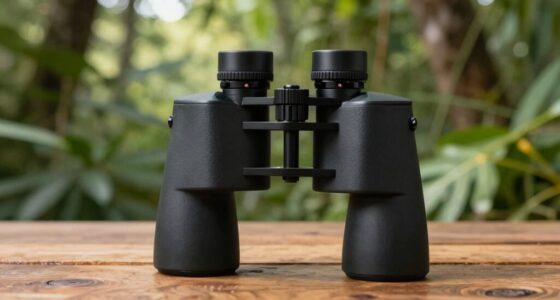
For beginner stargazing, you need a simple telescope, like a refractor or a beginner-friendly dobsonian, to get clear views of the sky. Bring along star chart apps to help identify constellations and planets easily. Don’t forget a red flashlight to preserve night vision, warm clothing, and a comfortable chair. These essentials make your experience enjoyable and help you learn the night sky more effectively.
How Do Weather Conditions Affect Stargazing Visibility?
Weather conditions are like the sky’s mood, shaping your stargazing experience. Clear nights with high atmospheric clarity let stars shine brightly, while clouds and humidity hide them away. Light pollution dims the celestial scene, making it harder to see distant stars. To enjoy the night sky, pick nights with minimal light pollution and stable weather, ensuring your stargazing journey isn’t clouded by uncertainty or haze.
Are There Specific Times of Year Best for Stargazing?
The best times for stargazing happen during new moon phases when the sky is darkest, free from the bright glow of the moon. You should also pick nights with minimal light pollution, typically away from city lights, to get the clearest view of stars. Seasons like late fall and winter often offer crisp, clear skies, making them ideal for observing celestial wonders. Timing your trip around these conditions will enhance your experience considerably.
Can Stargazing Be Enjoyed in Urban Areas?
Stargazing in urban areas is challenging but still possible if you look past the city skyline’s glow. Urban light pollution can obscure stars, but finding parks or rooftops away from bright lights helps. While you won’t see the same brilliance as in rural settings, city night skies reveal interesting sights like planets and bright stars. With patience and a bit of effort, you can enjoy a starry view even amid city lights.
How Do I Find the Best Stargazing Locations Nearby?
You can find the best stargazing locations nearby by searching for dark sky parks or reserves in your area. Check local astronomy clubs or online maps that highlight dark sky spots, which are away from city lights and offer clearer views of the night sky. Visit local parks or rural areas known for minimal light pollution. Planning around new moon nights will also give you the best stargazing experience.
Conclusion
Next time you plan an outdoor trip, consider leaving a little extra room for the night sky’s quiet poetry. As darkness softly drapes over the landscape, the stars whisper stories of distant worlds and ancient light, inviting you to pause and breathe. Embrace this gentle reminder that some of the most unforgettable moments are found not in the rush, but in the peaceful stillness above. Let stargazing be your secret, shimmering escape.
Fall Picks
fall essentials
As an affiliate, we earn on qualifying purchases.