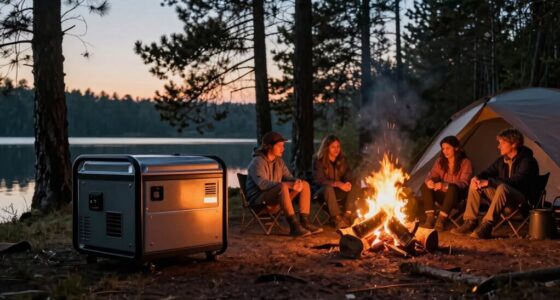
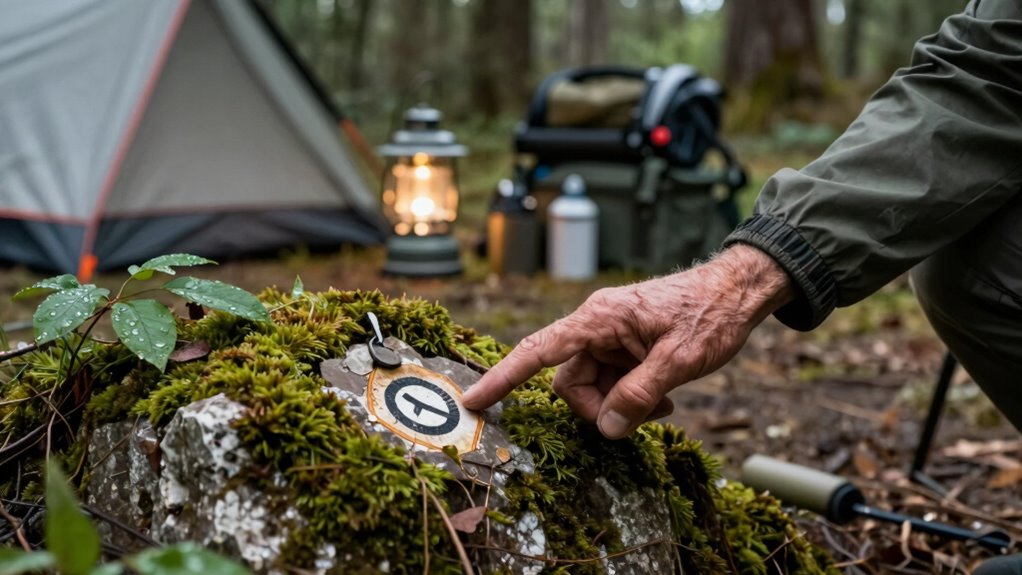

Great campers notice subtle wildlife signs like tracks, sounds, and small movements that often escape new campers. They pay attention to campsite etiquette, such as quiet hours and waste disposal, ensuring the environment stays peaceful and clean. These experienced campers also observe animal behaviors, recognizing cues that can indicate safety or curiosity. By being mindful of these details, you’ll enjoy a richer outdoor experience. Keep exploring to discover even more tips that make a difference.
Key Takeaways
- Recognizing subtle wildlife signs like tracks or sounds to deepen environmental awareness.
- Observing animal behaviors to anticipate safety concerns and respect their space.
- Noticing campsite etiquette details, such as noise levels and waste disposal, that enhance the camping experience.
- Paying attention to natural cues that indicate the presence of wildlife or changing conditions.
- Maintaining respectful distance and quiet to prevent disturbing animals and fellow campers.
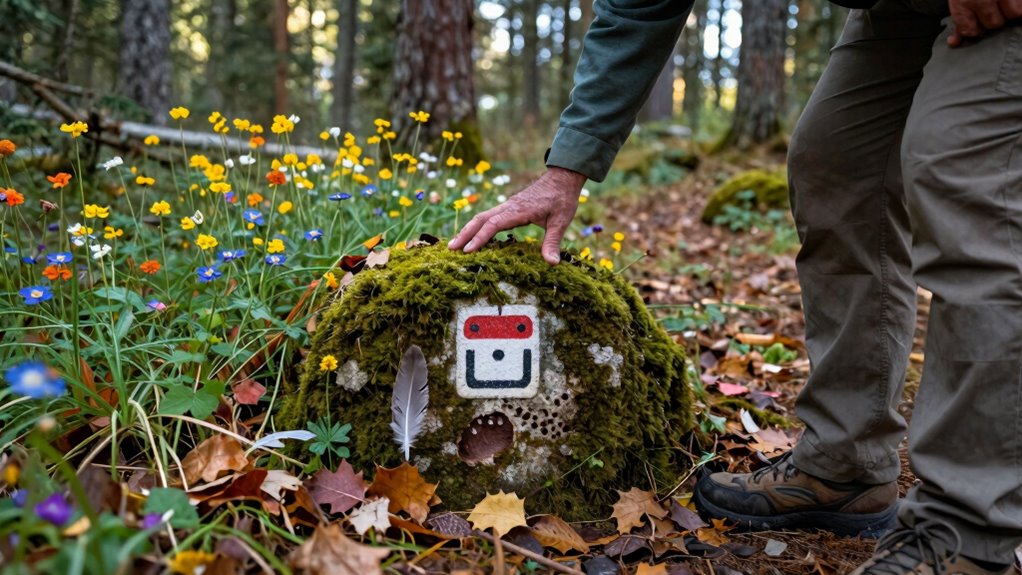
Great campers have a keen eye for details that often go unnoticed by others. As you settle into the rhythm of camping, you start to notice subtle signs of wildlife behavior—small movements, sounds, or tracks that tell a story about the creatures sharing the space with you. While new campers might be distracted by the scenery or busy setting up their tents, you observe how birds dart from branch to branch, how squirrels scurry along the ground, and how deer might cautiously approach a water source at dawn. Recognizing these signs deepens your connection to the environment and helps you camp more responsibly. You understand that respecting wildlife means keeping your distance, avoiding sudden movements, and keeping food stored securely to prevent attracting animals. These small acts, often overlooked by newcomers, are essential for maintaining the natural balance and making sure that animals don’t become dependent on human food. Developing this wildlife awareness can greatly enhance your outdoor experience and help you become a more considerate camper. Paying close attention to animal behavior can also alert you to potential safety concerns or the presence of less friendly creatures nearby.
At the same time, you’re aware that campsite etiquette plays a pivotal role in making the experience enjoyable for everyone. While new campers might be focused on their gear or the perfect spot for a fire, you notice how others are respecting quiet hours, keeping noise levels down, and properly disposing of waste. You see how a simple gesture—like greeting neighbors politely or keeping your area tidy—sets a tone of mutual respect that enhances the camping experience. You’re attentive to how your actions affect the tranquility of the site, making certain your conversations and activities don’t disturb others. Paying attention to campsite etiquette isn’t just about following rules; it’s about fostering a community where everyone can enjoy nature without feeling intruded upon or overwhelmed. Recognizing wildlife behavior and campsite etiquette helps you become a responsible and considerate outdoor enthusiast. Your keen awareness of wildlife behavior and campsite etiquette not only enhances your own experience but also guarantees that others can enjoy the wilderness just as much as you do.

Wildlife of the Pacific Northwest: Tracking and Identifying Mammals, Birds, Reptiles, Amphibians, and Invertebrates (A Timber Press Field Guide)
- Condition: Used Book in Good Condition
As an affiliate, we earn on qualifying purchases.
As an affiliate, we earn on qualifying purchases.
Frequently Asked Questions
How Do Experienced Campers Choose Their Camping Spots?
You choose your camping spot by looking for a flat, shaded area away from heavy traffic, ensuring safety and comfort. You consider proximity to water for campfire cooking and cleanliness, but stay mindful of wildlife awareness—avoiding spots near animal trails or food sources. Great campers also scout for natural windbreaks, unobstructed views, and a good distance from others, making your experience enjoyable and safe.
What Safety Gear Do Seasoned Campers Always Carry?
You always carry essential safety gear like a first aid kit, flashlight, and multi-tool. Seasoned campers prioritize campfire safety, ensuring fires are fully extinguished and kept manageable. Wildlife awareness is vital; you carry bear spray and keep food stored securely away from your tent. Being prepared with these items helps you respond quickly to emergencies, keeping you safe and allowing you to enjoy your trip without unnecessary risks.
How Do Great Campers Handle Unexpected Weather Changes?
Did you know that over 60% of campers face unexpected weather during trips? Great campers handle this by prioritizing weather preparedness and emergency planning. You should always check weather forecasts beforehand, pack appropriate gear, and have a plan for shelter or evacuation. They stay calm, adapt quickly, and communicate with their group. Being prepared for sudden changes ensures safety and keeps the experience enjoyable, no matter the weather.
What Are Common Campsite Etiquette Mistakes by Beginners?
As a beginner camper, you might accidentally forget Leave No Trace principles or disturb wildlife. Avoid loud noises, keep food secure, and pack out all trash. Respect wildlife by observing from a distance and not feeding animals. Be mindful of noise levels, especially at night, and stick to designated trails. These habits help conserve the environment and ensure a positive experience for everyone, including future campers and local ecosystems.
How Do Experienced Campers Set up Their Tents Efficiently?
Think of setting up your tent as orchestrating a symphony. You quickly select a flat, durable spot, avoiding roots and rocks, then stake each corner with precision. You guarantee your gear stays within the Leave No Trace principles, minimizing impact. Remember to keep fire safety in mind, positioning your stove and fire pit away from flammable materials. With practice, your setup becomes smooth, efficient, and respectful of the environment.
Conclusion
Great campers see beyond the basics—they notice the subtle signs of nature’s change and understand the unspoken rules of the trail. Did you know that only 20% of campers truly observe their surroundings? By paying closer attention, you deepen your connection to the outdoors and create richer experiences. So, next time you camp, look around with curiosity—those small details can turn a simple trip into a lifelong memory. Happy camping!