


Smart luggage can be convenient for urban trips, with features like built-in chargers and GPS tracking. However, if you’re heading into the outdoors, it might be overdone. Dependence on batteries, Wi-Fi, and electronics makes it less reliable in remote areas. Rugged gear offers durability and simplicity that outdoor enthusiasts value. Want to know whether smart luggage fits your adventure style? Keep exploring to find out how to balance tech with toughness.

Get travel and outdoor gear delivered free with Prime
- Fast, free delivery on millions of items
- Prime Video, Amazon Music and more included
- Member-only deals all year
Key Takeaways
- Smart luggage offers convenience in urban and multi-destination travel but may be unreliable in remote outdoor environments.
- Traditional outdoor gear prioritizes durability and simplicity, often outperforming smart luggage in rugged settings.
- Dependence on batteries and electronics makes smart luggage less practical in areas lacking charging stations or connectivity.
- Innovative smart features enhance security and device management, benefiting modern travelers in city or mixed trips.
- The suitability of smart luggage versus traditional gear depends on travel style, with outdoor adventures favoring rugged, repairable equipment.
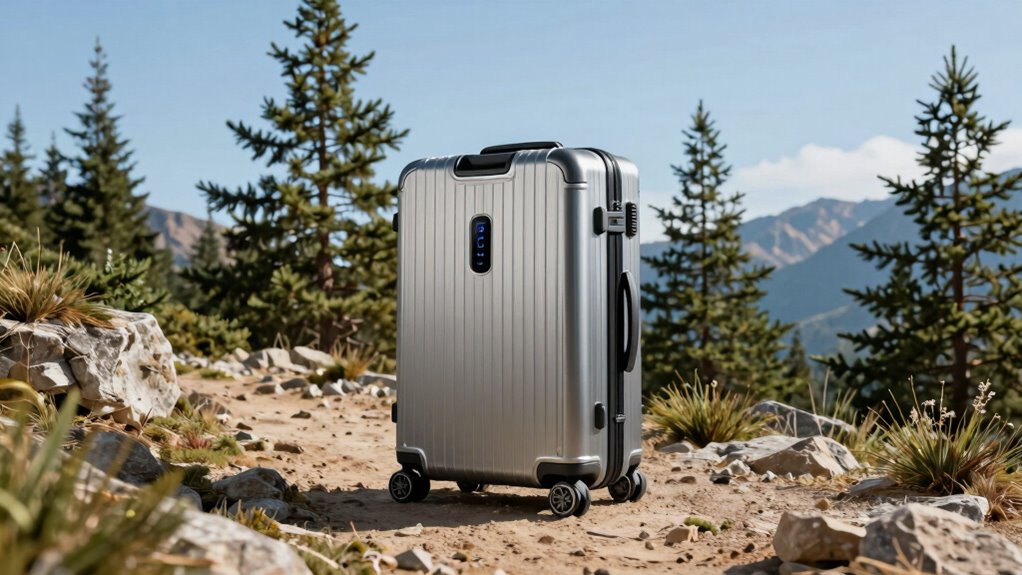
Have you ever wished your luggage could do more than just carry your belongings? As outdoor travel evolves, so do the options in luggage technology. Smart luggage promises convenience with features like built-in chargers, GPS tracking, and even fingerprint locks. But as you consider upgrading, you might wonder whether these high-tech bags are truly worth it or just a flashy trend. For those who enjoy traditional camping and appreciate antique gear, the appeal of simplicity remains strong. Smart luggage can feel like a departure from that tactile, straightforward experience, but it also offers practical benefits for modern adventurers.
Smart luggage offers modern convenience, but traditional gear remains reliable and simple for outdoor adventures.
If you’re someone who values the rugged charm of antique gear, you might see smart luggage as overdone—more suited to urban travel than outdoor adventures. Traditional camping often revolves around durable equipment, reliable tools, and minimal fuss. In that mindset, high-tech luggage can seem out of place, especially when it relies on batteries, Wi-Fi, or electronic components that could fail in remote settings. Classic camping gear has stood the test of time because it’s simple, repairable, and reliable. Smart luggage, with its digital features, introduces a level of fragility and dependence on technology that might not align with the rugged, self-sufficient spirit of outdoor enthusiasts. Additionally, outdoor gear durability remains a key consideration when choosing equipment for remote environments.
However, for many travelers, the convenience of smart luggage is undeniable, especially in urban environments or during multi-destination trips. Features like built-in chargers can keep your devices powered during long layovers, while GPS tracking ensures you don’t lose your bag in crowded airports. If you’re carrying high-value gear or sensitive electronics, smart luggage provides an extra layer of security. Yet, when heading into the wilderness or participating in traditional camping trips, the appeal diminishes. The last thing you want is to be stranded with a malfunctioning smart bag in a remote area, far from repair shops or charging stations. Travel convenience is a significant factor in the rising popularity of smart luggage, but it comes with limitations that are important to consider.
Additionally, advancements in luggage technology continue to expand the capabilities of smart bags, making them more durable and adaptable for different travel scenarios. Recognizing the importance of reliable gear in remote environments, some companies are developing smarter options that balance technology with durability. As the market for smart luggage grows, so does the innovation behind these products, aiming to bridge the gap between convenience and ruggedness. In the end, whether smart luggage is useful or overdone depends on your travel style. If your adventures lean toward city exploring or mixed urban-outdoor trips, the smart features can enhance your experience. But if you prefer the timeless, no-nonsense approach of traditional camping, antique gear still has a timeless appeal. It’s durable, straightforward, and dependable—qualities that modern tech often struggles to match in the wild. So, weigh your priorities carefully: whether you want the latest in convenience or the reliability of tried-and-true gear. Either way, it’s clear that the evolution of outdoor travel gear offers options to suit every type of traveler.
As an affiliate, we earn on qualifying purchases.
Frequently Asked Questions
How Secure Are Smart Luggage Tracking Features Against Hacking?
Smart luggage tracking features can be vulnerable to hacking due to cybersecurity vulnerabilities, so they aren’t completely secure. You might face privacy concerns if hackers access your location data or personal information. To protect yourself, guarantee the device uses strong encryption, regularly update its software, and choose reputable brands. Staying vigilant helps minimize risks and keeps your travel details safer from potential cyber threats.
Are Smart Luggage Batteries Airline-Compliant for Carry-On?
Yes, smart luggage batteries are airline-compliant for carry-on, but only if they follow battery regulations and airline policies. Picture packing your bag, knowing your battery’s size and capacity meet safety standards, so you avoid surprises at the gate. Many airlines restrict lithium batteries over 100Wh, so always check your airline’s policies and guarantee your smart luggage’s batteries are within permitted limits before heading to the airport.
What Environmental Impacts Do Smart Luggage Manufacturing and Disposal Have?
Smart luggage manufacturing and disposal pose environmental impacts, mainly due to the use of non-biodegradable materials and recycling challenges. If you choose eco-friendly materials, you reduce your carbon footprint. However, the complex electronics inside smart bags complicate recycling efforts, often leading to waste that ends up in landfills. Being aware of these factors helps you make more sustainable choices, encouraging brands to adopt greener practices.
Can Smart Luggage Be Used Effectively in Remote Outdoor Locations?
Yes, smart luggage can be used effectively in remote outdoor locations if it’s equipped with features like GPS tracking and remote navigation. These tools help you stay connected in wilderness areas, making it easier to locate your gear and navigate challenging terrain. However, consider battery life and durability, as reliable wilderness connectivity depends on robust electronics and power sources. Always guarantee your smart luggage suits the environment you’ll be exploring.
How Durable Are Smart Luggage Features in Extreme Weather Conditions?
Smart luggage features vary in durability; many undergo durability testing, but extreme weather can challenge their resilience. You might find that material resistance is tested for water, heat, and impacts, yet some smart bags may still struggle in harsh conditions. For outdoor travel, choose luggage with proven durability, especially in extreme weather, to guarantee your smart features stay functional and your belongings remain protected during your adventures.
Conclusion
So, savvy travelers, smart luggage offers impressive innovations and improved convenience, but it’s not without its pitfalls. Before you pack your bags, ponder practicality over novelty and prioritize peace of mind over flashy features. Remember, the true treasure lies in thoughtful travel choices, not just tech-touted luggage. Ultimately, whether you embrace or evade these extras, make mindful moves that match your needs and maximize your outdoor adventures. Safe travels, and stay savvy!
Fall Picks
fall essentials
As an affiliate, we earn on qualifying purchases.