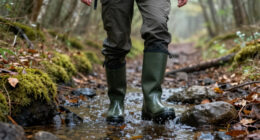


Before heading out, plan for rain by checking weather forecasts and packing waterproof gear like jackets, boots, and containers for valuables. Confirm your tent is properly waterproofed, seams sealed, and positioned on dry ground. Prepare a fire-safe area and gather kindling and fire-starting supplies in advance. Elevate gear off the ground and cover it with tarps to keep everything dry. Staying flexible and prepared makes your camping experience safer and more comfortable—continue to learn key steps for a worry-free trip.

Get travel and outdoor gear delivered free with Prime
- Fast, free delivery on millions of items
- Prime Video, Amazon Music and more included
- Member-only deals all year
Key Takeaways
- Check and waterproof tent seams and fabric to prevent leaks during rain.
- Pack waterproof clothing, gear, and electronics in sealed containers to stay dry.
- Identify sheltered, non-flammable fire sites and gather dry fire-starting materials in advance.
- Plan alternative activities or shelter options in case of heavy rain or thunderstorms.
- Monitor weather forecasts regularly and adjust plans to prioritize safety and comfort.

Rain can unexpectedly disrupt your camping trip, but having a solid rain plan guarantees you stay safe and comfortable. Preparing for rain means thinking ahead about how to keep yourself dry, safe, and warm. One of the most vital steps is ensuring your tent is waterproofed. Before you leave home, check your tent’s seams and fabric for any damage or leaks. Applying a waterproofing spray or seam sealer can make a huge difference in preventing water from seeping inside. If your tent already has holes or weak spots, consider patching them up beforehand or replacing it if necessary. A well-waterproofed tent is your first line of defense against rain, keeping you dry and protecting your gear.
Ensure your tent is waterproofed with seam sealer or spray before camping to stay dry and protect your gear.
Once your tent is ready, it’s time to plan for safe and responsible campfire safety in wet conditions. If you plan to build a campfire despite the rain, choose a location that’s naturally sheltered and free of overhanging branches. Keep your fire on a non-flammable surface like gravel or rocks, and clear away any wet leaves or grass that could catch fire. Remember, wet wood burns differently—so gather dry kindling and fire-starting materials before your trip. Be patient in damp weather, and don’t force a fire if the conditions are unsafe. Always have a bucket of water or a fire extinguisher nearby to quickly put out any flames if needed. Practicing campfire safety in the rain not only keeps you safe but also prevents wildfires.
In addition to waterproofing your tent and practicing campfire safety, it’s essential to have a plan for managing your gear and staying dry. Pack rain gear like waterproof jackets, pants, and boots, and keep electronics and valuables in waterproof containers. Elevate your gear off the ground on racks or tarps to prevent water damage. Setting up a tarp or rain fly over your tent can provide extra protection from heavy rain and help keep the interior dry. Also, plan your activities around weather forecasts, and be ready to adjust your schedule if heavy rain is expected. Knowing when to seek shelter and when to stay put helps you avoid unnecessary risks. Additionally, understanding proper tent waterproofing techniques and water-resistant storage can make all the difference in bad weather. Ensuring your gear is waterproofed properly and prepared for changing conditions guarantees a more enjoyable outdoor experience despite the rain.
waterproof camping tent seam sealer
As an affiliate, we earn on qualifying purchases.
As an affiliate, we earn on qualifying purchases.
Frequently Asked Questions
How Early Should I Create My Rain Plan Before Camping?
You should create your rain plan at least a week before camping to guarantee proper campground safety and rain gear selection. This gives you time to check weather forecasts, pack suitable rain gear, and identify nearby shelters. Planning early helps you avoid last-minute stress, keeps you dry, and ensures your safety. Don’t wait until the last minute; a well-prepared rain plan makes your camping experience more enjoyable and secure.
What Essential Items Should Be Included in a Rain Plan?
Did you know nearly 60% of camping accidents involve weather issues? Your rain plan should include essential items like reliable rain gear, waterproof footwear, extra tarps, and weather-resistant clothing. Think about campground safety by packing a first aid kit and a flashlight. Proper rain gear selection guarantees you stay dry and comfortable, reducing risks. Planning these essentials helps you handle sudden downpours confidently and keeps your camping experience safe and enjoyable.
How Can I Stay Dry During Unexpected Rain Showers?
To stay dry during unexpected rain showers, you should wear waterproof clothing and carry a compact rain poncho or umbrella. Keep your belongings in waterproof containers or bags. Be mindful of campfire safety, avoiding open flames in wet conditions, and respect wildlife encounters by maintaining a safe distance, especially if animals seek shelter from the rain. These tips help you stay dry while ensuring safety and enjoyment during your camping trip.
What Are Some Alternative Indoor Activities if It Rains?
If rain catches you off guard, imagine the thrill of indoor games that challenge your mind and spark laughter. You can also immerse yourself in cooking activities, turning the storm outside into a cozy kitchen adventure. These alternatives keep everyone entertained and engaged, transforming a gloomy day into a memorable experience. So, keep some fun indoor options in mind—your rainy day won’t ruin your camping trip, it’ll just add a new story to tell.
How Do I Communicate Weather Updates to Campers Effectively?
You should use weather apps to stay updated on forecast changes and communicate these to campers promptly. Share real-time updates via group messages or announcements, ensuring everyone stays informed. Keep emergency contacts handy and update campers if conditions worsen, emphasizing safety. Clear, consistent communication helps manage expectations and keeps everyone prepared, so you can adjust plans smoothly and keep campers safe and engaged regardless of weather shifts.
Conclusion
So, as you pack your gear and double-check your supplies, remember this: your rain plan isn’t just a backup—it’s your ticket to a memorable adventure, no matter the weather. Imagine the sky darkening unexpectedly, rain starting to fall, yet you remain dry, confident, and ready for anything. With this plan in place, you’ll step into the storm with ease, knowing you’ve prepared for the unexpected. The rain’s surprise won’t stand a chance against your foresight.
Fall Picks
fall essentials
As an affiliate, we earn on qualifying purchases.