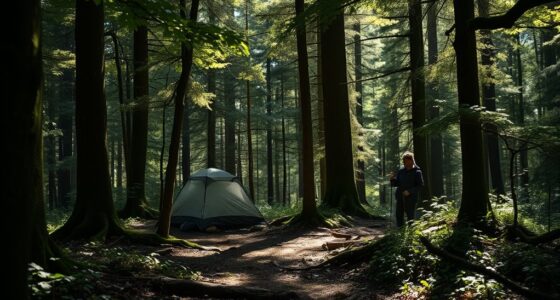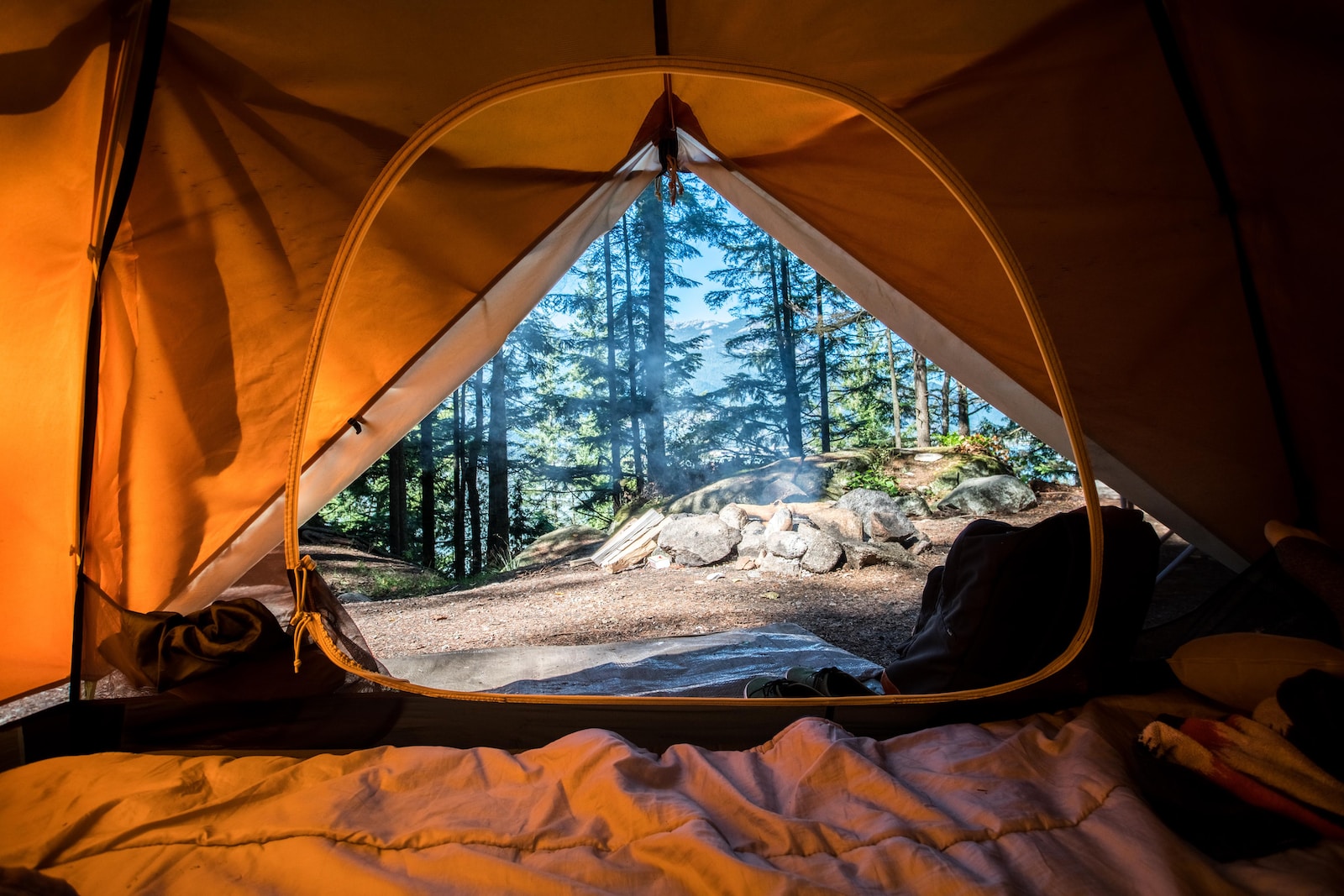
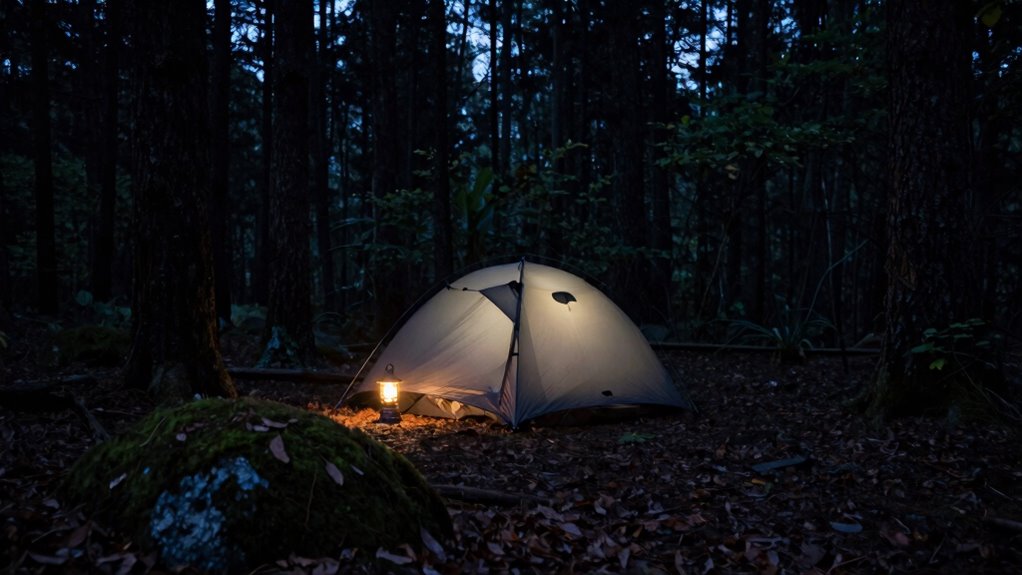
The most important rule in stealth camping is to respect and blend into your environment so you don’t attract attention. You need to minimize your footprint, avoid noise, and act responsibly, ensuring you stay unnoticed by sticking to natural surroundings and keeping lights dim. If you’re careful to leave no trace and behave responsibly, you help preserve the space for future stealth campers. To discover more about how to master this skill, keep exploring these strategies.

Get travel and outdoor gear delivered free with Prime
- Fast, free delivery on millions of items
- Prime Video, Amazon Music and more included
- Member-only deals all year
Key Takeaways
- Respect land and local regulations to ensure continued access and avoid legal issues.
- Minimize environmental impact by leaving no trace and keeping a low profile.
- Prioritize safety by choosing concealed, stable campsites away from trails.
- Keep valuables secure and avoid attracting attention to prevent theft or disturbances.
- Share plans with trusted contacts and carry emergency gear for enhanced safety.
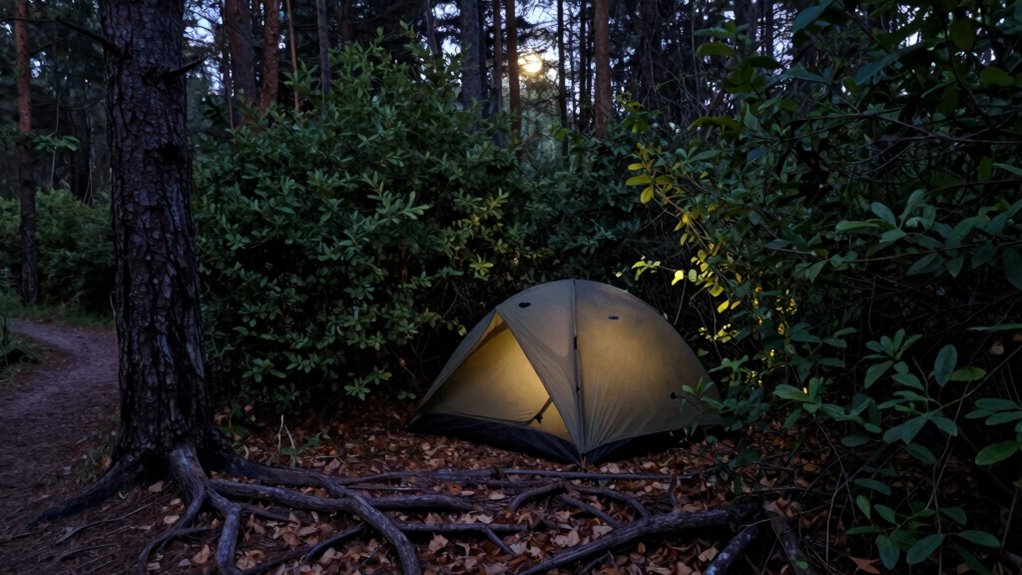
Stealth camping is a practice that lets you sleep overnight in outdoor or urban areas without drawing attention or violating regulations. It’s a skill that requires finesse, awareness, and respect for the environment and local communities. No matter how seasoned you are, the most essential rule you can follow isn’t just about choosing a spot or packing light — it’s about practicing good campground etiquette. Respecting the land, neighbors, and rules ensures you can keep stealth camping sustainable and safe for everyone involved. When you’re in an unfamiliar area, it’s vital to avoid making noise or leaving obvious signs of your presence. Keep lights dim, minimize your footprint, and be discreet with your gear. This not only helps you stay unnoticed but also shows respect for the space and its users.
Nighttime safety should always be at the forefront of your mind. Stealth camping often places you in less predictable environments, so you need to be alert and prepared. Make sure your spot is hidden from view, away from trails or busy areas, and on stable ground. Carry a reliable light source and keep it dim to avoid attracting attention. Trust your instincts — if something feels off, move to a different location. It’s better to be cautious than to risk confrontation or unsafe conditions. Being aware of your surroundings helps you identify potential hazards, like wildlife or unstable terrain, before they become problems. Additionally, understanding the importance of biodiversity can help you appreciate and minimize your impact on local ecosystems.
Another key aspect of nighttime safety is informing someone you trust about your whereabouts. Share your plans, location, and expected return time, especially if you’re in an area with limited cell service. Carry a charged phone, and consider a portable charger for emergencies. Keep your valuables secure and out of sight, so you don’t attract unwanted attention. If possible, camp near other stealth campers or in spots where others have safely stayed before — community awareness can add an extra layer of security. Incorporating air quality considerations, like avoiding areas with poor ventilation, can also contribute to a safer and healthier stealth camping experience. Being familiar with local regulations and respecting regulations can help you avoid unintentional violations that might compromise your safety or the environment. Furthermore, knowing how to identify safe camping sites can improve your experience and reduce risks.
Furthermore, understanding the importance of environmental sustainability can help you make more eco-friendly choices that support the longevity of stealth camping as a practice. Ultimately, the most vital rule of stealth camping is to blend in seamlessly with your environment. Respect campground etiquette by leaving no trace, avoiding disturbances, and acting responsibly. When you prioritize nighttime safety and adhere to these principles, you’re not only protecting yourself but also ensuring future stealth campers can enjoy the freedom of sleeping under the stars in discreet, safe spots. It’s a mindful approach that sustains the practice and keeps it enjoyable for everyone involved.
compact headlamp for stealth camping
As an affiliate, we earn on qualifying purchases.
As an affiliate, we earn on qualifying purchases.
Frequently Asked Questions
How Do I Find Legal Stealth Camping Spots?
You find legal stealth camping spots by researching urban environments that allow overnight stays, like designated parks or rest areas. Look for quiet, less trafficked spots away from businesses and residences to avoid trouble. Always consider wildlife considerations—avoid disturbing animals or fragile ecosystems. Use maps, apps, or local knowledge to identify discreet, legal locations, and remember to follow all posted signs and regulations for a safe, respectful camping experience.
What Gear Is Essential for Stealth Camping?
You need hidden gear and quiet footsteps to stealth camp effectively. Pack lightweight, discreet items like a compact tent or bivy, a silent sleeping pad, and a small stove. Use noise-reducing footwear to keep footsteps quiet, and hide gear in inconspicuous bags or within your clothing. Staying low-profile and minimizing noise helps you blend into your surroundings, making your setup less noticeable and increasing your chances of a successful stealth camp.
How Can I Avoid Detection by Authorities?
To avoid detection by authorities, stay hidden and quiet, choose remote spots, and keep noise to a minimum. Practice campfire safety by ensuring fires are small and fully extinguished before leaving. Respect wildlife encounters, keeping a safe distance and avoiding attracting animals with food or trash. Use low-profile gear and avoid obvious campsite setups. Staying discreet and respectful helps you blend into the environment and reduces the chance of being spotted.
What Are Common Stealth Camping Mistakes?
You often make mistakes in stealth camping by neglecting camouflage techniques, which can make your spot obvious. Failing to minimize noise is another common error, attracting unwanted attention. Avoid bright lights and loud sounds, especially at night. Don’t set up camp in highly visible areas or leave behind signs of recent activity. Instead, blend into your surroundings, stay quiet, and keep a low profile to improve your chances of staying unnoticed.
How Do I Ensure Safety While Stealth Camping?
To guarantee safety while stealth camping, prioritize your urban safety by choosing well-lit, discreet spots away from high traffic areas. Stay alert for wildlife encounters, especially in parks or wooded areas, and avoid disturbing animals. Keep your belongings secure, stay aware of your surroundings, and trust your instincts. Avoid risky situations, and always have a plan to exit quickly if needed. This approach keeps you safe and minimizes trouble during your stealth camping adventure.
Conclusion
Remember, mastering the stealth camping rule is like wielding a secret weapon in the wilderness—nothing else matters more. When you respect privacy, stay hidden, and leave no trace, you become virtually invisible to others. This rule isn’t just important; it’s the backbone of successful stealth camping. Follow it, and you’ll navigate the wild unseen, like a ghost in the night. Fail, and you risk losing your spot—or worse, your freedom—forever.
Halloween Picks
halloween
As an affiliate, we earn on qualifying purchases.