
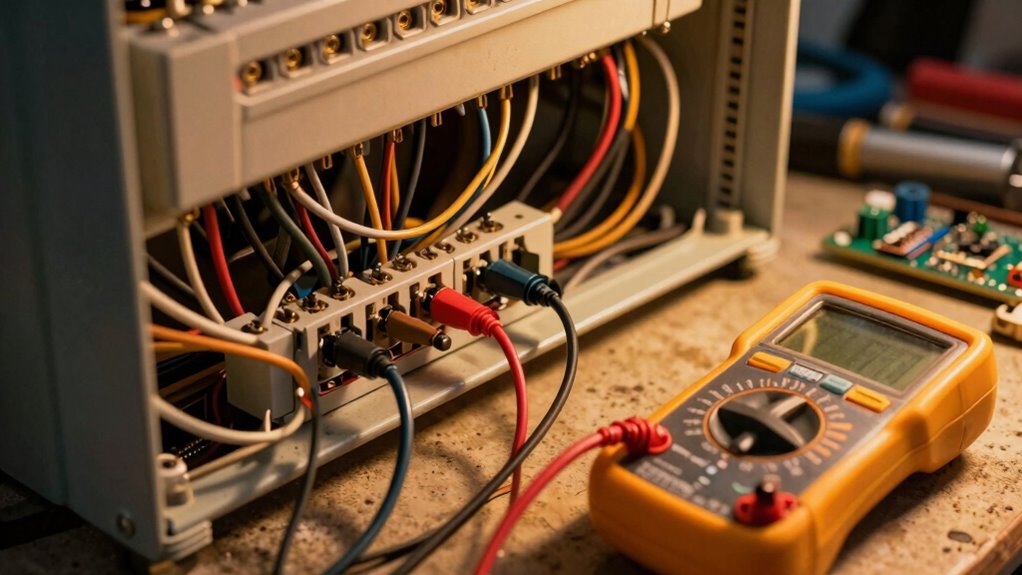

Your inverter keeps tripping for hidden reasons like wiring issues, environmental stress, or battery problems that often go unnoticed. Loose connections, dust, humidity, or high temperatures can cause shutdowns, while overloading or aging batteries strain the system. Manufacturing defects and internal temperature fluctuations also play a role. To prevent these trips, you need to check every possible cause—keep reading to uncover the details that could save your inverter from constant shutdowns.
Key Takeaways
- Wiring faults, loose connections, and corrosion can cause overloads or short circuits, leading to inverter trips.
- Environmental factors like high temperatures, humidity, and dust impair cooling and internal components, triggering shutdowns.
- Overloading devices or power surges exceed capacity, causing trips; monitor load and install surge protectors.
- Internal issues such as inadequate cooling, manufacturing defects, or faulty components can activate safety shutdowns unexpectedly.
- Neglecting regular maintenance, poor placement, or unchecked wiring problems increases the risk of frequent inverter trips.
How Do Inverters Work, and Why Do They Trip?
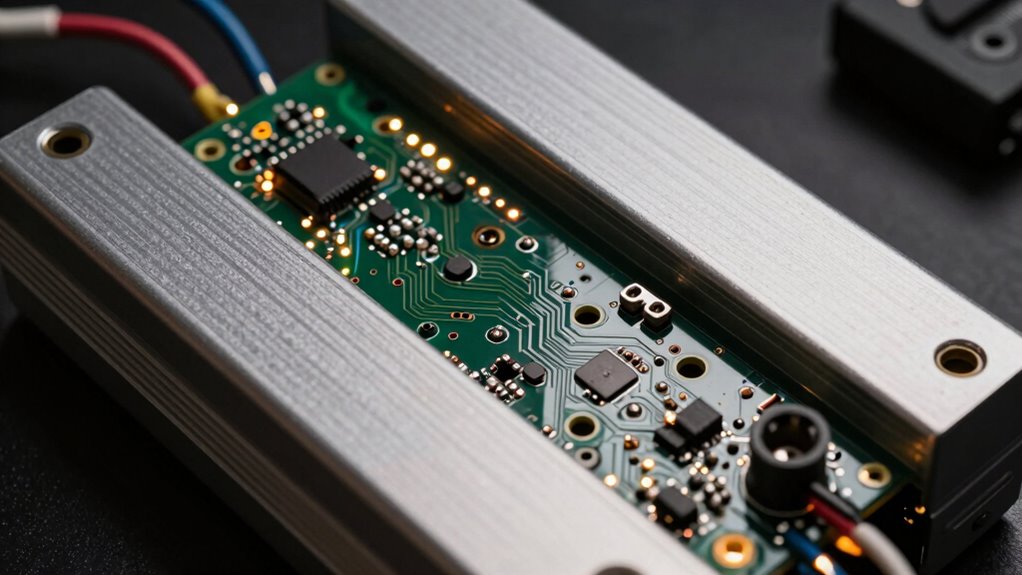
Inverters are essential devices that convert direct current (DC) from sources like batteries or solar panels into alternating current (AC) usable by household appliances. Their operation depends on careful inverter design and reliable electrical components. Inside, you’ll find components like transistors, capacitors, and transformers that work together to generate AC power. When functioning properly, these components switch states rapidly, creating a sine wave similar to your utility supply. However, if there’s a fault—such as overloads, short circuits, or overheating—the inverter’s safety mechanisms trigger, causing it to trip. This protective response prevents damage to the device and your appliances. Understanding how these electrical components interact helps you grasp why inverters trip and highlights the importance of reliable electrical components for stable operation.
Could Wiring Issues Be Causing Your Inverter to Trip?
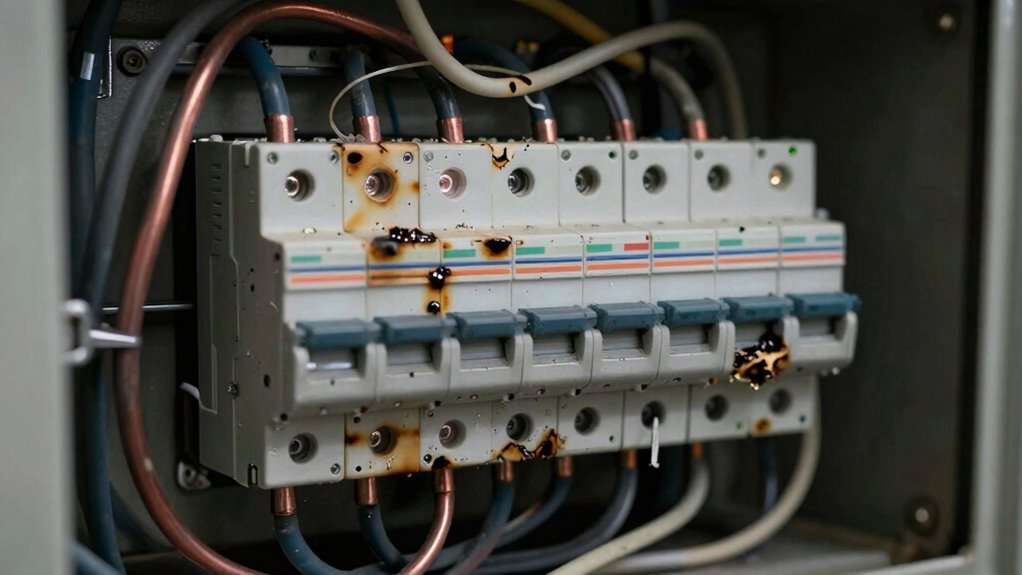
Wiring issues are a common cause of inverter tripping, often stemming from improper connections or damaged cables. Faulty wiring can lead to wiring faults or circuit overloads, stressing your inverter and causing trips. Check for loose connections, frayed wires, or corrosion that might disrupt current flow. Overloaded circuits also strain the wiring, triggering protective shut-offs. Use this table to identify common wiring problems:
| Issue | Symptoms | Solution |
|---|---|---|
| Loose connections | Intermittent trips | Tighten or replace terminals |
| Damaged cables | Frequent tripping | Replace damaged wiring |
| Wiring faults | Sudden trips | Inspect and repair wiring |
| Circuit overloads | Frequent trips, flickering | Reduce load or upgrade wiring |
| Corrosion | Intermittent trips | Clean or replace affected wires |
Additionally, proper installation practices are essential to prevent wiring-related issues and ensure your inverter operates reliably.
What Environmental Factors Stress Your Inverter?
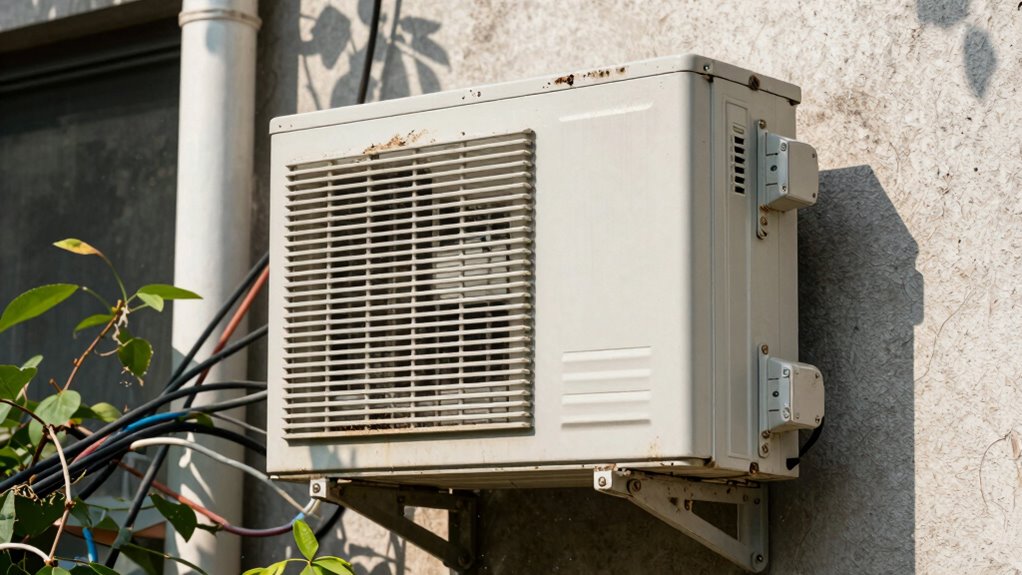
Environmental factors such as temperature fluctuations, humidity, and exposure to dust or corrosive elements can put significant stress on your inverter. High temperatures reduce solar efficiency, causing your inverter to work harder and increasing the risk of tripping. Humidity and dust can lead to corrosion or dirt buildup, impairing internal components and decreasing performance. Proper inverter placement is vital; installing it in a shaded, well-ventilated area helps maintain ideal operating temperatures and protects against environmental damage. Avoid direct sunlight, moisture, and dusty environments to guarantee your inverter runs smoothly and maintains efficiency. Regular maintenance is essential for identifying and addressing environmental issues early. By minimizing environmental stressors, you extend your inverter’s lifespan and reduce the chances of unexpected trips caused by external factors.
Is Overloading Your Inverter Without Realizing It?

You might be overloading your inverter without realizing it by drawing too much power or connecting multiple devices at once. This excess load can cause it to trip unexpectedly. Keeping track of your power usage helps prevent overloads and keeps your inverter running smoothly. Additionally, being aware of the performance metrics can help you identify patterns and prevent future tripping issues.
Excessive Power Draw
Excessive power draw is a common but often overlooked cause of inverter tripping. When your devices demand more power than the inverter can supply, it triggers a shutdown to prevent damage. This happens when you connect devices with high power consumption that aren’t compatible with your inverter’s capacity. Overloading occurs when multiple devices collectively draw more current than your inverter’s rated output. Even if each item seems low-power alone, combined they can surpass the limit. To avoid trips, monitor the total power draw closely, and ensure your inverter matches or exceeds the demands of your devices. Proper water management in your setup can also help prevent overloads, especially in environments with moisture or water-related equipment. This simple step can save you from frequent shutdowns and potential damage.
Multiple Devices Connected
Even if each device connected to your inverter seems low in power individually, combining multiple devices can quickly lead to overload. Poor power management often causes your inverter to trip because it struggles to handle the total load. You might not realize how many devices are running simultaneously, especially if you haven’t checked their combined wattage. Ensuring device compatibility with your inverter’s power capacity is vital. Overloading occurs when the total power draw exceeds the inverter’s rated output, triggering a trip. To prevent this, monitor how many devices are connected at once, and prioritize essential ones. Proper power management involves disconnecting non-essential devices during high-demand periods, keeping your inverter from tripping due to overload. Awareness of your device load helps avoid unnecessary disruptions. Additionally, understanding the power ratings of your devices and inverter can help you better manage the load distribution.
How Does Battery Health Affect Inverter Reliability?
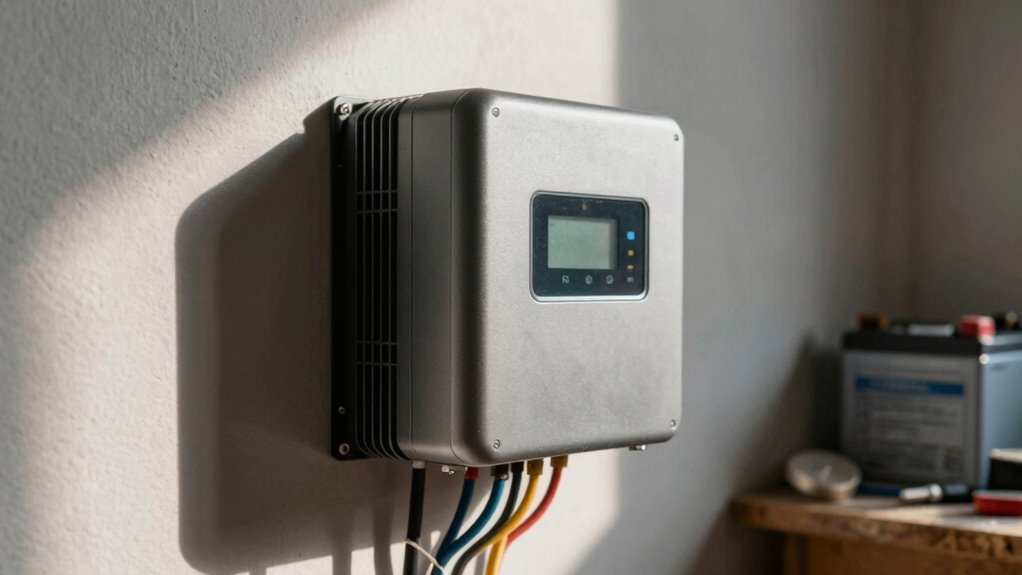
The health of your battery plays a crucial role in the reliability of your inverter. Over time, battery degradation reduces its ability to hold a full charge, which directly impacts the inverter’s performance. When the charge capacity drops, your inverter may trip more frequently because it struggles to draw sufficient power or properly regulate voltage. A weakened battery can cause inconsistent power delivery, leading to trips or shutdowns to protect your system. Additionally, degraded batteries can generate excess heat and internal resistance, further impairing efficiency and increasing the likelihood of faults. Regularly monitoring your battery’s health and replacing it when necessary helps maintain ideal charge capacity, ensuring your inverter runs smoothly and reduces unexpected trips caused by compromised battery performance. Proper maintenance and timely replacements are essential for optimal inverter operation.
Can Power Surges and Spikes Make Your Inverter Trip?
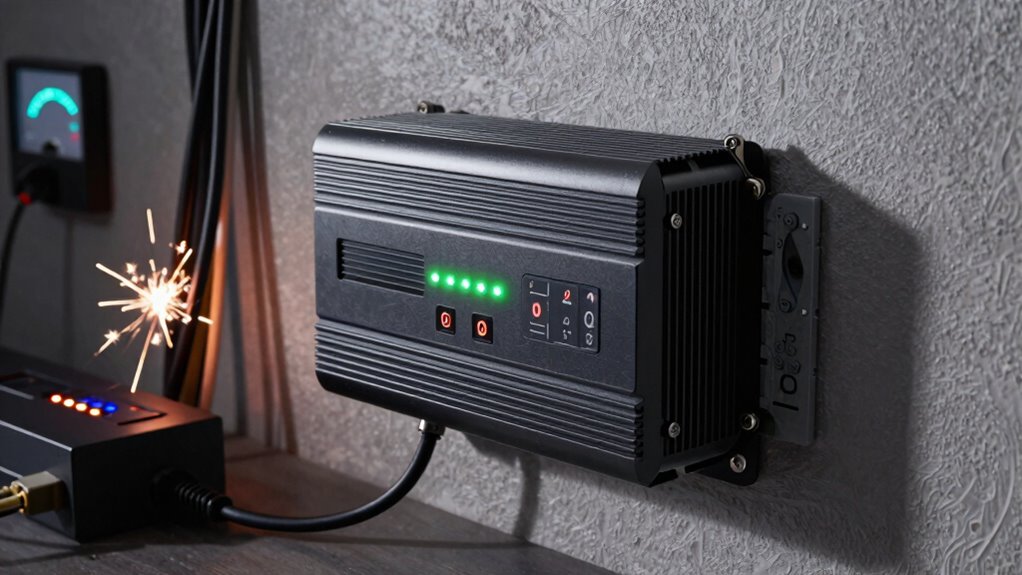
Have you ever experienced your inverter shutting down unexpectedly? Power surges and spikes are common culprits behind these trips. When sudden voltage increases occur, your inverter struggles to maintain proper power regulation, which can trigger protective shutdowns to prevent damage. Investing in surge protection devices can help block these damaging voltage spikes before they reach your inverter. Without adequate surge protection, even brief surges can overwhelm the system, causing it to trip repeatedly. Keep in mind that power spikes often come from external sources like lightning strikes or grid fluctuations. Ensuring your inverter is connected to a robust surge protection system not only safeguards your equipment but also promotes stable operation, reducing the chances of unexpected shutdowns. Additionally, understanding the environmental impact of tissue paper can inspire eco-friendly practices in your overall setup.
Do Temperature Fluctuations Cause Inverter Shutdowns?
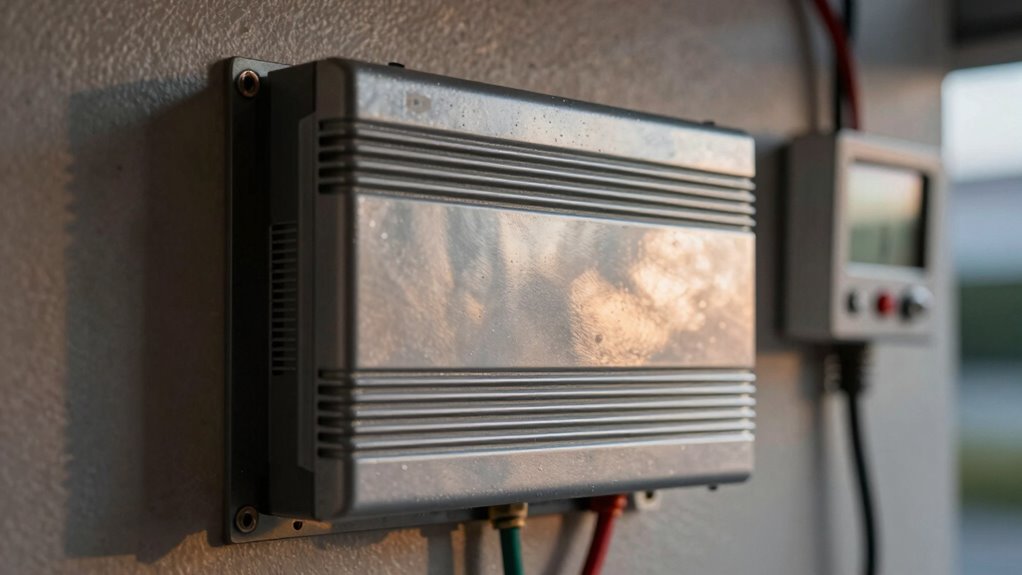
Temperature fluctuations can directly affect your inverter’s performance and safety. External weather changes may cause it to overheat or freeze, while internal temperature regulation systems work to prevent damage. Understanding how these factors influence shutdowns helps you keep your inverter running smoothly.
Impact of External Temperatures
External temperature fluctuations can considerably influence inverter performance, sometimes leading to shutdowns. When external heat causes the ambient temperature to rise, your inverter may overheat, triggering safety mechanisms to protect its components. High ambient temperatures reduce the inverter’s ability to dissipate heat effectively, increasing the risk of thermal shutdowns. Conversely, extremely cold conditions can impair internal components’ operation, although shutdowns are less common in low temperatures. It’s vital to consider your environment’s climate and ensure proper ventilation and shading to mitigate external heat effects. Proper placement away from direct sunlight and ensuring good airflow help maintain ideal operating temperatures. Additionally, monitoring microplastics in dust and ensuring clean filters can improve overall device cooling and performance. By managing external temperatures, you reduce the chances of unexpected inverter shutdowns caused by temperature-related stress.
Internal Temperature Regulation
Fluctuations in internal temperature can directly cause inverter shutdowns if not properly managed. Effective thermal management is essential to maintain ideal operation and prevent overheating. Without proper internal cooling, heat builds up inside the inverter, triggering safety protocols that shut it down to avoid damage. Temperature fluctuations can occur due to high load demands or inadequate cooling systems, leading to thermal stress. Ensuring your inverter has sufficient internal cooling and consistent thermal management helps keep temperatures stable. This prevents unnecessary shutdowns caused by thermal overload. Regular maintenance of cooling components and monitoring internal temperatures allow you to address issues before they trigger shutdowns. Maintaining proper internal temperature regulation is critical for reliable inverter performance and longevity. Additionally, understanding airflow management can help optimize cooling efficiency and prevent temperature spikes.
Are Manufacturing Defects Leading to Frequent Trips?
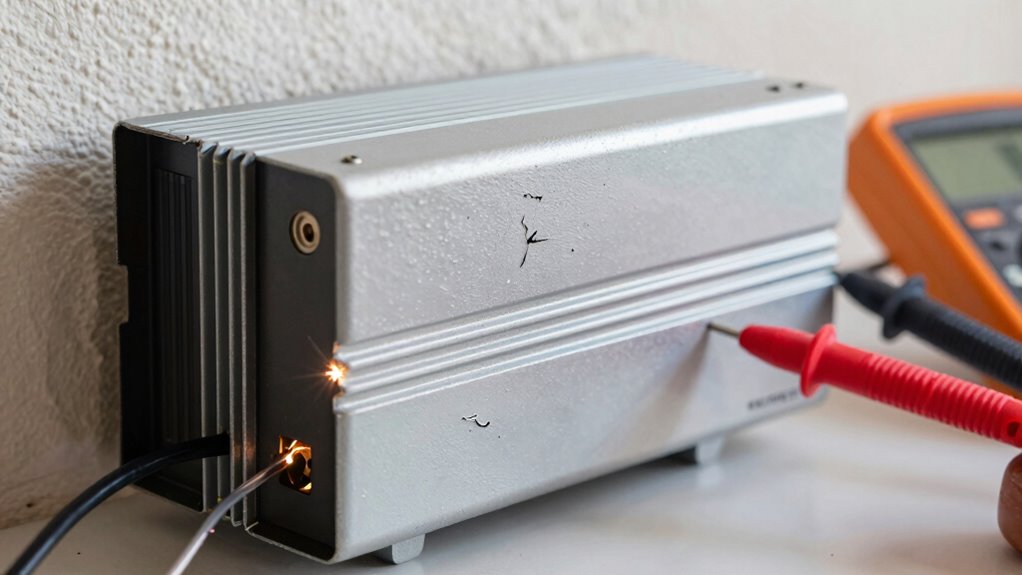
Manufacturing defects can markedly contribute to inverter trips, especially when faulty components or poor assembly compromise the device’s stability. Manufacturing flaws, such as substandard capacitors or damaged circuit boards, may cause the inverter to trip unexpectedly. These issues often stem from lapses in quality control during production, where corners are cut or inspections are insufficient. If your inverter was assembled with defective parts or rushed processes, it might struggle to handle normal loads, leading to frequent shutdowns. These manufacturing problems are usually not obvious without detailed inspection, but they can considerably affect performance. Ensuring your inverter comes from a reputable manufacturer with strict quality control measures can help prevent trips caused by manufacturing defects.
What Maintenance Mistakes Could Be Causing Your Inverter to Shut Down?
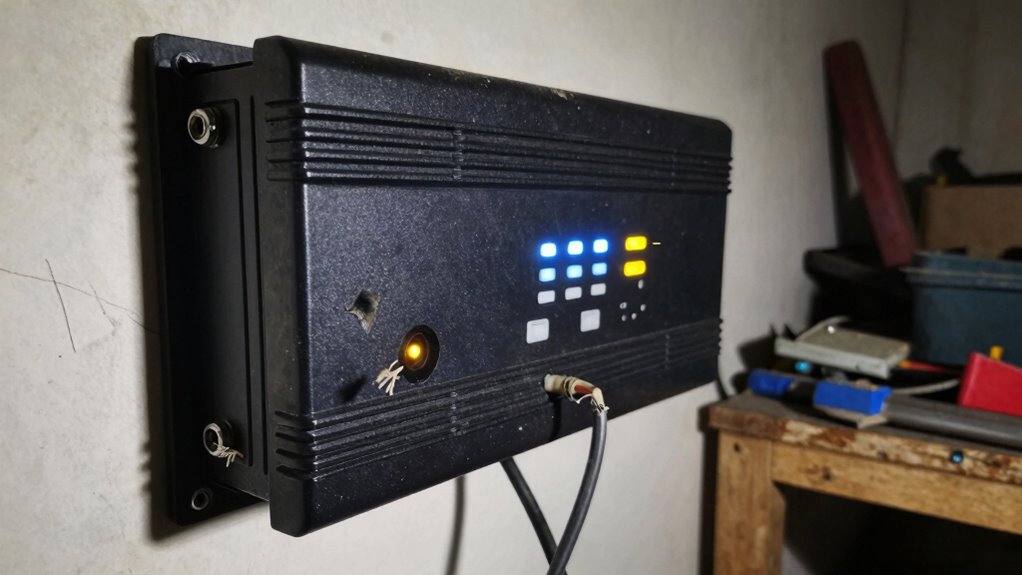
If you neglect regular inspection routines, small issues can turn into major problems that cause your inverter to shut down. Ignoring proper cooling measures and failing to clean filters can lead to overheating and system failures. Addressing these maintenance mistakes promptly keeps your inverter running smoothly and prevents unnecessary trips.
Overlooking Regular Inspection Routines
Neglecting regular inspection routines can lead to overlooked issues that cause your inverter to shut down unexpectedly. Without consistent checks, problems like loose connections, worn-out components, or dust buildup can go unnoticed, increasing the risk of failure. Following a proper maintenance schedule ensures you identify and address minor issues before they escalate. Skipping inspections means you might miss signs of wear or damage that could trigger trips or shutdowns. Regularly examining your inverter’s connections, cooling fans, and ventilation helps maintain peak performance. By sticking to a disciplined inspection routine, you prevent avoidable breakdowns and prolong your inverter’s lifespan. This proactive approach reduces unexpected downtime and saves you from costly repairs caused by neglecting routine maintenance.
Ignoring Proper Cooling Measures
One common mistake that can cause your inverter to shut down is failing to maintain proper cooling measures. Without effective cooling systems or ventilation enhancement, heat builds up, risking thermal shutdowns. Over time, dust and debris can clog vents, reducing airflow and preventing heat dissipation. Neglecting to check and clean cooling components compromises efficiency. Poor placement, such as installing the inverter in a confined or hot space, also hampers cooling. Ensuring proper ventilation enhancement and regular maintenance of cooling systems prevents overheating.
- Avoid blocking ventilation openings
- Regularly clean cooling fans and vents
- Use cooling fans or additional ventilation if needed
- Keep the inverter in a shaded, cool environment
- Monitor temperature levels regularly
Neglecting Filter Cleaning Schedule
Regularly cleaning the filters in your inverter prevents dust buildup that can obstruct airflow and cause overheating. If you neglect this schedule, dirt accumulation on the filters can lead to significant filter buildup, restricting ventilation. Over time, this impedes proper cooling, forcing the inverter to shut down to prevent damage. Dirty filters also allow dust and debris to enter critical components, increasing the risk of electrical faults and tripping. Skipping filter cleaning may seem minor, but it hampers the inverter’s ability to dissipate heat efficiently. To avoid unexpected shutdowns, make it a routine to inspect and clean your filters regularly. Keeping filters free of dirt and debris ensures *ideal* airflow, helping your inverter operate smoothly and reducing the chances of unnecessary trips caused by overheating.
How Can You Troubleshoot and Identify Why Your Inverter Keeps Tripping?
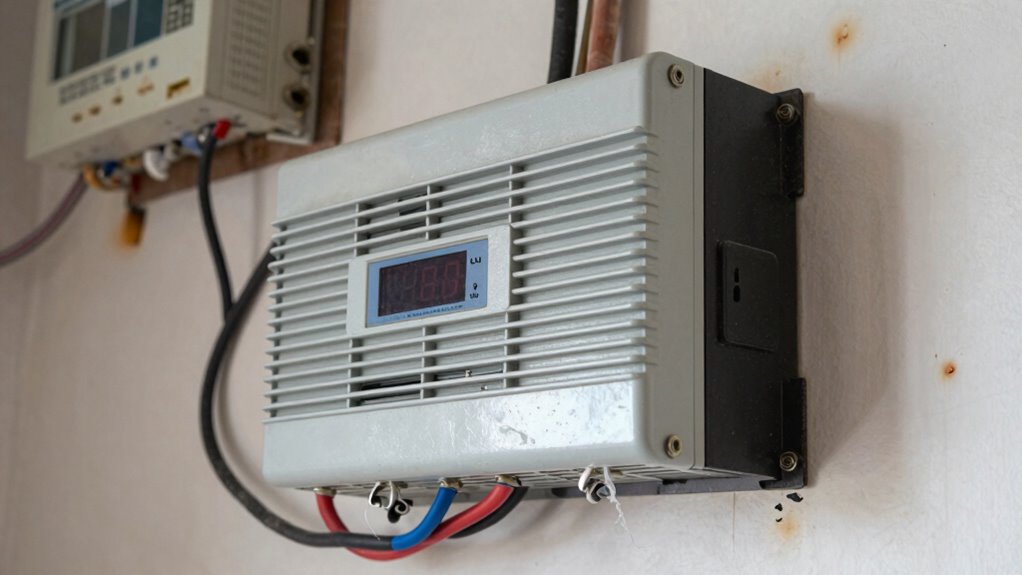
Have you noticed your inverter keeps tripping unexpectedly? To troubleshoot, start by checking your battery capacity—if it’s too low, the inverter may overwork and trip. Next, review your inverter placement; ensure it’s in a cool, well-ventilated spot away from heat and dust. Inspect the wiring for loose connections or damage. Verify that your connected devices don’t exceed the inverter’s load capacity. Finally, monitor if the inverter trips during specific times or loads, which might reveal overloads or short circuits.
- Check battery capacity and state of charge
- Ensure proper inverter placement for cooling
- Inspect wiring and connections
- Confirm load doesn’t exceed capacity
- Observe patterns during trips for clues
Frequently Asked Questions
Can Inverter Settings Cause Frequent Trips Unexpectedly?
Yes, inverter settings can cause frequent trips unexpectedly. If your settings are too sensitive, they might trigger trips during minor voltage fluctuations or battery overloads. Adjusting the inverter’s sensitivity levels can help prevent unnecessary trips. Keep an eye on voltage fluctuations and make sure your battery capacity matches your power needs. Properly calibrated settings allow your inverter to handle normal variations without shutting down, ensuring consistent power supply.
Do Inverter Brand Differences Affect Trip Frequency?
Yes, inverter brand differences can affect trip frequency. Higher-quality brands often feature better inverter design, which helps prevent trips caused by overloads or electrical faults. Cheaper or less reputable brands might not have advanced protective features, leading to more frequent trips. You should choose an inverter with reliable brand quality and robust design, ensuring it handles your power needs efficiently and reduces the chances of unnecessary tripping.
How Do Inverter Protective Features Influence Trip Triggers?
Inverter protective features play a key role in avoiding trips caused by circuit overload or thermal shutdown. When your inverter detects excessive load, it triggers the overload protection, shutting down to prevent damage. Similarly, if it overheats, thermal shutdown activates to safeguard internal components. These safeguards ensure your inverter operates safely, but they can cause trips if your load exceeds capacity or if ventilation is poor.
Are There Specific Appliances That Increase Inverter Trip Risk?
Certain appliances increase your inverter’s trip risk, especially those causing power surges or overloads. Heavy-duty appliances like refrigerators, air conditioners, and microwave ovens draw high starting currents, triggering overload protection. Power surges from hair dryers or power tools also stress the inverter, leading to trips. To prevent this, verify your inverter can handle the startup loads and protect against sudden surges, maintaining a steady power flow and avoiding unnecessary shutdowns.
Does Inverter Placement Impact Its Trip Stability?
Yes, inverter placement considerably impacts its trip stability. You should position your inverter in an area with stable environmental factors, avoiding excessive heat, humidity, or dust. Proper placement ensures adequate ventilation and reduces the risk of overheating or electrical faults. Keep it away from direct sunlight and moisture, and ensure it’s on a flat, stable surface. Good placement minimizes environmental stressors, helping your inverter operate smoothly without tripping frequently.
Conclusion
Remember, an ounce of prevention is worth a pound of cure. Regularly check your wiring, keep your inverter clean, and monitor its environment. Don’t ignore signs of wear or overheating, as these often lead to trips. By staying proactive and understanding the hidden causes, you can keep your inverter running smoothly. After all, taking small steps today can save you big headaches tomorrow. Stay vigilant, and your inverter will serve you well.