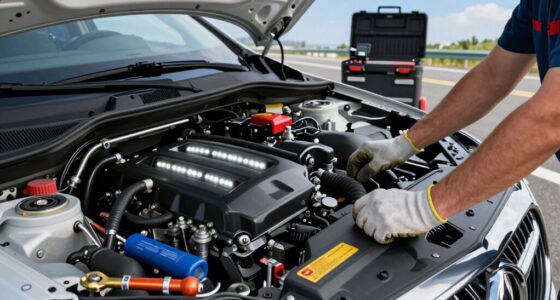
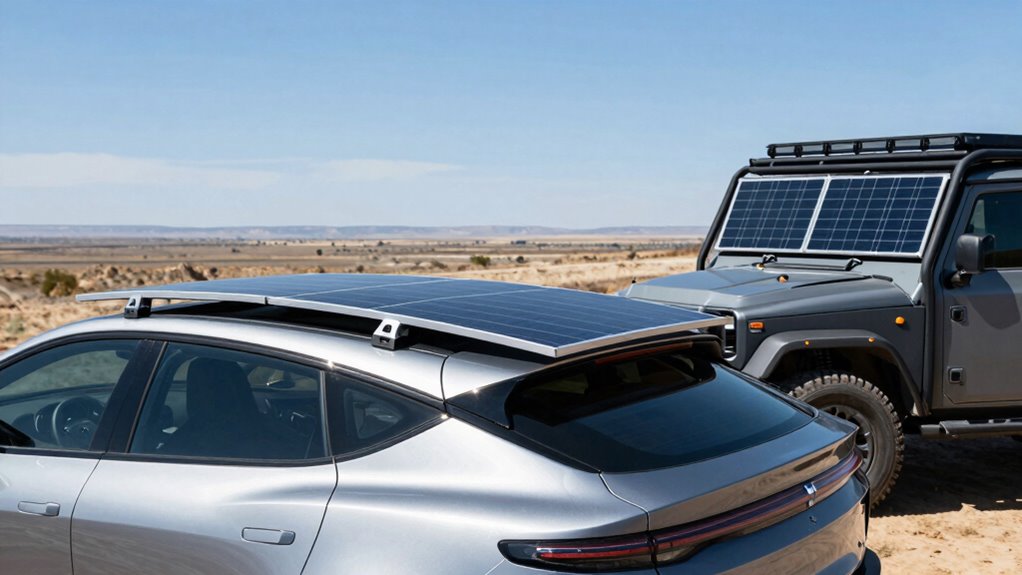

If you’re on the road, flexible solar panels usually make more sense because they’re lightweight, easy to install, and can contour to curved or uneven surfaces without drilling. They’re ideal for quick setups and mobile use, though they may be less durable in harsh weather. Rigid panels are sturdier and more efficient long-term but are heavier and less adaptable to irregular shapes. To find out which option best suits your needs, explore the details ahead.

Get travel and outdoor gear delivered free with Prime
- Fast, free delivery on millions of items
- Prime Video, Amazon Music and more included
- Member-only deals all year
Key Takeaways
- Flexible panels are easier to install on curved surfaces and are ideal for mobile or irregular RV roofs.
- Rigid panels generally offer better durability and efficiency for long-term, stationary installations.
- Flexible panels are lightweight and less prone to impact damage, suitable for dynamic or rough-road conditions.
- Rigid panels provide superior weather resistance and longevity in harsh climates over extended periods.
- Cost, installation complexity, and environmental factors should guide the choice based on mobility and budget needs.
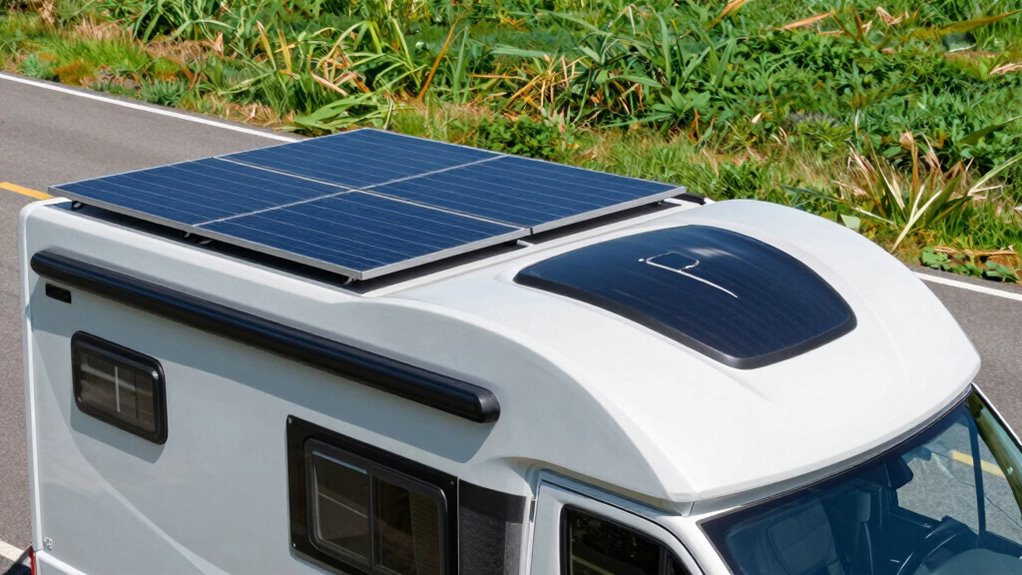
When choosing between flexible and rigid solar panels, understanding their key differences can help you make an informed decision. If you’re considering solar power for your RV, camper, or other mobile setups, the mounting options and durability factors become especially important. Flexible panels are designed to contour to curved surfaces, making them versatile for various mounting scenarios. You can stick them directly onto the roof, wrap them around irregular shapes, or install them on uneven surfaces without much hassle. Rigid panels, on the other hand, typically require a flat, stable surface for installation, often involving mounting brackets or frames. This means you need a smooth, even roof to secure them properly, but once mounted, they tend to stay put firmly.
Durability factors also play a vital role in your choice. Flexible solar panels are lightweight and less prone to damage from impacts or vibrations, making them suitable for mobile environments where movement is constant. However, they might be more susceptible to wear from prolonged exposure to harsh weather conditions like hail or heavy snow. Rigid panels are generally more robust, thanks to their solid glass coverings and sturdy frames. They can withstand most weather elements better over time, which can be a significant advantage if you’re traveling through diverse climates. That said, rigid panels are heavier and more brittle, so if you hit a rough patch or an impact, there’s a higher chance of cracking or breaking. Additionally, understanding their weather resistance can help you choose the right panel for different climates, ensuring better longevity and performance. Considering the materials used in each type can also inform your durability expectations.
Another aspect to consider is how each type handles flexibility and installation ease. Flexible panels are easier to install because they don’t require drilling into your roof, reducing the risk of leaks or damage. You can often secure them with adhesive or clips, which saves time and effort. Rigid panels demand more precise mounting, but once installed, they typically have a longer lifespan and maintain higher efficiency levels over time. This durability makes rigid panels a popular choice for long-term stationary installations, but on the road, their rigidity can limit your options for quick adjustments or repositioning.
Additionally, the cost difference between the two panel types can influence your decision, especially if you’re working within a budget. Both types have their strengths, but understanding how they differ in mounting options and durability factors ensures you pick the right solar setup for your mobile adventures.
As an affiliate, we earn on qualifying purchases.
Frequently Asked Questions
How Do Flexible and Rigid Panels Compare in Extreme Weather Conditions?
Flexible panels generally handle extreme weather better due to their material flexibility, allowing them to bend and absorb impacts without cracking. Rigid panels, made from glass and aluminum, tend to be more durable in harsh conditions but are more prone to cracking or breaking under heavy impacts or extreme temperature changes. Consider durability comparisons and material flexibility when choosing panels for your vehicle, especially if you face severe weather frequently.
Can Flexible Panels Be as Durable as Rigid Panels Over Time?
Can flexible panels really match the durability of rigid ones over time? You might worry about durability concerns, but advancements in material longevity have boosted flexible panels’ lifespan. While they’re more prone to scratches and wear, proper care and high-quality materials can make them quite resilient. Ultimately, flexible panels can be as durable as rigid ones if you choose quality products and maintain them well, ensuring your investment lasts longer.
Are Flexible Solar Panels More Prone to Damage From Debris?
Yes, flexible solar panels are more prone to damage from debris because their material flexibility often makes their surface less durable. Unlike rigid panels with tough, impact-resistant surfaces, flexible panels can bend and absorb impacts more easily, which might lead to surface damage over time. If you travel through rough terrains, you should consider the surface durability of flexible panels and take extra care to protect them from debris.
What Are the Maintenance Requirements for Each Panel Type?
Sure, flexible panels are the diva of low maintenance—just a gentle wipe keeps them happy, and installation is a breeze. Rigid panels, on the other hand, demand a bit more fuss with periodic cleaning, checking for cracks, and secure mounting. When it comes to cost comparison, flexible panels save you installation time but might cost more long-term. Either way, regular upkeep keeps your solar setup performing at its best, no drama needed.
How Do Flexible Panels Impact Vehicle Weight and Fuel Efficiency?
Flexible panels are lighter than rigid ones, which can improve your vehicle’s fuel efficiency by reducing overall weight. While they may have a slightly higher upfront cost, their ease of installation avoids many challenges associated with rigid panels, like mounting difficulties. This weight reduction boosts efficiency, and their adaptability makes them a smart choice, especially if minimizing vehicle weight and simplifying installation are priorities.
Conclusion
When choosing between flexible and rigid solar panels, it’s clear there’s no one-size-fits-all answer—you’ve got to weigh your needs and the road ahead. Flexible panels offer adaptability and lightweight convenience, perfect for uneven surfaces. Rigid panels, on the other hand, deliver durability and higher efficiency. Ultimately, it’s about finding the best fit for your journey. Remember, the right choice can make all the difference, so don’t overlook the forest for the trees. Safe travels!
Fall Picks
fall essentials
As an affiliate, we earn on qualifying purchases.