

TL;DR

Get travel and outdoor gear delivered free with Prime
- Fast, free delivery on millions of items
- Prime Video, Amazon Music and more included
- Member-only deals all year
A durable backpack for students combines tough materials like high-denier nylon, reinforced stitching, and sturdy zippers. Recent innovations include eco-friendly fabrics and smart features that boost longevity and functionality. Investing in quality saves money and stress in the long run.
Imagine a backpack that bears the weight of your entire school life—textbooks, laptops, gym gear—without falling apart. That’s what a truly durable backpack does. It’s not just about resisting tears; it’s about standing up to daily chaos, weather, and even the odd drop.
Choosing the right one can feel overwhelming. With so many options, how do you know which backpack will last? This guide cuts through the noise, sharing what makes a backpack durable, the latest innovations, and practical tips to find your perfect match.
Prioritize high-denier nylon or ballistic fabrics for maximum toughness.
Reinforced stitching and quality zippers are key indicators of durability.
Recent trends include eco-friendly materials and tech features that extend backpack lifespan.
Regular care and proper storage greatly prolong your backpack’s life.
Read real reviews and inspect features before buying to avoid surprises.
What Materials Make a Backpack Last Longer?
The first step to a durable backpack is the fabric. High-denier nylon and ballistic nylon are like armor for your gear. They resist tears, abrasions, and even water splashes.
For example, a 1680-denier ballistic nylon backpack can withstand rough handling on a crowded bus or a spilled coffee without showing wear. Water-resistant coatings add another layer of protection, keeping your books dry during sudden rainstorms.
In contrast, standard polyester might start fraying after a few months of daily use. So, look for materials labeled as “high-denier” or “ballistic” for real longevity.
Choosing these durable fabrics is crucial because they directly impact how well the backpack holds up over time. However, higher-denier materials can sometimes add weight, which may reduce comfort for daily carrying. This tradeoff means you need to balance durability with portability. Additionally, consider whether the fabric has a waterproof coating or treatment—this can be a game-changer in protecting your belongings from the elements, especially if you live in a rainy climate. The right fabric choice affects not just longevity but also how your backpack performs in different weather conditions and daily scenarios.
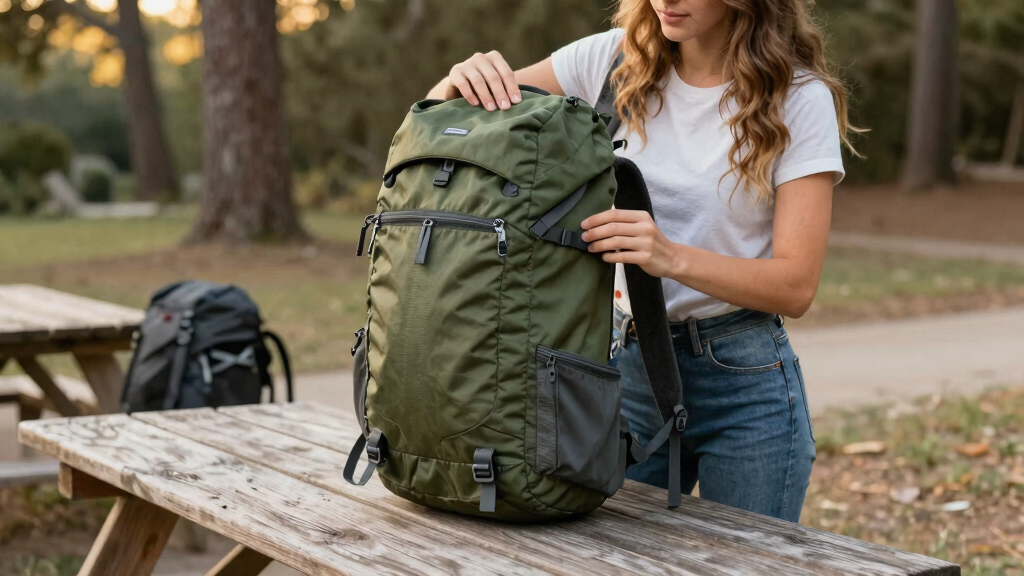
durable student backpack high-denier nylon
As an affiliate, we earn on qualifying purchases.
As an affiliate, we earn on qualifying purchases.
How Reinforced Stitching and Quality Zippers Boost Durability
The way a backpack is sewn together is just as critical as the fabric. Reinforced seams and double-stitching are techniques that distribute stress more evenly across the material, particularly at high-stress points like strap attachments, corners, and load-bearing areas. This distribution reduces the likelihood of rips or tears, especially when carrying heavy items or using the backpack daily over months.
For example, a backpack with reinforced stitching at strap points prevents the straps from tearing away from the main body after repeated use. This construction detail means the backpack can handle the rigors of daily school life without failing prematurely. While these features might slightly increase initial cost or weight, they significantly extend the lifespan, making them a smart investment.
Similarly, high-quality zippers, especially those from reputable brands like YKK, are essential. Heavy-duty zippers resist jamming and breaking, which are common points of failure. A broken zipper often renders an otherwise sturdy backpack unusable, leading to early disposal. Therefore, prioritizing durable zippers ensures the backpack remains functional and reliable over time. For instance, a student who uses their backpack daily for heavy loads benefits greatly from zippers that won’t jam or break. Reading reviews and inspecting the hardware can reveal whether the zippers are built to last, and choosing models with robust hardware minimizes the risk of inconvenience and replacement costs.
Compare Top Features of the Most Durable Backpacks
| Feature | High-Denier Nylon | Eco-Friendly Recycled Fabrics | Smart Tech Integration |
|---|---|---|---|
| Material Toughness | Very high | High, with sustainability focus | Depends on tech features |
| Water Resistance | Usually water-resistant | Often treated for water resistance | May include waterproof compartments |
| Durability Certifications | Mil-Std, ISO | Eco-labels + standards |
Choosing among these depends on your priorities: ruggedness, eco-friendliness, or tech features. For instance, a student who commutes daily in rain benefits from water-resistant high-denier nylon, which offers superior durability and weather resistance. Eco-conscious students might prefer recycled fabrics that, while offering comparable durability, reduce environmental impact. Tech features like waterproof compartments or built-in charging ports can enhance usability but may introduce new points of failure if not designed properly. Understanding these features helps you evaluate the tradeoffs: high-denier nylon provides unmatched toughness but might be less eco-friendly, whereas recycled fabrics support sustainability but may require more careful maintenance. Tech integrations can add convenience but also complexity, so consider how these features align with your needs and how they impact overall durability and longevity.
How to Pick the Most Long-Lasting Backpack in 5 Easy Steps
- Check the fabric: Opt for high-denier nylon or ballistic materials, as these resist tearing and abrasion better than standard fabrics, directly influencing how long your backpack lasts under daily stress.
- Inspect stitching: Reinforced, double-stitched seams at stress points prevent rips and tears, especially at strap attachments and corners, which are common failure points in lesser-quality backpacks.
- Test zippers: Ensure they glide smoothly and are heavy-duty, as zippers are often the first hardware to fail. High-quality zippers from brands like YKK are more resistant to jamming and breaking, greatly extending the backpack’s usability.
- Review straps and padding: Padded, adjustable straps help distribute weight evenly, reducing strain on the fabric and seams, and prolonging overall durability.
- Read reviews: Find feedback from other students on real-world durability. Verified reviews often reveal how the backpack performs over months or years, helping you avoid models prone to early failure.
Imagine a student shopping online. They see two backpacks, but one has thousands of reviews praising its toughness. They check the fabric and zippers—sure enough, it’s reinforced and water-resistant. That’s their winner, as it’s more likely to withstand daily wear and tear.
However, keep in mind that the cheapest options might cut corners on quality, leading to shorter lifespan. Balancing price and durability is essential. Prioritize those with verified reviews highlighting long-term use, and don’t rely solely on brand names—real-world performance from reviews is the best indicator of longevity.
Latest Trends in Durable Student Backpacks
Recent innovations are reshaping what durability means. Eco-friendly fabrics made from recycled plastic bottles now stand shoulder-to-shoulder with traditional materials. Brands like Patagonia and North Face lead this shift, offering backpacks that last and help the planet. These materials often involve tradeoffs—while they are designed for durability, they may be slightly less resistant to certain types of wear compared to high-denier nylon, or may require specific care to maintain their eco-friendly coating.
Smart backpacks are also gaining ground. Imagine a backpack with a built-in USB port for charging your phone or RFID pockets to block thieves. These features extend usability and reduce the risk of damage from theft or mishandling, but they can also introduce weak points if not well-made. For example, waterproof compartments need to be properly sealed to maintain their water resistance over time. Ergonomic designs with ventilation systems and adjustable straps distribute weight evenly, preventing strain and premature wear. These advancements turn a simple backpack into a long-lasting, tech-savvy companion. Yet, they often come with higher costs or added weight, which could influence durability in terms of wear and tear. Understanding how these innovations impact overall durability helps you choose a backpack that fits your lifestyle and longevity expectations without sacrificing quality.
What You Need to Know About Maintaining a Durable Backpack
Keeping your backpack in top shape is simple but essential. Regular cleaning with mild soap and avoiding overloading prevents material breakdown and stress on seams and zippers. Overloading can cause seams to stretch or tear, and dirt or grime can wear down fabric fibers, reducing overall lifespan.
Store it in a dry, cool place when not in use. Check zippers and seams periodically—repair small tears or loose stitches before they turn into bigger problems. Small repairs extend the life of the backpack significantly and prevent minor issues from becoming major failures.
For example, a student who rinses out their backpack monthly and keeps it out of direct sunlight will notice it lasts much longer than one left in a damp closet or stuffed to bursting. Proper storage and maintenance are simple yet effective ways to maximize durability.
Additionally, understanding how to care for different materials can extend your backpack’s lifespan. High-denier nylon may require specific cleaning methods to preserve water resistance, such as avoiding harsh chemicals, while recycled fabrics might need gentle handling to prevent fraying. Investing a little time in maintenance—like cleaning, inspecting, and repairing—can significantly prolong your backpack’s usefulness, saving money and reducing waste in the long run.
Frequently Asked Questions
What materials are best for a durable student backpack?
High-denier nylon, ballistic nylon, and heavy-duty polyester top the list. They resist tears, abrasions, and water, making them perfect for daily use.
How can I tell if a backpack is truly durable?
Check for reinforced seams, high-quality zippers (like YKK), and read user reviews about longevity. Physical inspection for sturdy fabric and stitching also helps.
Are expensive backpacks worth the investment?
Generally, yes. Higher price often correlates with better materials and construction, meaning they last longer and save you money over time.
What features should I prioritize for durability?
Reinforced seams, water-resistant fabrics, heavy-duty zippers, padded straps, and quality hardware are the essentials.
How do I maintain and care for a durable backpack?
Clean it regularly, store it in a dry place, avoid overloading, and repair small damages promptly. Proper care extends its lifespan significantly.
Conclusion
In the end, a truly durable backpack is an investment. It’s the one piece that carries your entire day—every book, laptop, and snack. Choosing wisely means fewer replacements, less waste, and a happier, stress-free school year.
Imagine your perfect backpack—robust, comfortable, and built to last. Now, go find it. Because your school life deserves gear that can keep up with you.
Fall Picks
fall essentials
As an affiliate, we earn on qualifying purchases.