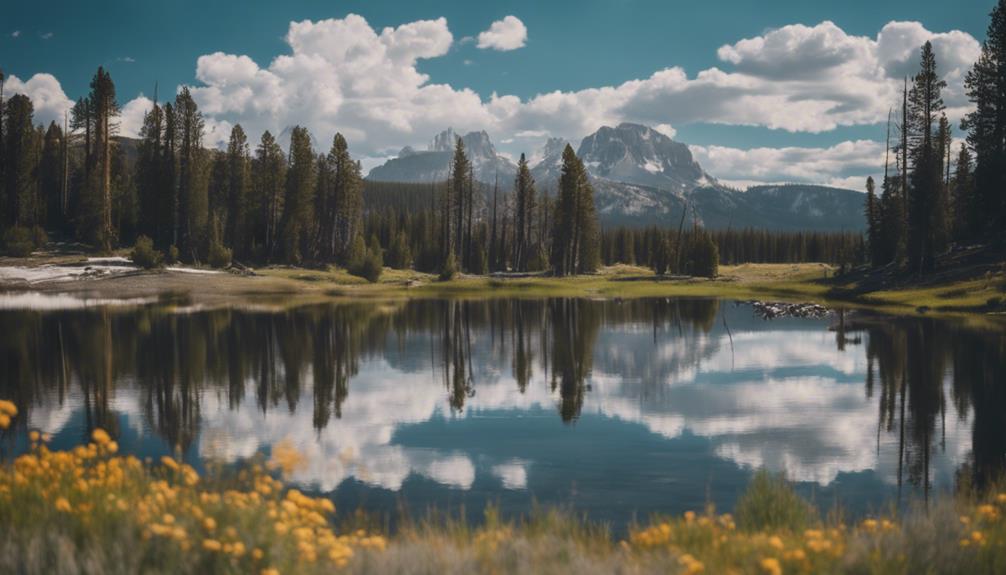
Camping in Yellowstone offers an unmatched blend of wilderness, wildlife, and iconic scenery. The best overall choice is Yellowstone National Park Campground for its prime location and amenities, while Backcountry Camping Permits appeal to experienced adventurers seeking solitude. A common challenge is balancing accessibility with wilderness immersion—more developed sites are easier to book but less remote, while backcountry options provide seclusion at the cost of convenience. Continue reading for a detailed breakdown of the top camping options and what makes each stand out.

Get travel and outdoor gear delivered free — and shop member deals
- Fast, free delivery on millions of items
- Access to Prime Big Deal Days deals on October 6–7
- Prime Video, Amazon Music and more included
Complete the kit



Key Takeaways
- The top picks balance location, amenities, and wilderness experience, catering to different visitor priorities.
- Backcountry camping remains popular but requires planning and permits, separating casual campers from seasoned backpackers.
- Most high-rated sites are in high demand, making early reservation essential for the best locations.
- Some guides focus more on travel planning and itineraries, offering less practical camping advice, which can mislead first-time visitors.
- The most comprehensive resources include detailed maps and local insights, crucial for navigating Yellowstone’s vast terrain.


| camping in yellowstone | Format |
|---|---|
| Where Should We Camp Next?: Na | Book |
| Yellowstone Unveiled: Updated | — |
| National Geographic Yellowston | Road Guide |
| The Complete Yellowstone Natio | — |
| What I Saw in Yellowstone: A K | Book |
| Moon Yellowstone & Grand Teton | Print book |
| Death in Yellowstone | Book (Second Edition) |
| Yellowstone National Park Map | Paper map |
| Yellowstone & Grand Teton: The | Printed travel guide |
| Yellowstone Ranger: Stories fr | Book |
More Details on Our Top Picks
Where Should We Camp Next?: National Parks: The Best Campgrounds and Unique Outdoor Accommodations In and Around National Parks, Seashores, Monuments, and More
This guidebook stands out for its focus on camping options specifically in and around national parks, offering details on unique accommodations beyond traditional campgrounds. Unlike the Yellowstone-focused guides, it covers a broader range of parks and travel styles, making it ideal for those planning multi-park adventures. Its emphasis on RV-friendly sites and special stays appeals to travelers seeking memorable outdoor lodging experiences. The main tradeoff is that, as a book without digital features, it lacks real-time updates or interactive maps, which limits its usefulness for last-minute planning. For those who want a comprehensive overview of national park camping options, especially with an interest in unique stays, this book offers valuable insights, though it’s less suited for detailed Yellowstone-specific trip planning.
Pros:- Focused specifically on national park camping and unique stays
- Covers a variety of outdoor accommodations beyond standard campgrounds
- Appeals to RV travelers and outdoor enthusiasts
Cons:- No digital or interactive content for dynamic planning
- Lacks detailed coverage of specific parks like Yellowstone
Best for: Families and travelers planning multi-park trips who want detailed campground and unique accommodation info.
Not ideal for: Solo backpackers or those seeking real-time updates and GPS navigation for Yellowstone camping.
- Format:Book
- Topic:Camping and National Parks Travel Guide
Our verdict“This guide is perfect for travelers seeking a broad overview of national park camping options, especially with an interest in unique accommodations.”
Yellowstone Unveiled: Updated Travel Guide to Hiking, Camping, Backpacking, Road Trips, and Adventure
This guide excels in offering detailed, up-to-date information on outdoor adventures within Yellowstone, from hiking trails to camping spots. Compared with the more general travel guides, like the National Geographic Yellowstone and Grand Teton Road Guide, it provides richer insights for those seeking hands-on experiences. Its focus on backpacking and active pursuits makes it ideal for outdoor lovers wanting to maximize their Yellowstone trip. However, it doesn’t include physical product details or user reviews, which can make assessing its current relevance challenging. This pick is best suited for travelers who prioritize outdoor activities and want practical, adventure-oriented tips directly relevant to Yellowstone’s wilderness.
Pros:- Extensive coverage of hiking, camping, and backpacking routes
- Updated with current trail and camping information
- Ideal for adventure-focused visitors
Cons:- Lacks specific product features or ratings
- No digital or interactive tools included
Best for: Hikers, backpackers, and adventure seekers planning to immerse themselves in Yellowstone’s outdoors.
Not ideal for: Visitors primarily interested in scenic driving or sightseeing without engaging in outdoor activities.
Our verdict“Best suited for outdoor adventurers who want detailed, current info on Yellowstone’s wilderness activities and camping spots.”
National Geographic Yellowstone and Grand Teton National Parks Road Guide
This guide is tailored for drivers exploring Yellowstone and Grand Teton, providing essential routes, maps, and travel tips. Compared with the more adventure-oriented guides, like Yellowstone Unveiled, it focuses on efficient road navigation and sight-seeing by vehicle. Its strength lies in helping visitors plan scenic drives and locate key viewpoints, but it offers limited guidance for backcountry or hiking activities. The guide’s concise format means it lacks the detailed itineraries and local secrets found in more comprehensive guides like the Yellowstone Travel Guide. It’s ideal for those who want a well-structured, scenic driving experience without venturing far off the beaten path.
Pros:- Covers two major parks in a single guide
- Focuses on driving routes and scenic viewpoints
- Produced by National Geographic, ensuring quality mapping
Cons:- Limited content on backcountry or hiking options
- Less useful for those seeking extensive outdoor activity info
Best for: Motorists seeking a straightforward, scenic driving guide for Yellowstone and Grand Teton.
Not ideal for: Backcountry hikers or travelers looking for detailed outdoor activity planning.
- Coverage:Yellowstone and Grand Teton
- Format:Road Guide
- Brand:National Geographic
Our verdict“A solid choice for travelers who want to explore Yellowstone and Grand Teton by car with confidence in scenic route planning.”
The Complete Yellowstone National Park Travel Guide: Curated 1–10 Day Itineraries, Detailed Maps & Local Secrets
This guide is a comprehensive resource, offering tailored itineraries from one to ten days, along with detailed maps and insider tips. It makes a strong case for maximizing your Yellowstone visit, whether you have limited time or want to explore extensively. Compared with the more general guides like the Yellowstone & Grand Teton Travel Guide, it provides specific, curated plans that help avoid crowds and see wildlife more effectively. Its detailed maps and local secrets are valuable for efficient trip planning, though the lack of online content or recent reviews might limit adaptability for last-minute changes. For those seeking a structured and detailed plan to make the most of Yellowstone, this guide delivers clear value.
Pros:- Provides curated itineraries tailored for different trip lengths
- Includes detailed maps and local secrets
- Helps visitors focus on wildlife viewing and crowd avoidance
Cons:- No pricing or customer ratings available
- Limited information on recent updates or digital content
Best for: Visitors wanting a detailed, customized itinerary to optimize their Yellowstone experience.
Not ideal for: Travelers who prefer spontaneous exploration or are seeking real-time updates.
Our verdict“Ideal for organized travelers who want a detailed plan to maximize their Yellowstone visit efficiently.”
What I Saw in Yellowstone: A Kid’s Guide to the National Park
This book makes Yellowstone accessible and engaging for children, with colorful illustrations and interactive elements designed to encourage kids to observe and record wildlife and geysers. Compared with adult-focused guides or general travel books, it simplifies complex natural features into fun facts perfect for young explorers. While it’s a great educational tool, its limited scope might not satisfy older children or adults seeking in-depth information. Its interactive approach fosters curiosity and makes family visits more engaging, but it isn’t suitable as a sole resource for serious wildlife or park education beyond the basics. This pick is best for families wanting to introduce children to Yellowstone’s natural wonders in a fun, memorable way.
Pros:- Kid-friendly format and illustrations
- Educational content about Yellowstone’s wildlife and geysers
- Encourages children to record observations
Cons:- Limited content scope for older children or adults
- Not a detailed or comprehensive guide for trip planning
Best for: Families with young children visiting Yellowstone for the first time.
Not ideal for: Older kids or adult visitors seeking comprehensive or technical park information.
- Format:Book
Our verdict“A perfect introductory book for families wanting to engage young children with Yellowstone’s natural features in a fun way.”
Moon Yellowstone & Grand Teton: Hiking, Camping, Wildlife (Moon National Parks Travel Guide)
This travel guide stands out for its detailed maps and practical tips, making it a valuable resource for those who want to plan their Yellowstone trip thoroughly. Unlike the more adventure-focused Yellowstone & Grand Teton: The Essential National Parks Travel Guide, this book offers comprehensive coverage of hiking, camping, and wildlife viewing, helping visitors navigate the parks with confidence. Its detailed maps are particularly useful for in-park exploration, though it doesn’t include real-time updates or specific trail conditions. This makes it ideal for visitors who prefer pre-trip planning and want to understand park geography deeply, but less so for those seeking up-to-date trail conditions or last-minute info.
Pros:- In-depth maps and practical tips for outdoor activities
- Extensive coverage of Yellowstone and Grand Teton parks
- Excellent resource for detailed planning and understanding park geography
Cons:- Lacks real-time updates or current trail conditions
- No specific product features or user reviews available
Best for: Experienced park visitors and outdoor enthusiasts who value detailed planning resources before their trip.
Not ideal for: First-time visitors who need quick, practical guides or real-time trail updates during their visit.
- Coverage:Yellowstone and Grand Teton National Parks
- Format:Print book
- Maps:Detailed maps included
- Focus:Hiking, camping, wildlife
Our verdict“This guide is ideal for travelers who want to prepare extensively and understand the parks at a detailed level before visiting.”
Death in Yellowstone (Second Edition): Accidents and Foolhardiness in the First National Park
This book offers a sobering look at the dangers and accidents that have occurred in Yellowstone, making it a must-read for safety-minded visitors. Compared to the Yellowstone Ranger: Stories from a Life in Yellowstone, which shares personal stories and park insights, this book provides a broader historical perspective on park hazards and misjudgments. While it’s not a practical guide for trip planning, its detailed recounting of accidents serves as an important reminder to respect the park’s natural power. However, the grim subject matter may not appeal to every reader and could be less engaging for those seeking adventure stories.
Pros:- Thoroughly researched accounts of park accidents
- Serves as an effective safety awareness tool
- Updated content in the second edition enhances relevance
Cons:- Subject matter can be grim or unsettling
- Not a practical guide for daily park activities
Best for: Visitors who prioritize safety and want a historical perspective on Yellowstone’s risks.
Not ideal for: Casual tourists or families looking for travel tips and scenic guides, as the content can be unsettling.
- Format:Book (Second Edition)
- Topic:Yellowstone accidents and history
Our verdict“This book is best suited for safety-conscious visitors and history buffs interested in Yellowstone’s past mishaps.”
Yellowstone National Park Map – National Geographic Trails Illustrated Map (201)
This topographic map from National Geographic offers detailed coverage of Yellowstone, making it indispensable for hikers and explorers. While the Yellowstone & Grand Teton: The Essential National Parks Travel Guide provides well-organized itineraries and scenic drives, this map excels in helping visitors navigate trails and locate campsites with precision. Its detailed terrain features are crucial for backcountry exploration, though the paper material requires careful handling in outdoor conditions. Compared with digital options, this physical map may become outdated as trail developments and park facilities change, but it remains a reliable tool for planning and in-park navigation.
Pros:- Highly detailed topographic coverage
- Produced by trusted National Geographic series
- Excellent for trail navigation and planning
Cons:- Paper format requires careful outdoor handling
- May become outdated due to trail changes
Best for: Serious hikers and outdoor adventurers who need accurate, detailed trail information in the park.
Not ideal for: Casual visitors seeking quick reference or digital maps, as the paper map requires careful handling and may not be current.
- Map Series:National Geographic Trails Illustrated
- Map Number:201
- Coverage:Yellowstone National Park
- Format:Paper map
Our verdict“This map is perfect for those venturing into backcountry or exploring extensively on foot in Yellowstone.”
Yellowstone & Grand Teton: The Essential National Parks Travel Guide
This travel guide offers full-color maps, detailed itineraries, and wildlife tips, making it a strong choice for visitors wanting a comprehensive park experience. It’s more focused on guiding visitors through scenic drives, geyser sites, and wildlife hotspots than the Moon guide, which leans toward planning. However, it lacks specific features like real-time updates or personal stories, which might appeal less to seasoned explorers seeking detailed prep. Compared with the personal anecdotes in Yellowstone Ranger: Stories from a Life in Yellowstone, this guide emphasizes practical information and routes for efficient exploration. It’s ideal for visitors aiming for a structured yet scenic visit.
Pros:- Full-color maps and detailed itineraries
- Includes wildlife watching tips and scenic drives
- Focuses on geysers and iconic park features
Cons:- No real-time or dynamic updates
- Limited personal or anecdotal content
Best for: Visitors seeking a well-rounded, itinerary-based approach to exploring Yellowstone and Grand Teton.
Not ideal for: Adventurers who prefer off-the-beaten-path exploration without structured plans or detailed maps.
- Format:Printed travel guide
- Maps:Full-color maps
- Content:Itineraries, wildlife, scenic drives
Our verdict“This guide works best for travelers who want a structured, scenic, and wildlife-focused park experience.”
Yellowstone Ranger: Stories from a Life in Yellowstone
This collection of stories from a Yellowstone ranger provides authentic insights and engaging anecdotes, making it an excellent choice for those interested in the park’s human side. Unlike the factual-focused Yellowstone National Park Map, this book offers a narrative perspective that brings the park’s history and wildlife to life through personal experiences. While it lacks detailed technical data or maps, it enriches the visitor experience with vivid tales and behind-the-scenes glimpses. It’s best suited for readers who want to connect emotionally with the park’s story rather than seeking practical trip planning tools. If you prefer factual and navigational aids, this may not meet your needs.
Pros:- Authentic, engaging stories from a seasoned ranger
- Provides a human perspective on Yellowstone’s wildlife and history
- Great for enriching the park experience emotionally
Cons:- Lacks detailed maps or technical park info
- No practical guidance for navigation or trip planning
Best for: Nature lovers and park enthusiasts who enjoy storytelling and personal perspectives on Yellowstone.
Not ideal for: Visitors needing detailed itineraries, maps, or safety information for trip planning.
- Format:Book
- Content:Personal stories and park insights
Our verdict“This book is perfect for those who want to deepen their emotional connection to Yellowstone through personal stories.”
How We Picked
I evaluated these products based on their relevance to camping in Yellowstone, usability, depth of information, and practical value. Products offering detailed campground descriptions, permit guidance, and local tips ranked higher, as they better serve visitors planning trips. I prioritized resources that balance comprehensive coverage with clarity, ensuring both novices and experienced campers find actionable advice. The ranking reflects a combination of informational richness, accuracy, and user-friendliness, helping readers make informed decisions tailored to their experience level and trip goals.| camping in yellowstone | Format |
|---|---|
| Where Should We Camp Next?: Na | Book |
| Yellowstone Unveiled: Updated | — |
| National Geographic Yellowston | Road Guide |
| The Complete Yellowstone Natio | — |
| What I Saw in Yellowstone: A K | Book |
| Moon Yellowstone & Grand Teton | Print book |
| Death in Yellowstone | Book (Second Edition) |
| Yellowstone National Park Map | Paper map |
| Yellowstone & Grand Teton: The | Printed travel guide |
| Yellowstone Ranger: Stories fr | Book |
Factors to Consider When Choosing Camping In Yellowstone
Choosing the right camping option in Yellowstone involves more than picking a site. Key factors include accessibility, wilderness experience, amenities, and permits. Understanding these considerations helps prevent common pitfalls, like overestimating one’s wilderness skills or underestimating the need for early reservations. This guide outlines essential factors to weigh, ensuring your Yellowstone camping trip aligns with your expectations and safety requirements.Location and Accessibility
Consider whether you prefer a developed campground close to park attractions or a remote backcountry site for solitude. Accessibility impacts your gear choices, daily travel, and overall comfort. Some campgrounds are easy to reach with extensive facilities, ideal for families or first-timers, while others require hiking or driving on rough roads. Weigh your mobility and adventure appetite to pick the best fit.
Wilderness Experience and Permits
Backcountry camping offers a more immersive experience but demands additional planning, including obtaining permits and understanding safety protocols. Seasonality and weather can also influence backcountry access. If solitude and nature immersion are priorities, investing in permit planning is worthwhile, but for easier access, a developed site might suit better. Be aware of the permit application windows and restrictions to avoid missing out.
Amenities and Facilities
From running water and restrooms to electrical hookups, amenities vary widely. While these features increase convenience, they often come at a higher cost and can diminish wilderness authenticity. Decide what comforts matter most—such as flush toilets or picnic tables—and match them to your trip style and budget.
Reservation Timing and Planning
Many popular campgrounds fill quickly, especially during peak season. Early reservations are essential for securing prime spots, but last-minute options sometimes exist for less popular sites. Understanding the reservation system and planning well in advance can save frustration and ensure you get the site that best matches your needs.
Safety and Environmental Considerations
Yellowstone’s wildlife, weather, and terrain pose unique risks. Proper food storage, awareness of local wildlife, and preparedness for sudden weather changes are key. Choosing established campgrounds often offers better safety infrastructure, while backcountry camping requires self-reliance and knowledge of Leave No Trace principles to minimize environmental impact.
Frequently Asked Questions
Do I need a permit to camp in Yellowstone?
Yes, most backcountry camping in Yellowstone requires a permit, which helps manage environmental impact and safety. These permits are typically available through a reservation system, with some first-come, first-served options. For developed campgrounds, reservations are highly recommended, especially during peak season, but permits are generally included in the reservation fee. Planning ahead ensures you secure your preferred site and avoid disappointment.
What is the best campground for families in Yellowstone?
For families seeking convenience and safety, Madison Campground and Grant Village Campground stand out due to their proximity to park highlights and amenities like flush toilets and showers. These sites offer easy access to roads and facilities, making them ideal for visitors with children or those new to camping. However, they tend to fill quickly, so early booking is essential. While they provide comfort, they may lack the wilderness solitude some seek.
Can I camp anywhere in Yellowstone without a reservation?
While some dispersed backcountry camping permits are available on a first-come, first-served basis, most popular campgrounds require reservations or permits. During peak season, unreserved camping spots are rare. Planning ahead is strongly advised to secure a site matching your preferences. For spontaneous trips, look for less crowded campgrounds or consider backcountry permits if you’re prepared for a more rugged experience.
What should I pack for camping in Yellowstone?
Essential packing includes sturdy camping gear, weather-appropriate clothing, bear spray, and safety equipment. Given Yellowstone’s variable climate, layers for hot days and cold nights are vital. If backcountry camping, also include navigation tools, a first-aid kit, and sufficient food and water. Remember that fire restrictions may be in effect, so plan accordingly. Good preparation enhances safety and enjoyment during your trip.
When is the best time to camp in Yellowstone?
The peak camping season runs from late spring through early fall, typically June to September, when weather conditions are most favorable. Early summer offers fewer crowds and lush scenery, while late summer provides better wildlife viewing opportunities. Winter camping is possible but requires special gear and permits, and many areas are inaccessible due to snow. Booking early during peak months ensures availability for your preferred site and dates.
Conclusion
For first-time visitors or those seeking convenience, a developed campground like Madison or Grant offers ease and comfort. Experienced backpackers focused on solitude will find the backcountry permits and remote sites more rewarding, provided they’re prepared. Budget travelers should prioritize early reservations and free dispersed camping options, while luxury seekers might opt for sites with full amenities. No matter your style, understanding the nuances of Yellowstone’s camping options helps you craft a trip that’s safe, enjoyable, and memorable.
Fall Picks
fall essentials
As an affiliate, we earn on qualifying purchases.