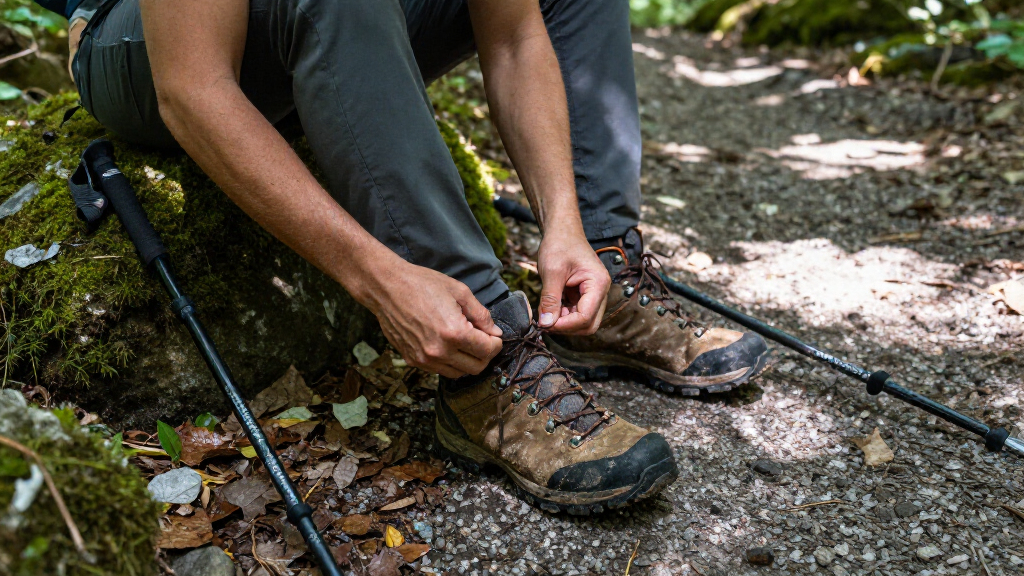

The best hiking boots balance support, grip, weather protection, and comfort without adding more weight or stiffness than your trails require. I’d put the Merrell Moab 3 Mid Waterproof among the strongest all-around choices, while Columbia’s Newton Ridge Plus II models stand out for straightforward trail use and the Columbia Fairbanks Mid suits hikers who prioritize a lighter feel. Waterproof membranes can help on wet trails, but may feel warm in hot weather; sturdier boots can add support while taking longer to break in. Fit and intended terrain matter as much as the name on the boot, so I compare those tradeoffs across all 14 picks below.

Get travel and outdoor gear delivered free with Prime
- Fast, free delivery on millions of items
- Prime Video, Amazon Music and more included
- Member-only deals all year
Complete the kit


Key Takeaways
- The Merrell Moab 3 Mid family is the clearest all-around contender: it offers a more established balance of cushioning, support, and trail versatility than the lighter, more basic options.
- Columbia’s Newton Ridge models are a recurring value-oriented choice: the men’s suede, men’s waterproof, and women’s Amped versions share a familiar trail-boot approach, so fit and upper construction help distinguish them.
- Waterproofing is common across this lineup, not a universal advantage: it can help in rain and damp conditions, but hikers in hot climates may prefer ventilation over a membrane.
- The Fairbanks Mid and Speed Strike 2 Mid LTR WP lean toward lighter-feeling mobility: they make more sense for less demanding routes than buyers seeking a rigid boot for heavy loads or rugged terrain.
- Several entries are close variants or duplicates: the two Merrell Moab 3 Mid Waterproof listings and repeated Columbia Newton Ridge Plus II listings do not represent meaningfully different boot categories, so shoppers should focus on the exact model, fit, and version.
| NORTIV 8 Men’s Ankle-High Waterproof Hiking Boots |  | Best Budget-Friendly Option | Sole Material: Rubber | Shaft Height: Ankle | Shaft Circumference: Approximately 10 inches | VIEW LATEST PRICE | See Our Full Breakdown |
| Columbia Men’s Newton Ridge Plus II Suede Waterproof Hiking Boots |  | Best All-Around Performance | Origin: Imported | Sole Material: Rubber | Shaft Circumference: 9.42 inches | VIEW LATEST PRICE | See Our Full Breakdown |
| Columbia Women’s Newton Ridge Plus Waterproof Amped Hiking Boot | 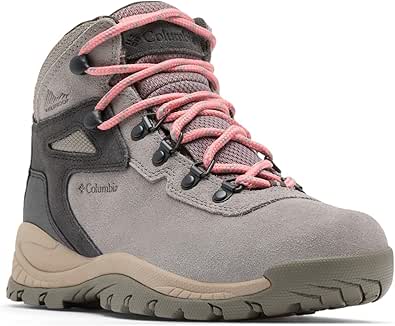 | Best for Women’s Comfort | Fabric Type: EVA | Origin: Imported | Sole Material: Rubber | VIEW LATEST PRICE | See Our Full Breakdown |
| Columbia Men’s Fairbanks Mid Hiking Boots |  | Best for Casual & Urban Use | Brand: Columbia | Gender: Men | Model: Fairbanks Mid | VIEW LATEST PRICE | See Our Full Breakdown |
| Timberland Men’s White Ledge Mid Waterproof Hiking Boots | 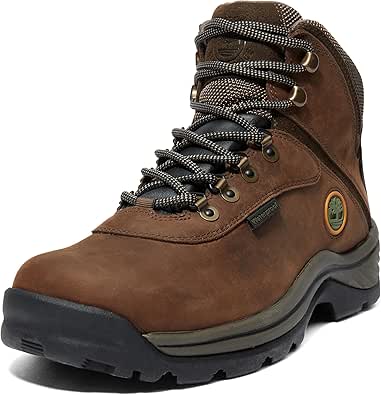 | Best Premium Leather Build | Upper Material: Waterproof premium Timberland leather | Construction: Seam-sealed | Lining: ReBOTL fabric | VIEW LATEST PRICE | See Our Full Breakdown |
| Columbia Men’s Newton Ridge Plus II Waterproof Hiking Boot |  | Best for Mixed-Weather Trail Traction | Upper: Waterproof full-grain leather and mesh | Shaft height: Ankle | Closure: Lace-up | VIEW LATEST PRICE | See Our Full Breakdown |
| Merrell Men’s Moab 3 Mid Hiking Boot |  | Best for Supportive, Cushioned Day Hikes | Upper: Pigskin leather and mesh | Shaft height: Ankle | Insole: Removable Kinetic Fit ADVANCED contoured insole with reinforced heel cushioning | VIEW LATEST PRICE | See Our Full Breakdown |
| Merrell Men’s Speed Strike 2 Mid LTR WP |  | Best Lightweight Waterproof Leather Option | Upper: Waterproof full-grain leather | Waterproofing: Waterproof membrane | Shaft height: Ankle | VIEW LATEST PRICE | See Our Full Breakdown |
| Columbia Men’s Transverse Waterproof Hiking Boots | 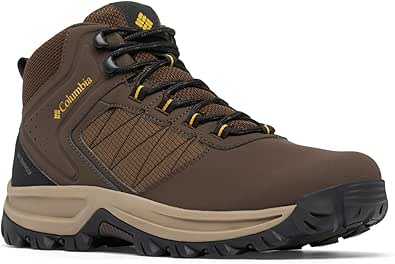 | Best for Moderate Wet-Weather Hiking | Upper: Leather and mesh | Waterproofing: Waterproof, breathable, seam-sealed construction | Shaft height: Ankle | VIEW LATEST PRICE | See Our Full Breakdown |
| Columbia Men’s Newton Ridge Plus II Waterproof Hiking Boot |  | Best for Adjustable Fit on Rough, Wet Trails | Upper: Full-grain leather and mesh | Waterproofing: Waterproof construction | Shaft height: Ankle | VIEW LATEST PRICE | See Our Full Breakdown |
| Columbia Men’s Crestwood Mid Waterproof Hiking Boots |  | Best for Wet-Weather Versatility | Upper material: Leather, mesh, and webbing | Waterproofing: Omni-Tech multilayered, seam-sealed construction | Cushioning: TechLite lightweight impact absorption with high energy return | VIEW LATEST PRICE | See Our Full Breakdown |
| Men’s Waterproof Lightweight Hiking Boots |  | Best Lightweight Pick | Upper material: Synthetic suede and fabric | Waterproofing: SL-TEX waterproof membrane | Lining: D01 breathable lining | VIEW LATEST PRICE | See Our Full Breakdown |
| Merrell Men’s Moab 3 Mid Waterproof Hiking Boots |  | Best Overall for Support and Grip | Upper material: Pigskin leather and mesh | Waterproofing: Waterproof membrane | Outsole: Vibram TC5+ rubber | VIEW LATEST PRICE | See Our Full Breakdown |
| Merrell Men’s Moab 3 Mid Waterproof Hiking Boots |  | Best for Added Arch Structure | Waterproofing: Yes; breathable waterproof membrane | Upper material: Pigskin leather and mesh | Outsole: Vibram TC5+ rubber | VIEW LATEST PRICE | See Our Full Breakdown |
| hiking boot | Shaft Height | Sole Material | Midsole | Waterproofing |
|---|---|---|---|---|
| NORTIV 8 Men’s Ankle-High Wate | Ankle | Rubber | — | — |
| Columbia Men’s Newton Ridge Pl | — | Rubber | Lightweight, cushioned | — |
| Columbia Women’s Newton Ridge | — | Rubber | — | — |
| Columbia Men’s Fairbanks Mid H | Ankle | Rubber | — | OMNI-TECH |
| Timberland Men’s White Ledge M | Ankle | — | EVA | — |
| Columbia Men’s Newton Ridge Pl | Ankle | Rubber | Cushioned; specific material not provided | — |
| Merrell Men’s Moab 3 Mid Hikin | Ankle | — | Lightweight EVA foam | — |
| Merrell Men’s Speed Strike 2 M | Ankle | Rubber | Lightweight EVA foam | Waterproof membrane |
| Columbia Men’s Transverse Wate | Ankle | Rubber | — | Waterproof, breathable, seam-sealed construction |
| Columbia Men’s Newton Ridge Pl | Ankle | Rubber | Lightweight, cushioned | Waterproof construction |
| Columbia Men’s Crestwood Mid W | Ankle | Rubber | — | Omni-Tech multilayered, seam-sealed construction |
| Men’s Waterproof Lightweight H | — | Synthetic rubber | Flexible EVA | SL-TEX waterproof membrane |
| Merrell Men’s Moab 3 Mid Water | Ankle | — | Lightweight EVA foam | Waterproof membrane |
| Merrell Men’s Moab 3 Mid Water | Ankle | — | Lightweight EVA foam | Yes; breathable waterproof membrane |
More Details on Our Top Picks
NORTIV 8 Men’s Ankle-High Waterproof Hiking Boots
This model stands out as the most affordable entry point for hikers who need waterproof protection without the premium price tag. While it lacks the refined fit and brand heritage of the Columbia Men’s Newton Ridge Plus II, the NORTIV 8 delivers surprising utility for casual trail walkers. The removable cushioned insoles allow for custom orthotic inserts, a feature often reserved for higher-end boots. However, the faux leather upper is a clear tradeoff; it will not age or break in like genuine leather, potentially sacrificing long-term durability. The lightweight EVA midsole reduces fatigue, but the rubber outsole may lack the aggressive grip found on technical terrain. This is a sensible choice for occasional hikers who prioritize value over rugged longevity.
Pros:- Removable insoles accommodate custom orthotics easily
- Lightweight EVA midsole minimizes foot fatigue
- Waterproof nylon and faux leather upper keeps feet dry
- Significantly lower cost than major brand competitors
Cons:- Faux leather upper lacks the durability and aging quality of real leather
- Shaft circumference may be too tight for users with wider calves
- Traction may struggle on steep, technical, or loose terrain
Best for: Casual hikers and budget-conscious buyers who need occasional waterproof protection for light trails
Not ideal for: Serious backpackers or those with wide calves, as the ~10-inch shaft circumference can feel restrictive
- Sole Material:Rubber
- Shaft Height:Ankle
- Shaft Circumference:Approximately 10 inches
- Outer Material:Nylon, Faux Leather
- Midsole Type:Lightweight EVA
- Insole Type:Removable Cushioned
Our verdict“Ideal for beginners and casual walkers who want functional waterproofing at an accessible price point.”
Columbia Men’s Newton Ridge Plus II Suede Waterproof Hiking Boots
The Columbia Newton Ridge Plus II sets the standard for reliability in this roundup, offering a balanced blend of protection and comfort. Compared to the NORTIV 8, the genuine suede and leather construction provides superior durability and a more traditional hiking aesthetic. The seam-sealed construction ensures feet stay dry in wet conditions, while the high-traction rubber outsole handles varied terrain better than budget alternatives. The lace-up closure allows for a precise fit, though some users may find the 9.42-inch shaft circumference slightly snug compared to wider-fit options. This boot excels in versatility, performing well on both rocky trails and muddy paths. It is the safest bet for most hikers seeking a dependable, waterproof mid-cut boot.
Pros:- Genuine suede and leather upper offers excellent durability
- Seam-sealed construction provides reliable waterproofing
- High-traction outsole performs well on ice, snow, and rock
- Adjustable lace-up closure ensures a customizable fit
Cons:- Shaft circumference may feel tight for wider calves
- Lacks specific customer data to confirm long-term wear patterns
- Heavier than ultra-lightweight trail shoes
Best for: Hikers of all levels seeking a durable, versatile waterproof boot for mixed terrain
Not ideal for: Those needing extreme ankle support for heavy loads, as the mid-cut height is moderate
- Origin:Imported
- Sole Material:Rubber
- Shaft Circumference:9.42 inches
- Outer Material:Leather
- Waterproof Construction:Suede and leather with seam-sealed construction
- Closure:Lace-up
- Outsole:High-traction rubber with multi-terrain tread
- Midsole:Lightweight, cushioned
Our verdict“The most balanced choice for general hiking needs, offering proven waterproofing and traction.”
Columbia Women’s Newton Ridge Plus Waterproof Amped Hiking Boot
Designed specifically for female anatomy, this boot addresses fit issues that often plague unisex or men’s boots scaled down. The TECHLITE midsole offers superior energy return compared to the standard EVA found in the Columbia Men’s Fairbanks Mid, reducing fatigue over longer distances. The Omni-Grip outsole provides reliable traction, while the reinforced toe and heel enhance durability against abrasion. A notable tradeoff is the break-in period; unlike some softer synthetic options, this suede and leather upper requires time to mold to the foot. However, the result is a secure, supportive fit that outlasts cheaper alternatives. This model is the clear winner for women prioritizing long-term comfort and anatomical correctness over immediate out-of-the-box softness.
Pros:- TECHLITE midsole delivers high energy return and cushioning
- Reinforced toe and heel protect against trail debris
- Omni-Grip outsole offers non-marking traction on multiple surfaces
- Specifically engineered last for a better women’s fit
Cons:- Requires a break-in period before achieving full comfort
- Shaft circumference is less than 6 inches, limiting calf clearance
- Heavier than minimalist trail runners
Best for: Women who need anatomically correct fit and cushioning for day hikes and moderate trails
Not ideal for: Buyers who want immediate comfort without a break-in period, as the upper is stiff initially
- Fabric Type:EVA
- Origin:Imported
- Sole Material:Rubber
- Shaft Circumference:Less than 6 inches
- Midsole Technology:TECHLITE
- Outsole Technology:Omni-Grip
- Upper Material:Suede and Leather
- Construction:Seam-sealed waterproof
Our verdict“The best choice for women seeking a durable, cushioned boot with a tailored fit for extended wear.”
Columbia Men’s Fairbanks Mid Hiking Boots
The Fairbanks Mid bridges the gap between trail performance and everyday style, making it distinct from the rugged Newton Ridge Plus II. Its OMNI-TECH waterproofing handles moderate rain and snow effectively, though it may struggle in heavy downpours compared to more robust systems. The TECHLITE cushioning provides a comfortable ride for long walks, whether on gravel paths or city sidewalks. This versatility is its greatest strength, but it comes at the cost of specialized trail features. The design is sleeker and less bulky, appealing to those who want one shoe for hiking and commuting. However, limited color and size options may restrict availability for those with specific fit needs. This boot is best for light hiking and daily wear where aesthetics matter as much as function.
Pros:- Versatile design transitions easily from trail to town
- Lightweight TECHLITE midsole offers lasting comfort
- OMNI-GRIP traction provides stability on rock and dirt
- Sleek profile appeals to style-conscious consumers
Cons:- Waterproofing is limited to moderate rain and snow
- Restricted color and size range may limit fit options
- Less rugged construction than dedicated heavy-duty hiking boots
Best for: Commuters and casual hikers who want a stylish waterproof boot for mixed urban and trail use
Not ideal for: Backpackers or hikers facing severe weather, as waterproofing is rated for moderate conditions only
- Brand:Columbia
- Gender:Men
- Model:Fairbanks Mid
- Sole Material:Rubber
- Shaft Height:Ankle
- Waterproofing:OMNI-TECH
- Cushioning:TECHLITE
- Traction:OMNI-GRIP
Our verdict“Perfect for those who need a single pair of boots for both light trails and daily city wear.”
Timberland Men’s White Ledge Mid Waterproof Hiking Boots
The Timberland White Ledge distinguishes itself with premium full-grain leather, offering a level of ruggedness and aesthetic appeal that synthetic uppers cannot match. Compared to the Columbia Newton Ridge, the Timberland features a fully gusseted tongue, which provides superior protection against debris and water ingress. The EVA footbed and midsole deliver solid cushioning, though the boot may feel stiffer initially than the Columbia options. The rubber outsole with multidirectional lugs ensures grip on uneven surfaces, while the rustproof speed lace hardware adds convenience and durability. This boot is an investment in longevity; the leather will develop a patina and maintain structural integrity for years. It is the preferred choice for hikers who value traditional craftsmanship and robust protection over lightweight agility.
Pros:- Premium waterproof leather upper ages well and resists abrasion
- Fully gusseted tongue prevents debris and water entry
- Rustproof speed lace hardware offers quick and durable lacing
- Seam-sealed construction ensures reliable waterproofing
Cons:- Heavier than synthetic or suede alternatives
- Premium price point reflects high-quality materials
- Lacks specific fit data to confirm comfort for all foot shapes
Best for: Hikers who prioritize durable premium leather construction and superior debris protection
Not ideal for: Those seeking the lightest possible boot, as the premium leather adds noticeable weight
- Upper Material:Waterproof premium Timberland leather
- Construction:Seam-sealed
- Lining:ReBOTL fabric
- Footbed:EVA
- Midsole:EVA
- Outsole:Rubber with multidirectional lugs
- Lacing Hardware:Rustproof speed lace hardware with top lace hooks
- Shaft Height:Ankle
- Shaft Circumference:9.75 inches
Our verdict“The top choice for durability-focused hikers who want a classic, rugged leather boot that lasts.”
Columbia Men’s Newton Ridge Plus II Waterproof Hiking Boot
The Newton Ridge Plus II pairs a waterproof leather-and-mesh upper with an Omni-Grip outsole designed for varied ground, including ice and snow. That makes it a useful pick for hikers whose routes shift from damp dirt to colder, slicker patches. Its cushioned midsole is intended to soften impact, while the lace-up closure lets you adjust the fit around the ankle. Compared with the Columbia Transverse, this model has a more specific emphasis on traction in icy conditions; the Transverse instead highlights lightweight impact absorption and moderate wet-weather use. The tradeoff is that the available details give no boot weight or measured cushioning information, so hikers who prioritize a precise weight target have less to go on. I’d also check the manufacturer’s size chart before ordering.
Pros:- Waterproof full-grain leather and mesh upper
- Omni-Grip outsole described for varied terrain, including ice and snow
- Cushioned midsole designed to absorb impact
- Lace-up closure allows an adjustable fit
Cons:- No specific boot weight or cushioning measurements are provided
- Sizing may require checking the manufacturer’s chart
Best for: Day hikers who need waterproof coverage and traction for routes that may include wet, icy, or snowy sections
Not ideal for: Hikers choosing by exact boot weight or measured cushioning, since those figures are not provided
- Upper:Waterproof full-grain leather and mesh
- Shaft height:Ankle
- Closure:Lace-up
- Outsole:Omni-Grip multi-terrain rubber
- Sole material:Rubber
- Midsole:Cushioned; specific material not provided
- Origin:Imported
Our verdict“Choose this Newton Ridge Plus II if wet and potentially icy trails matter more than having published weight and cushioning measurements.”
Merrell Men’s Moab 3 Mid Hiking Boot
The Moab 3 Mid puts support and cushioning ahead of a stated waterproof build. Its removable contoured insole, EVA foam midsole, molded nylon arch shank, and Merrell Air Cushion target hikers who want underfoot structure for regular trail days. A Vibram TC5+ outsole and protective toe cap add grip and front-of-foot protection, while the bellows tongue helps limit debris entering the boot. Compared with the Columbia Newton Ridge Plus II, the Moab spells out more of its support components, but the Columbia is the clearer choice when waterproof construction is a priority. The Moab also uses recycled laces, webbing, and lining, though that does not change its core tradeoff: the supplied details do not specify waterproofing. I’d favor it for supportive, dry-weather hiking rather than routes where wet feet are a central concern.
Pros:- Removable contoured insole with reinforced heel cushioning
- EVA foam midsole and Merrell Air Cushion provide layered cushioning
- Vibram TC5+ outsole and molded nylon arch shank add trail support
- Protective toe cap, debris-blocking bellows tongue, and recycled upper components
Cons:- Waterproof construction is not specified in the provided product details
- Supportive build may be more than casual hikers need for short, easy walks
Best for: Frequent day hikers seeking a supportive removable insole, cushioned midsole, and defined trail outsole for dry or changeable-but-not-soaked routes
Not ideal for: Hikers who need a clearly specified waterproof boot for persistent rain, snow, or wet trail crossings
- Upper:Pigskin leather and mesh
- Shaft height:Ankle
- Insole:Removable Kinetic Fit ADVANCED contoured insole with reinforced heel cushioning
- Midsole:Lightweight EVA foam
- Outsole:Vibram TC5+ rubber
- Arch shank:Molded nylon
- Heel cushioning:Merrell Air Cushion
- Lining and laces:100% recycled mesh lining; laces and webbing are 100% recycled
Our verdict“Pick the Moab 3 Mid for its clearly specified support and cushioning, but choose the Newton Ridge Plus II if stated waterproofing is the deciding factor.”
Merrell Men’s Speed Strike 2 Mid LTR WP
The Speed Strike 2 Mid LTR WP is the more streamlined Merrell choice here: it combines a waterproof full-grain leather upper and membrane with a lightweight EVA midsole, without the Moab 3 Mid’s listed arch shank, Air Cushion, and Vibram outsole. That simpler specification may suit hikers who want waterproof protection and cushioning without choosing a boot primarily for its support package. A removable footbed also leaves room for cleaning, replacement, or custom orthotics. The recycled mesh lining and partly recycled footbed add material-conscious details. Its tradeoffs are practical: full-grain leather needs regular care to maintain its waterproofing, and the mid-cut is described as offering less ankle support than higher alternatives. Compared with the Columbia Transverse, this boot specifies a leather waterproof upper and membrane, while the Transverse emphasizes seam-sealed construction and lightweight impact absorption.
Pros:- Waterproof full-grain leather upper and membrane
- Lightweight EVA foam midsole for cushioning and stability
- Removable footbed can be cleaned, replaced, or swapped for orthotics
- Recycled mesh lining and footbed materials
Cons:- Leather requires regular maintenance to preserve waterproofing
- Mid-cut design offers less ankle support than higher-cut alternatives
Best for: Day hikers who want a waterproof leather mid boot with a removable footbed and a lightweight cushioning setup
Not ideal for: Hikers who want a high-cut boot or a more extensively specified support system for demanding, uneven terrain
- Upper:Waterproof full-grain leather
- Waterproofing:Waterproof membrane
- Shaft height:Ankle
- Shaft circumference:4 inches
- Lining:100% recycled breathable mesh
- Footbed:Removable EVA foam made with 50% recycled materials
- Midsole:Lightweight EVA foam
- Sole material:Rubber
Our verdict“Choose the Speed Strike 2 Mid LTR WP for waterproof leather and a removable footbed, not for maximum ankle support or a detailed stability package.”
Columbia Men’s Transverse Waterproof Hiking Boots
The Columbia Transverse focuses on a balanced wet-weather setup: its leather-and-mesh upper uses waterproof, breathable seam-sealed construction, while TECHLITE cushioning is designed for impact absorption and energy return. The ankle-height cut and OMNI-GRIP tread suit varied day-hiking surfaces without making a claim of specialized protection for severe conditions. Compared with the Newton Ridge Plus II, the Transverse gives more detail about its cushioning system, while the Newton Ridge description calls out traction for ice and snow. That makes the Transverse a more straightforward match for moderate rain and snow, rather than a boot to choose on the basis of prolonged exposure to harsh weather. Its lightweight cushioning and cushioned collar favor general trail comfort, but the product details do not specify a boot weight or a particular level of ankle support.
Pros:- Waterproof, breathable, seam-sealed construction
- TECHLITE cushioning is designed for impact absorption and energy return
- OMNI-GRIP tread is intended for wet and dry surfaces
- Ankle-height build includes a cushioned collar
Cons:- Described for moderate rain and snow, not prolonged severe conditions
- No specific boot weight or detailed ankle-support information is provided
Best for: Day hikers on mixed trails who expect moderate rain or snow and want seam-sealed waterproofing with lightweight cushioning
Not ideal for: Hikers facing prolonged severe weather or seeking stated protection for extended exposure to deep water or harsh conditions
- Upper:Leather and mesh
- Waterproofing:Waterproof, breathable, seam-sealed construction
- Shaft height:Ankle
- Cushioning:TECHLITE lightweight impact absorption with high energy return
- Traction:OMNI-GRIP multi-terrain tread
- Sole material:Rubber
- Origin:Imported
Our verdict“Pick the Transverse for ordinary wet-weather day hikes and lightweight cushioning, but look elsewhere for a boot specified for severe, prolonged exposure.”
Columbia Men’s Newton Ridge Plus II Waterproof Hiking Boot
This version of the Newton Ridge Plus II centers on a familiar combination: waterproof full-grain leather and mesh, a cushioned lightweight midsole, and Omni-Grip traction for rough and wet ground. Its lace-up closure is useful for hikers who want to fine-tune the fit, and the product details also describe footing for icy and snowy terrain. Compared with the Columbia Transverse, this Newton Ridge listing puts more emphasis on lace adjustment and traction across rough, cold-weather surfaces; the Transverse gives a clearer description of its TECHLITE cushioning and moderate-weather scope. This entry shares its model name and core design with the other Newton Ridge Plus II in this batch, so the supplied information does not establish a meaningful performance difference between them. The listed shaft circumference is only one inch, an unclear measurement, and no weight figure is supplied.
Pros:- Waterproof full-grain leather and mesh upper
- Lightweight cushioned midsole
- Omni-Grip traction described for rough, wet, icy, and snowy terrain
- Lace-up closure allows fit adjustment
Cons:- Listed one-inch shaft circumference is unclear as a fit guide
- No boot weight or detailed cushioning measurements are provided
Best for: Hikers who want a lace-adjustable waterproof boot for rough, wet routes that may include icy or snowy patches
Not ideal for: Buyers who need clear fit measurements or a published boot weight before choosing
- Upper:Full-grain leather and mesh
- Waterproofing:Waterproof construction
- Shaft height:Ankle
- Shaft circumference:1 inch
- Closure:Lace-up
- Traction system:Omni-Grip
- Sole material:Rubber
- Midsole:Lightweight, cushioned
Our verdict“Choose this Newton Ridge Plus II if adjustable lacing and stated mixed-terrain traction fit your needs, but verify the sizing details before buying.”
Columbia Men’s Crestwood Mid Waterproof Hiking Boots
The Crestwood Mid suits hikers who want waterproofing and adaptable traction without a more specialized build. Its seam-sealed Omni-Tech construction helps block water, while the leather, mesh, and webbing upper balances structure with airflow. TechLite cushioning is designed to absorb impact with energy return, a useful combination for day hikes where comfort matters as much as grip. Compared with the Merrell Moab 3 Mid Waterproof, the Crestwood’s appeal is its stated lightweight cushioning and multi-terrain Omni-Grip outsole; the Moab provides more detail about its Vibram outsole and contoured insole. The tradeoff is that the supplied specifications give less information about underfoot support and protection. I’d choose this Columbia for varied wet and dry trails, but look elsewhere if detailed support specifications are a priority.
Pros:- Seam-sealed Omni-Tech construction helps keep water out
- Leather, mesh, and webbing upper balances structure and breathability
- TechLite cushioning is designed for lightweight impact absorption
- Omni-Grip outsole is intended for wet and dry multi-terrain use
Cons:- The supplied specs do not describe a removable or contoured support insole
- Outsole details are less specific than the Merrell Moab 3 Mid Waterproof’s Vibram TC5+ specification
Best for: Day hikers who want seam-sealed waterproofing, breathable mixed materials, and traction for changing trail conditions.
Not ideal for: Hikers who prioritize a clearly specified supportive insole or named premium outsole compound; the provided details do not identify either.
- Upper material:Leather, mesh, and webbing
- Waterproofing:Omni-Tech multilayered, seam-sealed construction
- Cushioning:TechLite lightweight impact absorption with high energy return
- Traction:Omni-Grip multi-terrain outsole
- Sole material:Rubber
- Shaft height:Ankle
- Origin:Imported
Our verdict“Choose the Crestwood Mid for lightweight, waterproof versatility on mixed-condition day hikes, but favor the Merrell Moab 3 if a specifically identified supportive insole and outsole matter more.”
Men’s Waterproof Lightweight Hiking Boots
For hikers who want to keep boot weight down, this model lists a 1.25-pound weight in size 10 and pairs a flexible EVA midsole with a removable memory foam insole. That combination favors a cushioned, easy-moving feel on longer walks, while the SL-TEX membrane is designed to keep water out and let vapor escape. Compared with the Columbia Men’s Crestwood Mid Waterproof Hiking Boots, this boot gives a specific weight and removable insole, but the Crestwood names its seam-sealed waterproof construction and multi-terrain outsole. The synthetic suede and fabric upper may not match leather options for long-term durability, and the closed-cell tongue can feel restrictive on high insteps. I’d shortlist it for lighter hikes and comfort-focused buyers, not demanding routes where tougher materials are the priority.
Pros:- Listed weight of 1.25 lb in size 10 supports a weight-conscious choice
- SL-TEX waterproof membrane is designed to let vapor escape
- Removable memory foam insole allows cushioning to be adjusted or replaced
- Flexible EVA midsole and rubber outsole suit comfort-focused trail use
Cons:- Synthetic suede and fabric may be less durable than leather alternatives
- Closed-cell tongue may feel restrictive for hikers with high insteps
Best for: Hikers seeking a lightweight waterproof boot with a removable cushioned insole for day hikes and long walks.
Not ideal for: People with high insteps or hikers who need a particularly durable upper for frequent, rugged use.
- Upper material:Synthetic suede and fabric
- Waterproofing:SL-TEX waterproof membrane
- Lining:D01 breathable lining
- Insole:Removable memory foam
- Midsole:Flexible EVA
- Weight:1.25 lb (size 10)
- Closure:Lace-up
- Sole material:Synthetic rubber
Our verdict“Pick this boot if low listed weight and removable memory foam are your priorities, but choose the Crestwood or Merrell Moab 3 for more clearly specified construction details.”
Merrell Men’s Moab 3 Mid Waterproof Hiking Boots
The Moab 3 Mid Waterproof earns the overall role by pairing a waterproof membrane with a supportive removable insole, cushioned EVA midsole, protective toe cap, and Vibram TC5+ outsole. That fuller set of specified trail features makes it a more support-focused choice than the lighter, less detailed Men’s Waterproof Lightweight Hiking Boots, whose standout advantage is its listed weight. Recycled laces, webbing, and mesh lining add a material choice without replacing the boot’s practical focus on comfort and grip. There are caveats: the supplied shaft circumference is listed as “4” with no unit, and the origin field does not name a definite country. I’d favor the Moab for hikers who want cushioning and a named grippy outsole, though its specifications don’t provide a weight for comparison.
Pros:- Vibram TC5+ outsole provides a specifically identified traction compound
- Removable contoured insole includes reinforced heel cushioning
- EVA midsole adds cushioning while keeping the build lightweight by design
- Recycled laces, webbing, and mesh lining are specified
Cons:- No boot weight is provided for comparison with the lighter listed alternative
- Shaft circumference is given as 4 without a unit
- Origin is listed as USA or imported without a specific country
Best for: Day hikers who want waterproofing, a removable contoured insole, and a named Vibram outsole for varied trails.
Not ideal for: Weight-focused buyers who need a listed boot weight, or shoppers who require clear shaft-circumference and country-of-origin details.
- Upper material:Pigskin leather and mesh
- Waterproofing:Waterproof membrane
- Outsole:Vibram TC5+ rubber
- Midsole:Lightweight EVA foam
- Insole:Removable Kinetic Fit ADVANCED contoured insole with reinforced heel cushioning
- Lining:100% recycled mesh
- Laces and webbing:100% recycled
- Shaft height:Ankle
Our verdict“Choose the Moab 3 Mid Waterproof for its combination of a supportive removable insole and Vibram traction, unless a verified weight or precise fit measurements are essential.”
Merrell Men’s Moab 3 Mid Waterproof Hiking Boots
This Moab 3 Mid listing is the clearest fit for hikers who want a specified structure underfoot: it names a molded nylon arch shank alongside the removable Kinetic Fit ADVANCED insole and reinforced heel cushioning. The waterproof membrane, pigskin leather and mesh upper, and Vibram TC5+ outsole also make it a well-rounded option for wet, varied trails. Compared with the other Merrell Moab 3 Mid Waterproof in this roundup, this version explicitly lists the arch shank, while the other listing adds a protective toe cap. Both specify recycled laces, webbing, and mesh lining. The ankle-height design may feel restrictive to hikers who prefer low-cut shoes, and no weight is supplied. Choose this version for its documented arch structure, not because the shared model name guarantees a different fit.
Pros:- Molded nylon arch shank is specifically listed for underfoot structure
- Removable Kinetic Fit ADVANCED insole has reinforced heel cushioning
- Vibram TC5+ rubber outsole is identified by name
- Recycled laces, webbing, and mesh lining are specified
Cons:- Ankle-height construction may feel restrictive to low-cut boot users
- No weight is provided for comparison
- This listing provides less detail about toe protection than the other Moab 3 listing
Best for: Hikers who prefer a mid boot with a stated arch shank, removable contoured insole, and waterproof construction.
Not ideal for: Low-cut footwear fans or hikers who need weight data to compare boots before buying.
- Waterproofing:Yes; breathable waterproof membrane
- Upper material:Pigskin leather and mesh
- Outsole:Vibram TC5+ rubber
- Midsole:Lightweight EVA foam
- Insole:Removable contoured Kinetic Fit ADVANCED with reinforced heel cushioning
- Arch support:Molded nylon arch shank
- Laces and webbing:100% recycled
- Shaft height:Ankle
Our verdict“Choose this Moab 3 Mid listing if the named arch shank is a deciding feature, but compare the other Moab listing if a specified protective toe cap matters more.”

How We Picked
I ranked these boots around the needs that shape real trail decisions: support and stability, traction, weather protection, likely comfort over a full day, and how versatile each design appears across common hiking conditions. I also weighed the tradeoffs of weight, upper materials, and waterproof construction rather than treating more protection as automatically better. A boot that suits maintained paths may be a poor match for a steep, rocky route or a heavy backpack.
The order favors models that appear to offer a useful balance for a broad range of hikers, with more specialized or less fully identified listings placed lower. Similar Columbia Newton Ridge entries and duplicate Merrell Moab 3 Waterproof listings are treated as close variants, not as separate advantages. Because the list provides no independent fit data or hands-on test results, I avoid claims about measured performance and recommend checking the exact version’s specifications and trying boots on with hiking socks before committing.
| hiking boot | Sole Material | Midsole |
|---|---|---|
| NORTIV 8 Men’s Ankle-High Wate | Rubber | — |
| Columbia Men’s Newton Ridge Pl | Rubber | Lightweight, cushioned |
| Columbia Women’s Newton Ridge | Rubber | — |
| Columbia Men’s Fairbanks Mid H | Rubber | — |
| Timberland Men’s White Ledge M | — | EVA |
| Columbia Men’s Newton Ridge Pl | Rubber | Cushioned; specific material not provided |
| Merrell Men’s Moab 3 Mid Hikin | — | Lightweight EVA foam |
| Merrell Men’s Speed Strike 2 M | Rubber | Lightweight EVA foam |
| Columbia Men’s Transverse Wate | Rubber | — |
| Columbia Men’s Newton Ridge Pl | Rubber | Lightweight, cushioned |
| Columbia Men’s Crestwood Mid W | Rubber | — |
| Men’s Waterproof Lightweight H | Synthetic rubber | Flexible EVA |
| Merrell Men’s Moab 3 Mid Water | — | Lightweight EVA foam |
| Merrell Men’s Moab 3 Mid Water | — | Lightweight EVA foam |
Factors to Consider When Choosing Best Hiking Boots
The boot that works best is the one suited to your routes, feet, and load—not the one with the longest feature list. I’d use these factors to narrow the options before deciding between models that look similar.
Match Support to Terrain and Pack Weight
A mid-height boot can add ankle coverage and a more secure feel, but it cannot prevent every ankle injury. For smooth, maintained trails and a light daypack, a flexible boot may feel less tiring than a stiff, heavy design. Rocky routes, uneven ground, and heavier loads can make a firmer platform and more structured upper useful. A common mistake is buying maximum support for easy walks, then finding the boot cumbersome on every outing. Think about the roughest terrain you hike regularly, not an occasional route you may never repeat. If you carry a loaded pack, try the boots with that weight in mind, since fit and stability can feel different under load.
Choose Waterproofing for Your Climate
A waterproof membrane helps block rain, puddles, and wet vegetation, but it can also limit airflow and slow drying if water gets inside over the collar. That tradeoff often favors waterproof boots in cool, wet climates and breathable footwear in hot, dry conditions. Waterproofing does not make a boot suitable for deep water, and water can enter from above regardless of the membrane. Buyers sometimes focus on the word “waterproof” without considering how often their routes are wet. For regular stream crossings, gaiters and route-specific footwear may matter more than a membrane alone. Match protection to typical conditions rather than choosing it by default.
Fit the Boot to Your Foot, Not Just Your Shoe Size
Hiking socks, foot swelling, and downhill movement can all change how a boot fits compared with a casual shoe. Leave enough room in front of the toes for descents while keeping the heel from lifting excessively. A wide toe box may suit spreading toes, while a narrower heel can help reduce slipping; neither shape is right for every foot. Try boots later in the day, when feet are more likely to be slightly swollen, and test them on an incline if possible. Do not rely on a long break-in period to fix pressure points or numbness. When two models seem similar, the better-fitting one is usually the safer choice.
Weigh Boot Weight Against Durability
Lighter boots can reduce fatigue on long days and feel more agile, especially on established trails. More substantial materials and construction can offer a reassuring, durable feel, but may add weight and stiffness. Neither approach is automatically superior: a light boot can be a poor match for rough terrain, while a bulky boot can be unnecessary on short walks. Look beyond marketing labels and check the upper, outsole, and construction details for the exact version you are buying. If you hike often, consider how well the materials suit your use and whether the boot can be maintained or repaired. For occasional, easy outings, comfort and fit may matter more than maximum durability.
Read Similar Model Names Carefully
Product names can hide meaningful differences in gender-specific fit, upper material, waterproof construction, and generation. This roundup includes several Columbia Newton Ridge Plus listings and repeated Merrell Moab 3 Mid Waterproof listings, so a familiar name does not mean every listing is identical. Check the full model name and current specifications before comparing them. A suede upper may feel and wear differently from another material, even within the same family. Avoid treating duplicate listings as evidence of extra performance or broader choice. Confirm the size range and return terms as well, especially when ordering a boot you have not tried on.
Decide When Premium Construction Is Worth It
Paying more can make sense when a boot offers a better fit for your foot, construction suited to frequent rugged use, or a particular feature you rely on. It is less compelling when the main difference is a label or a feature you will rarely use. For occasional day hikes on maintained paths, a comfortable value-oriented model may meet your needs without the weight of a more substantial boot. Frequent hikers should pay attention to wear-prone areas, outsole design, and whether the boot can be resoled or repaired. Treat premium as a question of useful longevity and fit, not a guarantee of comfort. The right choice depends on how often and where you hike.
Frequently Asked Questions
Are waterproof hiking boots a good choice for summer?
They can work for summer hikes in cool, rainy regions or on routes with wet grass and shallow puddles. In hot, dry weather, a waterproof membrane may make feet feel warmer and can take longer to dry if water enters over the top. Consider how often your feet encounter wet conditions, rather than choosing waterproofing automatically. If heat and sweat are your main concerns, a more breathable boot may be the better match. For mixed conditions, socks and gaiters can help manage moisture without relying on a membrane for every outing.
How much toe room should hiking boots have for downhill trails?
Your toes should not press into the front of the boot when walking downhill, but excess space can let the foot slide and cause blisters. Try boots with the socks you plan to hike in and test them on a ramp or stairs if available. Lace tension can help secure the heel, but it should not compress the forefoot or cause tingling. Feet often swell over the course of a hike, so a fit that feels barely adequate indoors may become uncomfortable later. If you are between sizes, compare both sizes rather than assuming a larger boot will solve every fit issue.
Do I need mid-height boots for day hikes?
Not necessarily. Mid-height boots can feel more protective and may suit uneven terrain or hikers who prefer added coverage, but the collar alone does not prevent ankle injuries. On maintained trails with a light pack, some hikers may prefer a more flexible and less bulky option. A boot’s platform, fit, and grip matter alongside its height. If you are choosing mid-height footwear because you carry a heavier load, try it under realistic conditions and check that it does not restrict your stride. Let your terrain and comfort decide, rather than assuming every hike requires the same level of support.
Can I choose between Columbia Newton Ridge and Merrell Moab 3 by brand alone?
No; the comparison is more useful when you focus on fit, intended use, and the exact version. The Moab 3 family stands out in this roundup as a balanced all-around option, while the Newton Ridge listings offer a familiar alternative across several versions. That does not establish which will fit your feet better or perform best on your routes. Compare the specific upper, waterproof details, and sizing, since closely named models can differ. If possible, try both with hiking socks and walk on an incline before choosing.
Are the repeated product listings different boots?
Not necessarily. This roundup includes the Merrell Moab 3 Mid Waterproof twice and repeats Columbia Newton Ridge Plus II Waterproof listings, so the names alone do not point to distinct boot designs. Differences may come from listing details, size options, or a version not fully described here. Check the seller’s exact model information and specifications before treating two listings as separate choices. If the details match, compare fit, availability, and return terms rather than assuming one has different performance. The broader model family may still include meaningful variations, so confirm the full name.
Conclusion
For the broadest mix of trail versatility and support, I’d start with the Merrell Moab 3 Mid Waterproof as the best overall pick. The Columbia Newton Ridge Plus II is my best value-oriented choice for hikers who want a straightforward waterproof mid boot, while the Timberland White Ledge Mid is the lineup’s premium-leaning option for buyers drawn to a more substantial traditional boot. Beginners who expect to stick to day hikes can compare the Newton Ridge models with the Columbia Crestwood Mid and choose by fit and trail conditions. For a lighter-feeling option, look at the Columbia Fairbanks Mid or Merrell Speed Strike 2 Mid LTR WP; for wet-weather use, focus on the waterproof versions and confirm the exact listing. I’d make the final decision by trying the best-fitting candidates with hiking socks, since the right fit matters more than small differences between similar model names.