
When camping and photographing wildlife, keep a respectful distance and move slowly and quietly to avoid startling animals. Use a telephoto lens and fast shutter speed to capture details without infringing on their space, and avoid flash to prevent disorientation. Stay on designated trails and resist feeding wildlife. Patience and gentle observation ensure you capture authentic moments while respecting nature’s balance. If you continue exploring, you’ll discover more ways to observe ethically and connect meaningfully with wildlife.
Key Takeaways
- Use a telephoto lens and maintain a safe, respectful distance to avoid disturbing wildlife.
- Move slowly and quietly, minimizing noise and avoiding flash to prevent startling animals.
- Prioritize animal well-being by not baiting or feeding, and stay on designated trails.
- Prepare with reliable, lightweight gear and proper camera settings for quick, steady shots.
- Practice patience and observe natural behaviors to capture authentic and respectful wildlife images.
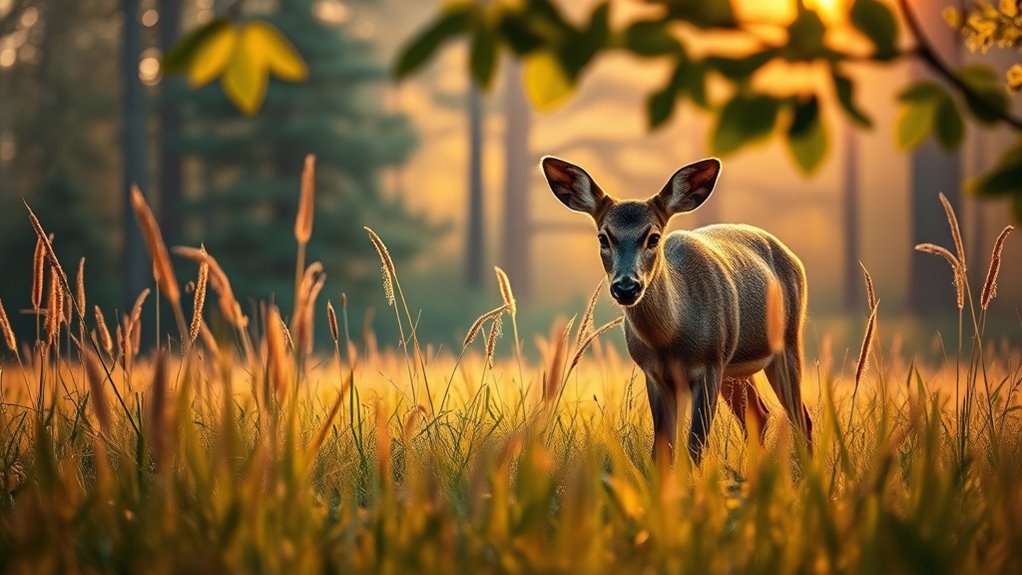
Camping provides a unique opportunity to observe wildlife in their natural habitat, and capturing these moments through photography requires patience and respect. When you’re out in the wild, your camera gear becomes your window into the intricate lives of animals. Choosing the right equipment—such as a telephoto lens—allows you to photograph distant creatures without disturbing them. A sturdy tripod can help steady your shots, especially in low light, and a fast shutter speed prevents motion blur when animals move suddenly. Keep your gear lightweight and accessible so you can be ready at a moment’s notice. Remember, every click should be made with care, prioritizing the well-being of the animals over getting the perfect shot.
While honing your skills with good camera gear is important, equally essential are your ethical considerations. Respect for wildlife means maintaining a safe and non-intrusive distance. Approach animals slowly and quietly, avoiding sudden movements that could startle them. Never feed or attempt to attract wildlife with food or other bait—doing so can alter their natural behaviors and lead to dependency or harm. Stay on designated trails and viewing areas to minimize habitat disturbance, and always follow park or reserve rules. Your goal is to observe and record, not to interfere or cause stress. Patience is your best tool; often, the most compelling shots come after waiting quietly for the animals to carry on with their routines.
Respect wildlife by maintaining distance, staying quiet, and following park rules to protect their natural behaviors.
Ethical wildlife photography also involves being mindful of your impact. Keep noise levels low, and avoid using flash, as bright lights can disorient animals, especially during dawn or dusk when many species are most active. Respect their space, and if animals seem agitated or attempt to move away, back off immediately. Remember, capturing images should never come at the expense of their safety or comfort. Additionally, understanding inverter generator operation and choosing the right model can ensure you have reliable power for your equipment in remote locations. By practicing these ethical considerations, you ensure that your photography not only produces beautiful images but also preserves the integrity of the environment and its inhabitants.
In the end, successful wildlife photography on camping trips hinges on a combination of good gear, patience, and a respectful attitude. Every shot taken with care contributes to a deeper appreciation of nature’s beauty while honoring the creatures that make your outdoor adventure special. The quiet observer, with respect and a gentle approach, can reveal astonishing moments that are both ethically sound and visually stunning. Your camera becomes a tool for connection and conservation, capturing wildlife in its purest form—untamed, unbothered, and awe-inspiring.
Frequently Asked Questions
What Gear Is Best for Wildlife Photography in Remote Areas?
For wildlife photography in remote areas, you’ll want a versatile camera with a good zoom lens, like a 100-400mm, to capture distant animals ethically and patiently. Carry lightweight, portable tripods to stabilize your shots without disturbing wildlife. Opt for durable, weather-resistant gear to withstand the elements. Remember, your observant and respectful approach enhances your images and preserves the environment, making your trip both impactful and responsible.
How Can I Improve My Wildlife Photography Skills Quickly?
Did you know that novice wildlife photographers often improve faster by practicing patience techniques? To boost your skills quickly, focus on observing animals quietly and using appropriate camera settings—like fast shutter speeds and a wide aperture—to capture sharp, natural shots. Stay ethical, avoid disturbing wildlife, and be attentive to their behaviors. Your observant patience will help you anticipate moments, sharpening your skills and ensuring respectful, compelling photos.
What Are Common Mistakes to Avoid During Wildlife Shoots?
Avoid rushing your wildlife shoots; being patient and observant helps you capture genuine moments. Don’t forget to use camouflage techniques to blend into the environment, which minimizes disturbance. Always prioritize ethical observation—keep a respectful distance and avoid startling animals. Refrain from using flash or loud equipment that could scare wildlife. By practicing these habits, you ensure your photography remains respectful, ethical, and more likely to yield authentic, compelling images.
How Do Weather Conditions Affect Wildlife Photography?
Weather conditions are like an unpredictable dance partner, influencing animal behavior and your camera settings. Rain might make animals seek shelter, so you need patience and an observant eye. Bright sunlight can cause harsh shadows, requiring adjustments in ISO and aperture. Overcast skies soften the scene, but slow down to catch subtle movements. Respect wildlife’s response to weather, stay ethical, and adapt your approach to capture authentic moments.
Are There Specific Times of Day Best for Wildlife Shots?
You’ll find early morning and late evening offer the best lighting for wildlife shots, as the soft, warm light highlights animals naturally. During these times, animals are often most active, increasing your chances to capture genuine behavior ethically and patiently. Stay observant and respectful, avoiding disturbance. By choosing these times, you blend patience with the natural rhythm of wildlife, ensuring beautiful, ethical photographs that honor their environment.
Conclusion
As you continue your outdoor adventures, remember that patience and respect go hand in hand. By observing wildlife quietly and avoiding any hurried moves, you allow nature’s stories to unfold naturally. Your gentle presence helps protect these beautiful creatures, ensuring they thrive in their home. Embrace the quiet moments, cherish the subtle interactions, and let your photography reflect the harmony you experience. After all, capturing nature’s essence is about honoring its delicate balance.