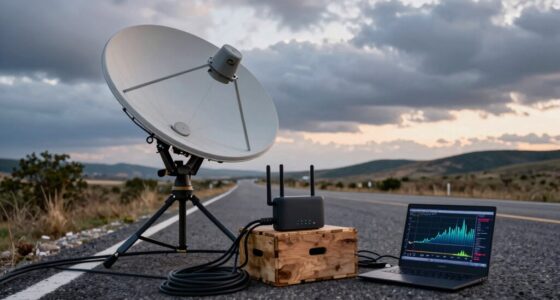

One common mistake is poorly placing your solar panels, which can reduce energy output and efficiency. Many overlook proper inverter sizing, risking damage or insufficient power for appliances. Underestimating your total energy needs leads to system issues and constant recharging. Oversized or undersized batteries and arrays can waste money or limit power. Careful planning of these aspects helps avoid costly errors. To protect your setup and get the most from your RV, keep these pitfalls in mind and learn more below.

Get travel and outdoor gear delivered free with Prime
- Fast, free delivery on millions of items
- Prime Video, Amazon Music and more included
- Member-only deals all year
Key Takeaways
- Improper solar panel placement reduces energy efficiency due to shading or inadequate sun exposure.
- Selecting an inverter that is too small or large can cause system trips or unnecessary costs.
- Underestimating total device wattage leads to insufficient power capacity and frequent recharging.
- Sizing the battery bank and solar array improperly limits energy availability and system performance.
- Neglecting comprehensive system planning causes inefficiencies and potential costly upgrades later.
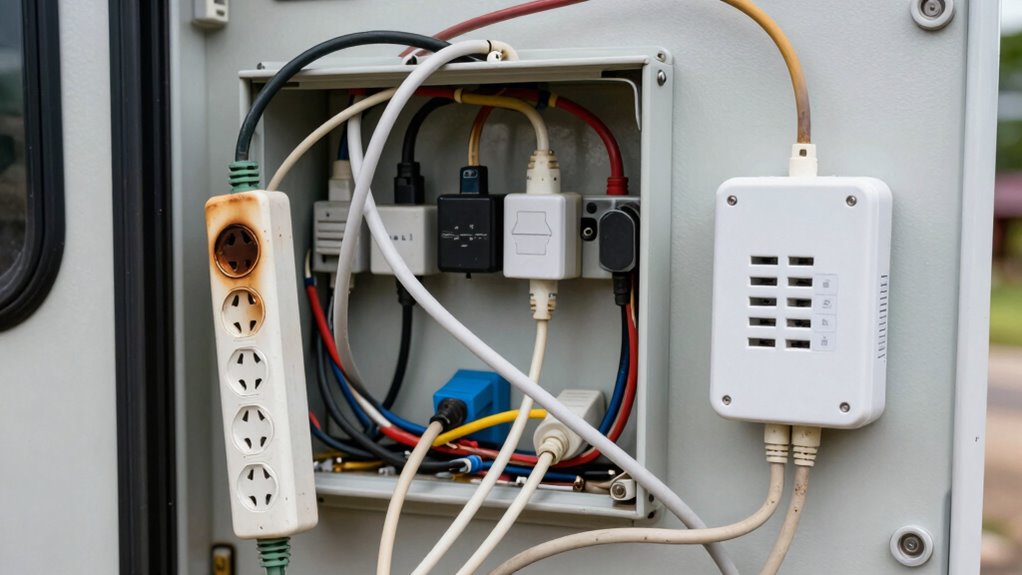
Are you confident your RV’s power setup is optimized? Many RV owners overlook critical details that can cause problems down the line, especially when it comes to solar panel placement and inverter sizing. Getting these aspects right is crucial to guarantee your system works efficiently and reliably. If you neglect proper solar panel placement, you risk uneven sunlight exposure, which reduces your panels’ overall energy output. You might find yourself installing panels in less-than-ideal spots, such as shaded areas or places where they don’t catch enough sun during peak hours. Instead, aim for a sunny, unobstructed location on your roof, and consider the angle and direction to maximize energy production. Proper placement means you get the most power from your panels, reducing reliance on shore power or generators and extending your boondocking options. Ensuring you understand how solar energy systems work can help you make better placement decisions.
Inverter sizing is another common mistake that catches many RV owners off guard. An undersized inverter won’t handle the surge loads of appliances like microwaves, coffee makers, or hairdryers, leading to frequent tripping or even damage. Conversely, oversizing your inverter can be a waste of money and space, especially if you don’t actually need that much capacity. To avoid this, you need to carefully analyze your typical power consumption and choose an inverter that can comfortably handle your peak loads. It’s best to plan for a slightly larger inverter than your current needs to accommodate future upgrades or increased power demands. This approach provides a buffer and ensures your appliances run smoothly without interruptions.
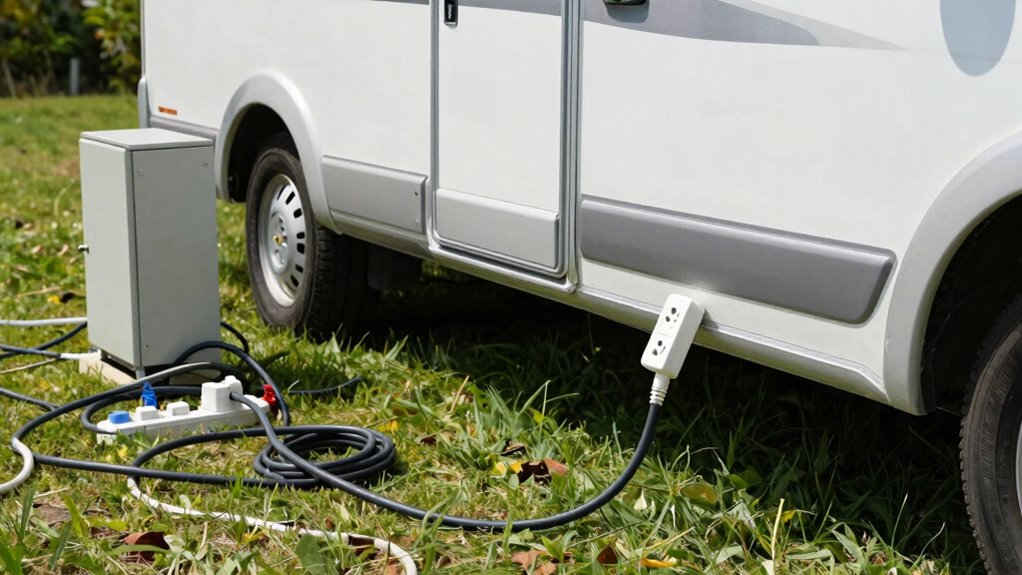
Another mistake related to power planning involves ignoring your total energy needs. Many RV owners underestimate the importance of calculating the total wattage of all devices you plan to run simultaneously. Failing to do this can lead to choosing a battery bank or solar array that’s too small, leaving you powerless when you need it most. Take the time to list every device and their wattage, then add a safety margin. This way, your system will be able to handle your typical energy use without constant recharging or strain. It’s also crucial to consider battery capacity and charging methods, ensuring they match your energy consumption and travel lifestyle.
RV solar panel mounting brackets
As an affiliate, we earn on qualifying purchases.
As an affiliate, we earn on qualifying purchases.
Frequently Asked Questions
How Can I Prevent Electrical Overloads in My RV?
To prevent electrical overloads in your RV, regularly inspect your solar panels and perform proper solar panel maintenance to guarantee they’re functioning efficiently without overloading your system. Use a reliable generator and follow safety guidelines to prevent overuse or electrical surges. Avoid plugging in too many devices at once, and always monitor your power usage. Proper planning and routine checks help keep your electrical system safe and efficient on the road.
What Are the Signs of a Faulty Power Setup?
You often notice flickering lights or frequent breaker trips, indicating a faulty power setup. Poor battery maintenance can cause inconsistent power flow, while unsafe generator operation might produce unusual noises or smells. These signs suggest you should check connections, confirm your batteries are charged, and prioritize generator safety. Addressing these issues promptly prevents damage and keeps your RV’s electrical system running smoothly, giving you peace of mind on the road.
How Often Should I Inspect My Rv’s Wiring?
You should inspect your RV’s wiring at least once every six months to guarantee safety and proper function. During these inspections, focus on battery maintenance, checking for corrosion and loose connections. If you have solar power integration, regularly examine the wiring for any wear or damage caused by the elements. Consistent inspections help prevent electrical issues, extend your system’s lifespan, and keep your RV powered efficiently on the road.
What Tools Are Essential for RV Power Troubleshooting?
Did you know that 80% of RV power issues stem from simple troubleshooting mistakes? To tackle these, you need essential tools like a multimeter for generator maintenance and battery troubleshooting. A multimeter helps you check voltage levels and diagnose wiring problems quickly, saving you time and stress. Keep a set of screwdrivers, pliers, and a flashlight handy too, ensuring you’re prepared for any electrical hiccup during your adventures.
How Do I Upgrade My Rv’s Electrical System Safely?
To upgrade your RV’s electrical system safely, start with proper RV battery maintenance, guaranteeing your batteries are in good condition before upgrades. Consider integrating solar panels to supplement power and reduce reliance on batteries. Always consult a professional for wiring and connections, use the correct gauges, and follow safety standards. Regularly inspect your system to prevent issues, and confirm your upgrades comply with electrical codes for safe, reliable power.
Conclusion
Avoiding common power planning mistakes is like steering a sturdy ship through calm waters—your RV remains steady and reliable. When you plan carefully, you’re the captain guiding your adventure, not tossed by storms of outages or overloads. Think of your setup as a well-tended garden—each wire and device positioned with purpose, ensuring growth without chaos. With mindful planning, your journey stays bright and smooth, illuminating every mile with confidence and peace of mind.
Fall Picks
fall essentials
As an affiliate, we earn on qualifying purchases.