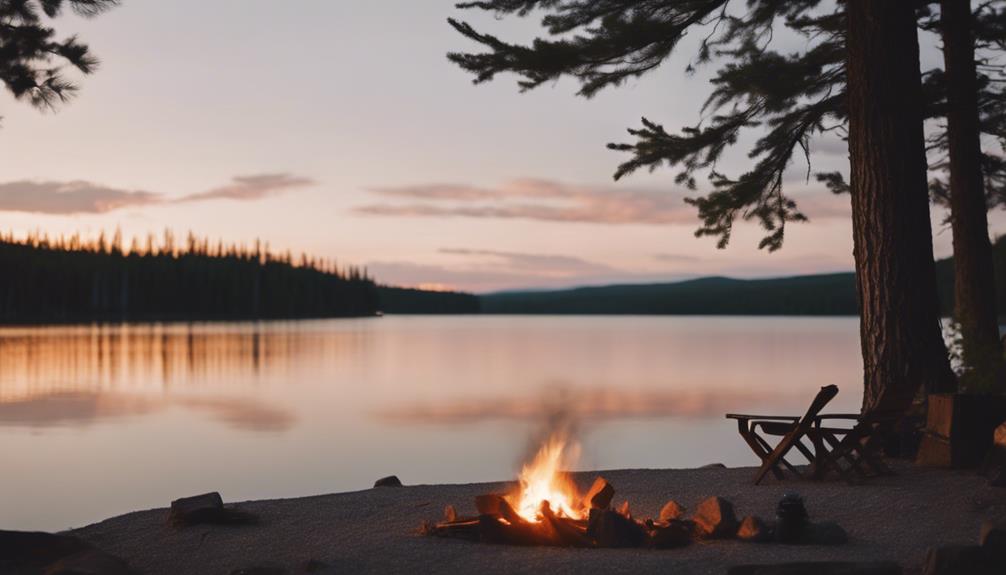
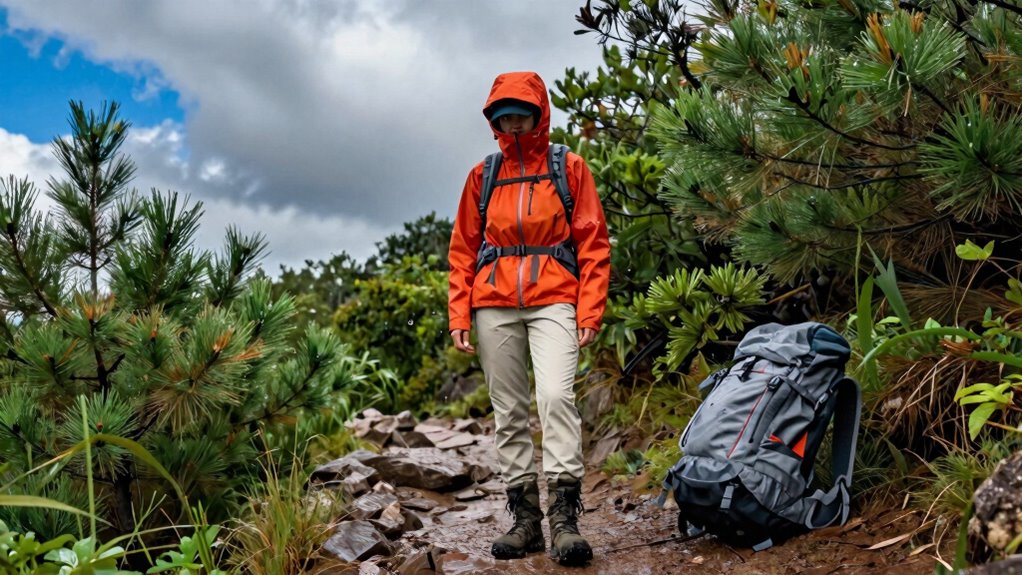

To handle changing camping weather, layer smartly by starting with a moisture-wicking base layer to keep sweat off your skin. Add insulating layers like fleece for warmth, and top with a waterproof, breathable outer shell to stay dry from rain or snow. Ventilate as needed to prevent overheating, and choose lightweight, flexible fabrics for ease of movement. Staying adaptable is key, so if you keep these tips in mind, you’ll be ready for whatever the weather throws your way.
Listen free for 30 days with Audible
Thousands of audiobooks and originals — cancel anytime.
As an affiliate, we earn on qualifying purchases.
Key Takeaways
- Layer your clothing with moisture-wicking base layers, insulating mid-layers, and waterproof outer shells for versatile adaptation.
- Choose breathable, quick-drying fabrics to stay comfortable as weather fluctuates.
- Carry lightweight, packable layers to add or remove easily throughout the day.
- Prioritize windproof and waterproof outer layers to protect against rain and wind.
- Use ventilation features like zippers and vents to regulate body temperature and prevent overheating.

When camping, your comfort and safety depend heavily on how well you dress for the weather. Weather can change rapidly throughout the day, so you need to be prepared for everything from chilly mornings to warm afternoons and cool evenings. The key to staying comfortable is mastering layering techniques. Instead of wearing a single bulky jacket, you should build your outfit with multiple layers that you can add or remove as conditions shift. This approach allows you to regulate your body temperature effectively, preventing overheating or getting too cold. Start with a base layer made from moisture wicking fabrics, which pull sweat away from your skin and keep you dry. Staying dry is essential because moisture can quickly lead to chills, especially if the temperature drops unexpectedly. Look for materials like polyester, merino wool, or synthetic blends—these fabrics dry quickly and manage moisture better than cotton, which tends to trap sweat and dampness.
Layer with moisture-wicking fabrics to stay dry and comfortable during changing weather conditions.
Next, add an insulating layer to trap heat and keep you warm when temperatures dip. Fleece or down jackets work well here because they provide good insulation without adding too much bulk. If you expect it to be particularly cold, consider packing a thermal layer that can be worn underneath your outer shell. The outer layer should be windproof and waterproof to protect you from rain, wind, and snow. A lightweight, waterproof shell allows you to stay dry while remaining mobile and comfortable. Make sure your outer layer is breathable as well, so sweat and moisture can escape without trapping heat and moisture inside. Proper ventilation of your clothing is also crucial to prevent moisture buildup inside, which can lead to cold and damp conditions. Additionally, selecting clothing with moisture-wicking fabrics can further help in managing sweat and maintaining comfort. Incorporating clothing with breathable materials can also enhance airflow and reduce the risk of overheating during active periods. Furthermore, choosing clothing made from advanced technical fabrics can provide extra protection and comfort in unpredictable weather conditions. Being aware of layering techniques enables you to adapt quickly to changing weather and stay comfortable throughout your trip. Remember, the goal is to stay dry, warm, and comfortable without overheating. By using effective layering techniques and moisture wicking fabrics, you’ll be able to handle unpredictable weather while enjoying your camping trip.
With the right clothing strategy, you’ll be prepared to face whatever the weather throws at you, staying comfortable and safe from dawn to dusk.
moisture-wicking base layer shirt
As an affiliate, we earn on qualifying purchases.
As an affiliate, we earn on qualifying purchases.
Frequently Asked Questions
How Can I Stay Comfortable During Unpredictable Temperature Shifts?
To stay comfortable during unpredictable temperature shifts, layer your clothing with moisture-wicking base layers, insulating mid-layers, and a waterproof outer shell. Adjust layers as needed, and keep a hat and gloves handy. Stay safe by practicing campfire safety and being aware of wildlife encounters, especially when temperatures drop at night. This way, you’ll stay warm, dry, and prepared for changing weather and outdoor challenges.
What Are the Best Clothing Materials for Variable Weather?
You should choose versatile clothing materials like moisture-wicking polyester, lightweight merino wool, and quick-drying nylon for variable weather. These fabrics help you stay dry, warm, and comfortable as conditions change. Check your weather forecast to anticipate temperature shifts and pack appropriate camping gear, like layered pieces, to adapt easily. This way, you stay prepared and comfortable, no matter how unpredictable the weather becomes throughout your trip.
How Should I Layer My Clothing for Quick Adjustments?
You need to master layering techniques to handle unpredictable weather like a pro. Start with a moisture-wicking base layer, add an insulating middle layer, and top it with a waterproof shell. When the sun blazes, peel off layers; when it chills, add more. Your clothing shift should be seamless, turning you into a weather ninja ready for anything. This way, you stay comfortable, no matter how wild the weather gets.
What Accessories Are Essential for Changing Weather?
You should carry essential accessories like rain gear to stay dry during sudden downpours and sun protection items such as a hat, sunglasses, and sunscreen to shield yourself from UV rays. These accessories allow you to adjust quickly as weather shifts. Packing lightweight rain jackets and broad-brimmed hats ensures you’re prepared for both rain and sun, keeping you comfortable and safe throughout your camping adventure.
How Can I Prevent Sweating or Chills During Rapid Weather Changes?
To prevent sweating or chills during rapid weather changes, you should layer wisely, adjusting as needed. Wear breathable rain gear to stay dry without overheating and add or remove layers accordingly. Protect yourself with sun protection like hats and sunscreen when the sun’s out, then add insulation when it cools. Staying adaptable keeps you comfortable, avoiding the extremes of sweat and chills, no matter how quickly the weather shifts.
Conclusion
So, as you pack for your adventure, remember that the weather can surprise you at any moment. Stay flexible with your layers, and don’t underestimate the power of a good waterproof jacket. The unpredictable skies might challenge your plans, but they also teach you to adapt and trust your instincts. Keep your gear ready, and embrace the unknown—you never know what kind of day awaits just beyond the clouds. The true journey begins when you’re prepared for anything.
Flea & tick season Picks
flea and tick prevention
As an affiliate, we earn on qualifying purchases.