
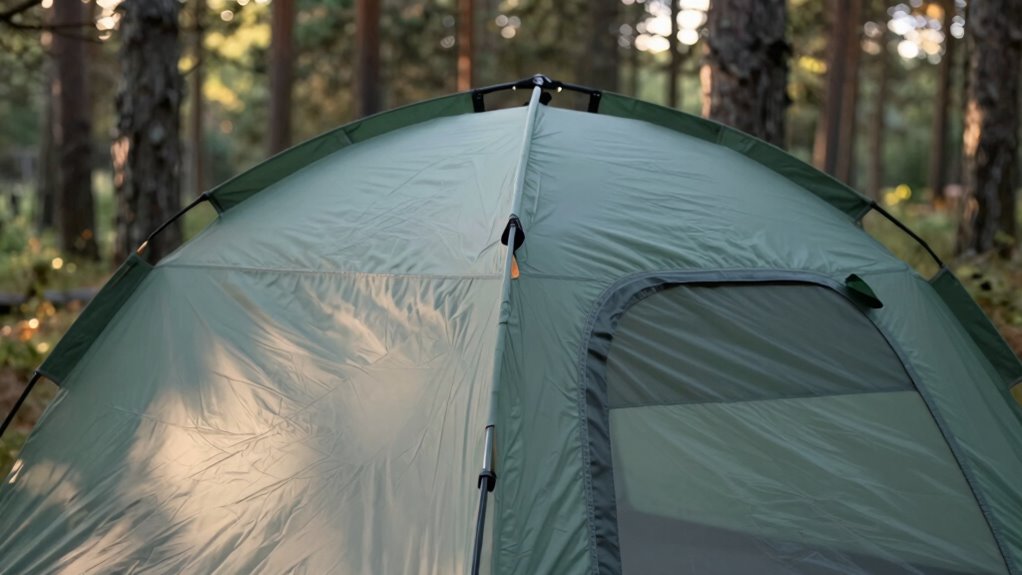
Advancements in tent materials have transformed your outdoor adventures by making shelters lighter, stronger, and more adaptable to various environments. Modern fabrics like nylon and polyester, with waterproof coatings and ripstop technology, guarantee durability and weather resistance. These innovations also improve moisture management and ventilation, keeping you comfortable and dry. Because tents are easier to pack and transport, you can explore more remote areas confidently. If you’re curious about how these changes continue to shape outdoor travel, there’s plenty more to discover.

Get travel and outdoor gear delivered free with Prime
- Fast, free delivery on millions of items
- Prime Video, Amazon Music and more included
- Member-only deals all year
Key Takeaways
- Lighter, synthetic fabrics enable easier packing and transportation for extended outdoor trips.
- Waterproof and breathable materials improve comfort and protection in diverse weather conditions.
- Enhanced durability and tear resistance allow tents to withstand harsh environments and prolong lifespan.
- Advanced materials support specialized designs for different terrains like alpine, desert, or rainforest.
- Technological innovations foster safer, more reliable outdoor adventures with reduced resource consumption.
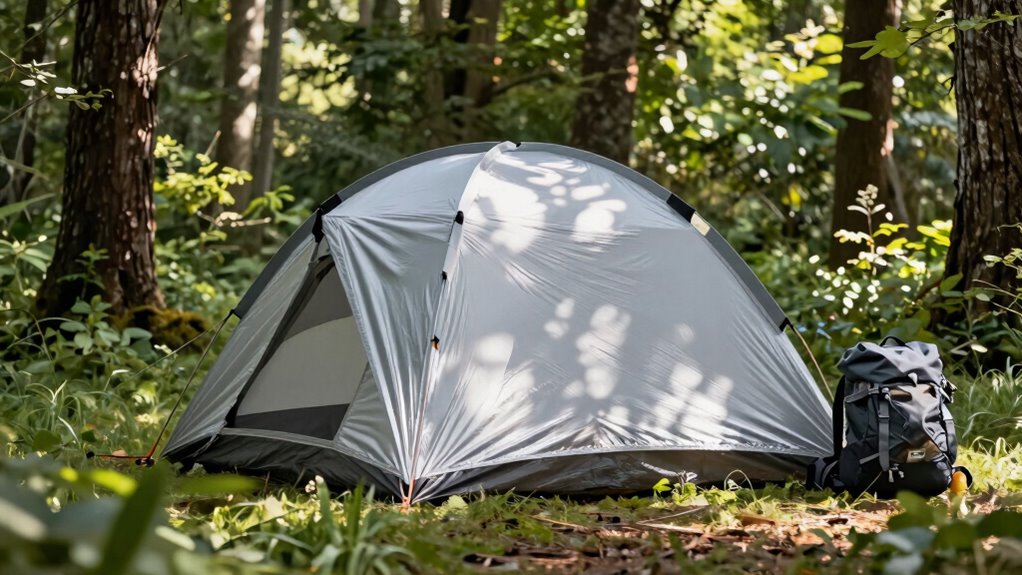
When choosing a tent for outdoor travel, understanding the materials it’s made from is vital to ensuring comfort, durability, and protection from the elements. Over the years, advances in camping technology have radically transformed how people experience the outdoors. Modern tent fabrics aren’t just lightweight and easy to set up—they’re engineered to withstand the rigors of wilderness durability, offering you peace of mind no matter where your adventures take you.
In the past, tents were often made from heavy canvas or thick cotton, which provided decent protection but limited mobility and increased packing weight. Today, lightweight synthetic fabrics like nylon and polyester dominate the market, thanks to their ability to combine strength with minimal bulk. These materials are often coated with waterproof membranes such as polyurethane or silicone, creating a reliable barrier against rain and moisture. This shift in materials has made outdoor travel more accessible and comfortable, allowing you to pack lighter and explore further without sacrificing protection.
The evolution of tent fabrics has also introduced innovations like ripstop technology, where fibers are woven in a way that prevents tears from spreading. This wilderness durability is vital for camping in rugged environments, where sharp rocks, branches, or accidental abrasions can threaten the integrity of your shelter. With these advancements, tents can endure more demanding conditions, giving you confidence to venture into remote wilderness areas or unpredictable weather.
Climate adaptability is another game-changer brought about by improved materials. Modern fabrics with high UV resistance and breathability prevent condensation build-up inside the tent, which can be a common issue in older designs. By managing moisture more effectively, these materials keep you dry and comfortable, regardless of the weather outside. This technological progress not only enhances your camping experience but also extends the lifespan of your gear, making your investment more worthwhile. Additionally, advancements in tent materials have led to lighter and more compact designs, making packing and transportation even easier. These innovations are also crucial for sustainable outdoor practices by reducing waste and resource consumption.
Furthermore, the development of durable, weather-resistant materials has expanded outdoor travel possibilities. You no longer need to worry about sudden storms or prolonged rain, because your tent can handle it. This has encouraged more people to explore wilderness areas and set out on longer trips, confident that their shelter can withstand the elements. Essentially, the advancements in tent materials have redefined outdoor travel—making it safer, lighter, and more reliable—opening up new horizons for adventure enthusiasts like you.
Additionally, innovations in tent materials have led to increased versatility, allowing tents to be designed for specific environments such as alpine, desert, or rainforest conditions.
As an affiliate, we earn on qualifying purchases.
Frequently Asked Questions
How Do Tent Materials Impact Camping Safety During Storms?
Tent materials greatly impact your safety during storms by offering better storm resistance and material flexibility. Strong, durable fabrics like ripstop nylon or polyester resist tearing and withstand strong winds, keeping you safe. Flexible materials allow the tent to move with gusts without collapsing, reducing risk. By choosing high-quality, storm-resistant fabrics, you guarantee your shelter remains secure, protecting you and your gear through unpredictable weather conditions.
Are Eco-Friendly Tent Fabrics as Durable as Traditional Ones?
Think of eco-friendly tent fabrics like a delicate leaf, strong yet gentle. Biodegradable fabrics now match traditional synthetic durability, standing up to weather and wear. While they symbolize harmony with nature, they’ve evolved to guarantee long-lasting performance. So, when you choose eco-friendly materials, you get the resilience you need without sacrificing sustainability, allowing you to adventure confidently while protecting the environment.
How Do Tent Materials Affect Weight for Backpacking Trips?
You’ll notice that lightweight fabrics considerably reduce your tent’s weight, making backpacking easier and less tiring. Breathable textiles also help by lowering overall weight and improving comfort, especially in warmer weather. These advanced materials allow you to pack more gear without adding bulk, and they set new standards for portability. By choosing tents with lightweight and breathable fabrics, you make your outdoor adventures more manageable, enjoyable, and efficient.
What Maintenance Is Required for Different Tent Fabrics?
To maintain your tent fabrics, you should regularly clean tent fabric care with gentle soap and water, avoiding harsh chemicals. Always dry fabrics thoroughly to prevent mold. Repair tears promptly to extend material lifespan. For different fabrics, follow manufacturer care instructions, as some materials require waterproofing treatments or special maintenance. Proper upkeep guarantees your tent stays durable and reliable, so you can enjoy outdoor adventures longer.
How Have Tent Materials Influenced Wilderness Conservation Efforts?
Tent materials act as the backbone of wilderness conservation, shaping your impact on nature. You help protect wildlife habitats by choosing tents made from sustainable manufacturing processes, reducing environmental harm. These eco-friendly fabrics lessen pollution and resource depletion, ensuring natural ecosystems thrive. When you opt for such materials, you become a steward of the wilderness, turning your camping adventures into a positive force that supports conservation efforts and preserves the beauty of our outdoor world.
Conclusion
Thanks to these high-tech tent materials, you can now camp in the rain, snow, or blazing sun without a second thought—because who needs comfort or durability when you have lightweight, breathable fabrics that defy nature’s worst? Gone are the days of worrying about torn canvases or soggy sleeping bags. Now, with the magic of modern materials, you’re basically invincible—just don’t forget your high-tech gear when you inevitably get lost in the wilderness of your own making.
Halloween Picks
halloween
As an affiliate, we earn on qualifying purchases.