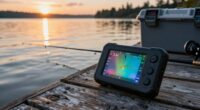
To make group camping much easier, develop a solid water strategy by packing durable containers, portable filtration systems, and purification tablets. Identify natural water sources beforehand and learn safe treatment methods. Assign someone to monitor supplies, guarantee everyone stays hydrated, and organize routine water management. Plan meals that conserve water, and store extra in large, sealed containers for reliability. If you keep these tips in mind, you’ll stay well-prepared and maximize your water efficiency. Keep going to discover more tips to streamline your water plan.

Get travel and outdoor gear delivered free with Prime
- Fast, free delivery on millions of items
- Prime Video, Amazon Music and more included
- Member-only deals all year
Key Takeaways
- Use large, sealed water containers and portable filtration devices for reliable, easy access to safe drinking water.
- Plan meals with minimal water requirements and incorporate dehydrated options to conserve water.
- Assign a group member to monitor water supplies and promote regular hydration.
- Incorporate natural water sources with proper treatment methods for sustainable water sourcing.
- Carry backup purification tablets and learn water testing techniques for added safety and flexibility.
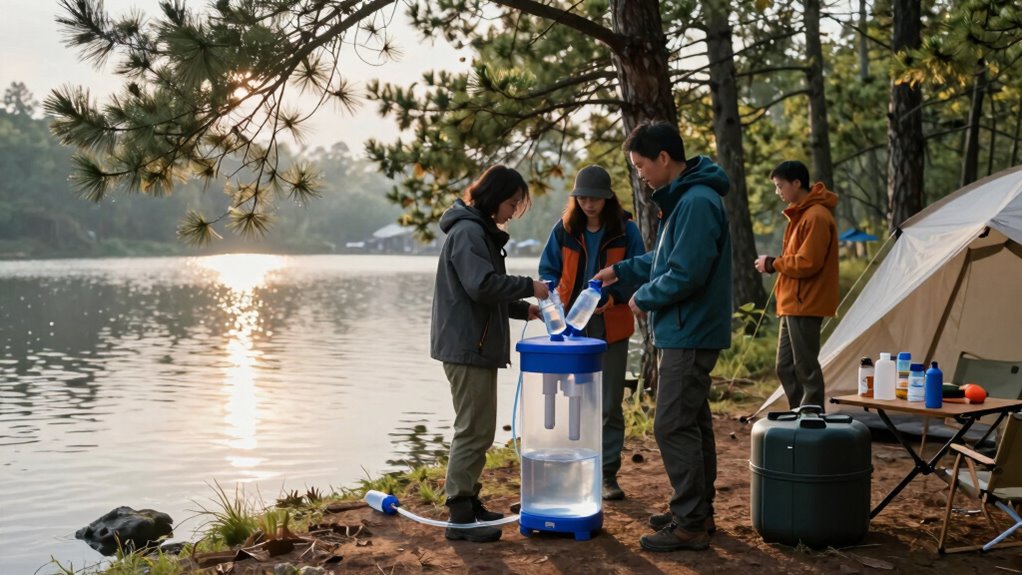
When planning a group camping trip, having a solid water strategy is crucial to guarantee everyone stays hydrated and healthy. It’s not just about packing enough water bottles; you need a plan that guarantees access to clean water throughout your adventure. Your camping gear should include durable water containers, filtration systems, and purification tablets. These tools will help you store and treat water from natural sources like streams or lakes, especially when your supplies run low. Remember, relying solely on store-bought bottles can be heavy and costly. Instead, using a combination of large water jugs and portable filtration devices can save space and make your water supply more sustainable.
A solid water strategy with durable containers and filtration ensures a sustainable, healthy camping experience.
Meal planning plays a significant role in your water strategy too. When you decide what to eat, consider how much water each meal requires. For example, dehydrated or freeze-dried camping meals are convenient because they need minimal water for preparation, conserving your supplies. Fresh produce, on the other hand, can be heavy and require more water for cleaning and cooking. By choosing meals wisely, you can reduce water consumption without sacrificing nutrition or enjoyment. Always plan for extra water for cooking and cleaning, especially when tackling more elaborate meals. Keep in mind that some ingredients, like pasta or rice, soak up a lot of water, so factor that into your planning. Additionally, understanding natural water sources and how to treat them properly is essential for maintaining a reliable water supply. Incorporating water treatment methods into your routine ensures safety when using untreated water from the wild. Being familiar with water testing techniques can help you confirm water safety before consumption. Learning about water sources in advance can help you identify the safest options and avoid potential contaminants.
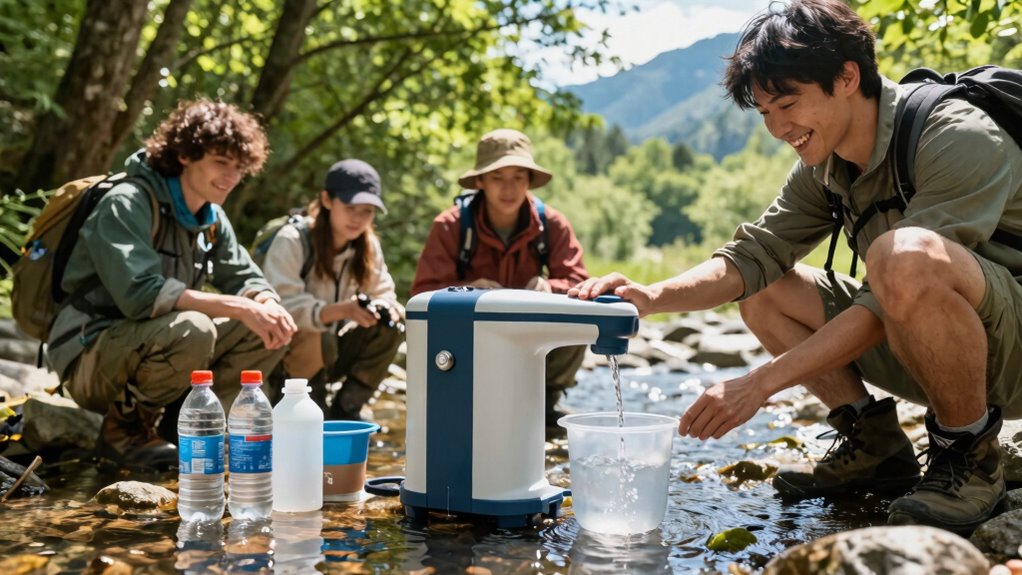
Your camping gear should include reliable water filtration and purification options. A sturdy pump filter or gravity filter allows you to treat water from natural sources effectively. Carrying purification tablets as a backup provides peace of mind in case your primary system fails. Properly storing water in large, sealed containers ensures you have enough for drinking, cooking, and hygiene. Also, consider packing collapsible water bottles or hydration packs for quick access during hikes or activities. Hydration is crucial, so make sure everyone has easy access to water at all times.
Finally, establish a routine for water management within your group. Assign someone to monitor water supplies and remind everyone to drink regularly. Encourage your group to avoid waste by using water efficiently and cleaning up properly after meals. By integrating your camping gear choices and meal planning into a thorough water strategy, you’ll simplify logistics, keep everyone healthy, and enjoy your trip to the fullest. When everyone understands the plan, water management becomes second nature, making your group camping experience smoother and more enjoyable.
portable water filtration system for camping
As an affiliate, we earn on qualifying purchases.
As an affiliate, we earn on qualifying purchases.
Frequently Asked Questions
How Much Water Should Each Person Bring for Group Camping?
You should plan for about a gallon of water per person per day for camping hydration, especially if you’re engaging in outdoor activities. To practice water conservation, carry reusable bottles and refill them as needed. It’s smart to bring extra water for cooking, cleanup, and emergencies. By managing your water wisely, you guarantee everyone stays hydrated and the environment stays protected, making your group camping experience more enjoyable and sustainable.
What Are the Best Water Purification Methods for Large Groups?
Imagine a well-oiled machine—your water purification system for large groups. Use water filtration to quickly remove particles and bacteria, ensuring safe drinking water. Complement this with chemical purification, like iodine or chlorine tablets, to kill viruses. Combining both methods guarantees thorough purification, even in remote areas. This approach keeps everyone safe and hydrated, making group camping smoother and more enjoyable, just like a smoothly running machine.
How Do You Store and Transport Large Quantities of Water Safely?
You should use sturdy water container options like large jerry cans or food-grade water tanks for safe water handling. Make certain containers are clean before filling and keep them sealed to prevent contamination. Transport water in a secure, upright position to avoid spills, and store them in shaded, cool areas to prevent algae growth. Regularly check for leaks or damage, and always label containers clearly for easy identification.
What Are Eco-Friendly Ways to Minimize Water Waste During Camping?
Think of yourself as a wise gardener, nurturing your camp’s water garden. To minimize water waste, practice water conservation by using eco-friendly accessories like collapsible bottles and drip irrigation for washing. Reuse gray water for cleaning or watering plants. Keep showers short, and avoid overusing water on dishes. Small mindful choices, like these, help protect our environment while ensuring you have enough water for everyone on your camping adventure.
How Can I Ensure Water Access in Remote Camping Locations?
To guarantee water access in remote camping locations, you should focus on water conservation and rain harvesting. Carry portable water filters and purification tablets to make local water safe. Set up rain harvesting systems using tarps and containers to collect rainwater efficiently. This approach reduces reliance on carried water, conserves resources, and provides a sustainable water supply, making your group camping experience more manageable and environmentally friendly.
Conclusion
With this water strategy in hand, you’ll navigate group camping like a skilled captain steering through calm and stormy waters alike. Think of your water plan as the steady heartbeat of your adventure, keeping everyone invigorated and ready to explore. When you stay prepared, the trip flows smoothly, turning every moment into a splash of joy and camaraderie. So, embrace this strategy, and let your camping journey be as invigorating and endless as a bubbling brook.
Fall Picks
fall essentials
As an affiliate, we earn on qualifying purchases.