
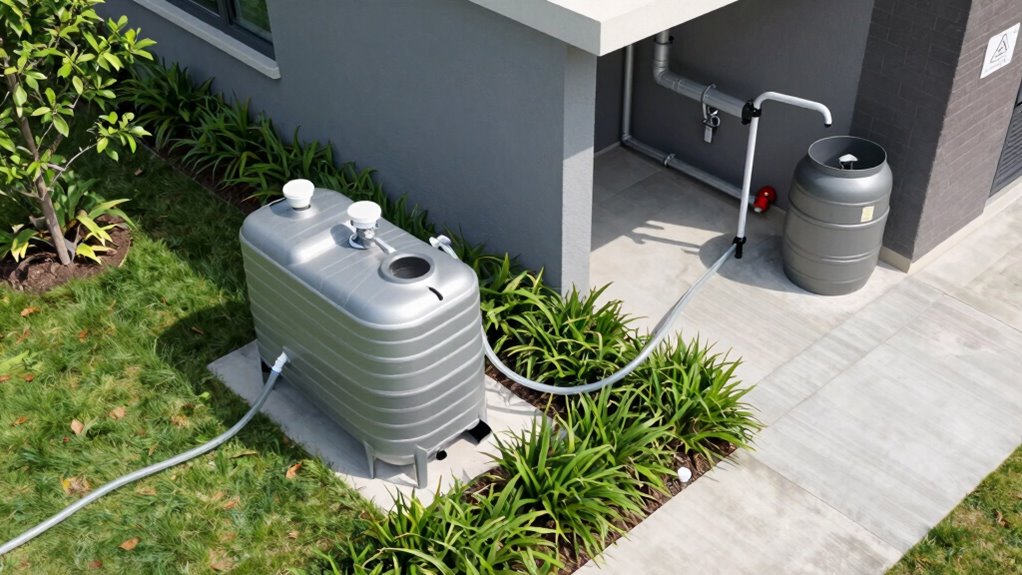

Grey water comes from sinks, showers, and laundry and usually flows through dedicated pipes to treatment systems or outdoor disposal areas like yards. To store it safely, use sealed, durable tanks kept away from children and pets, regularly cleaned and maintained. To avoid fines, follow local rules about permits, proper disposal methods, and system design; never discharge grey water into storm drains or unauthorized areas. If you want to learn more, you’ll find helpful tips on managing and complying with grey water rules below.
Key Takeaways
- Grey water from sinks, showers, and laundry can be directed to treatment systems or outdoor irrigation, avoiding storm drains and septic tanks.
- Store grey water in sealed, durable tanks—above or underground—with filtration and regular cleaning to prevent bacteria buildup.
- Always comply with local regulations by obtaining permits, following disposal rules, and using approved systems to avoid fines and legal issues.
- Properly design your grey water system with dedicated plumbing, and avoid discharging into storm drains or unauthorized areas.
- Conduct routine maintenance, keep documentation, and stay informed about laws to prevent violations and ensure safe, legal grey water use.
What Is Grey Water and Why Does It Matter?
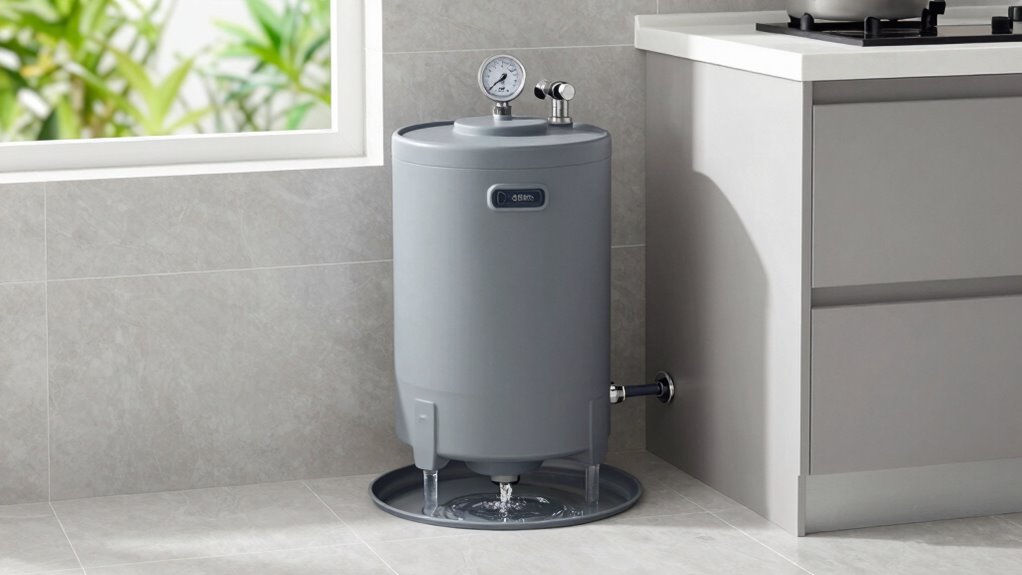
Have you ever wondered what happens to the water you use in your daily routines? That’s where grey water comes in. Grey water is the relatively clean wastewater from sinks, showers, and laundry, excluding toilet waste. Instead of letting it go down the drain and get treated as sewage, you can reuse it for other purposes, like watering plants or flushing toilets. This practice of water reuse helps conserve fresh water, reduce your water bills, and lessen the strain on local water treatment facilities. Understanding what grey water is and its benefits encourages you to find smarter ways to handle wastewater. Properly managing grey water can make a significant environmental difference while saving you money and resources. Incorporating balance and motivation into your water management efforts can help you stay consistent and committed to sustainable practices.
Where Does Grey Water Go in a Typical Home?
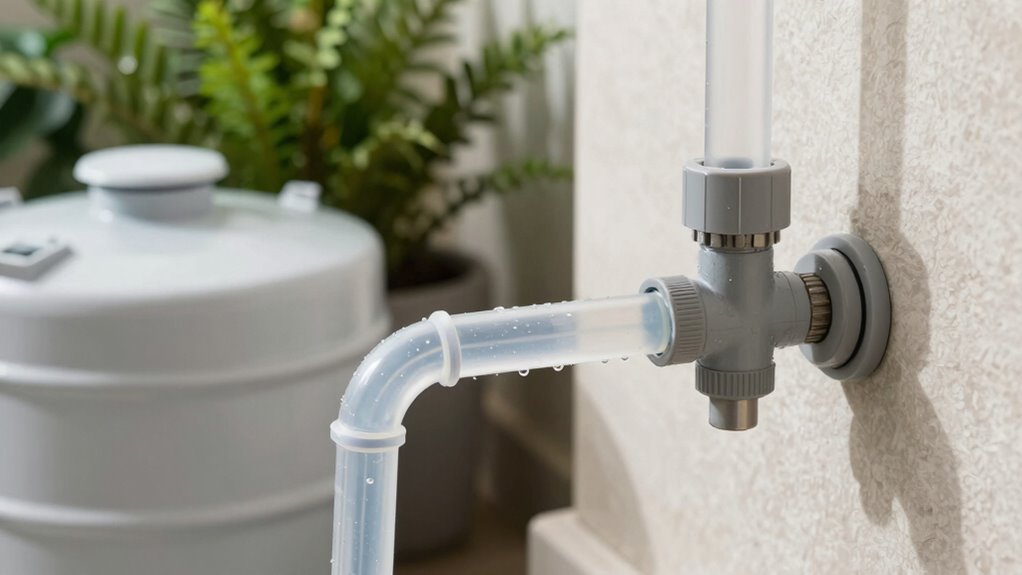
In most homes, grey water flows through dedicated pipes to either the sewer system or a grey water recycling setup. The pathway depends on your plumbing design, local rules, and your disposal choices. Understanding these routes helps you manage grey water responsibly and stay compliant with regulations. Properly integrating free floating features like landscaping or outdoor amenities can also influence how grey water is directed and utilized on your property.
Main Drainage Pathways
When grey water flows from household appliances and fixtures, it typically follows a designated pathway through the plumbing system. Your home’s drainage pathways direct this water toward specific plumbing routes, ensuring proper flow and separation from black water. These routes usually lead to:
- A dedicated grey water drain line
- A branch off the main sewer line
- An underground drainage pipe
- A grey water recycling or storage tank
- An external drainage outlet for dispersal
Understanding these plumbing routes helps you identify where grey water travels, minimizing risks of contamination. Properly managing these drainage pathways is essential for sustainable reuse and avoiding plumbing issues. Clear pathways ensure grey water flows efficiently, reducing potential blockages or leaks. Proper drainage management is crucial to prevent backups and environmental hazards.
Grey Water Disposal Methods
Grey water in a typical home is directed through specific disposal methods that help manage and reuse it effectively. The main disposal options include directing grey water to a grey water treatment system or safely diverting it to the yard for irrigation. Proper grey water treatment involves filtering and sometimes disinfecting to remove contaminants, making it suitable for reuse. Many homeowners install grey water systems that connect to sinks, showers, or washing machines, allowing water to be reused for landscape watering or groundwater recharge. If not properly treated, grey water can cause health hazards or property damage, so choosing the right disposal method is vital. These options help conserve fresh water and reduce waste, but always guarantee your disposal methods comply with local regulations.
Local Regulatory Requirements
Understanding where grey water can go in your home depends on local regulations that govern wastewater management. To stay compliant, you need to be aware of specific rules regarding grey water systems, including permit requirements and restrictions. Failure to meet these regulations can lead to fines or system shutdowns. Regulations often specify approved disposal methods, such as underground drain fields or dedicated grey water systems, and may restrict grey water from certain areas like septic tanks or storm drains. It’s essential to consult local authorities or health departments before installing or modifying your grey water system. Ensuring regulatory compliance protects your property and the environment. Keep in mind these common requirements:
- Permits for grey water system installation
- Restrictions on grey water discharge locations
- Approved disposal methods
- Inspection and approval processes
- Variations by jurisdiction
Additionally, understanding the horsepower of electric dirt bikes can help you choose the right system if you plan to incorporate electric-powered components into your grey water setup.
How to Navigate Local Regulations and Permits for Grey Water Recycling
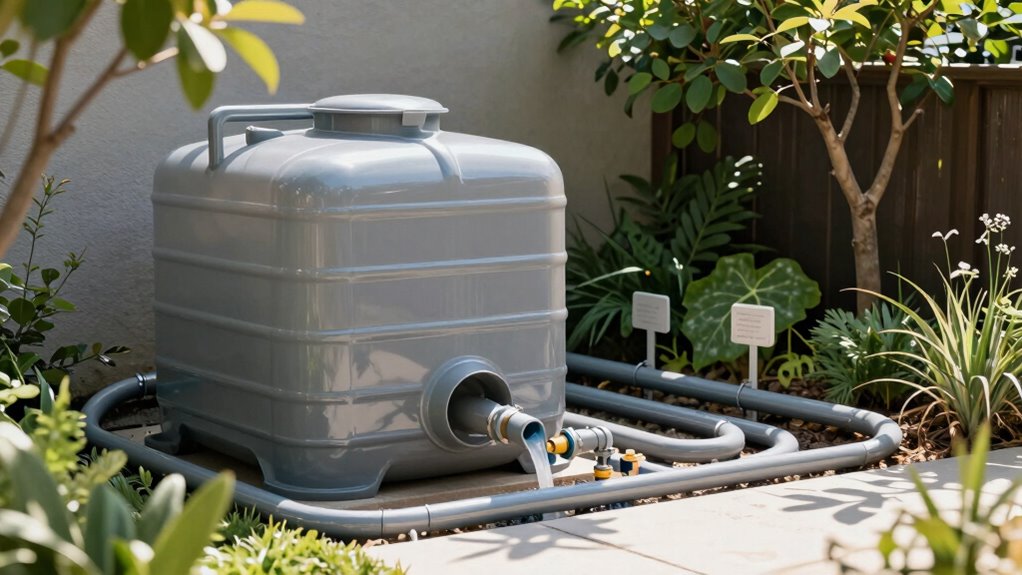
Understanding local regulations is essential before starting your grey water system, so you know what rules apply in your area. You’ll need to navigate the permit application process and make certain your setup meets all requirements. Staying compliant with inspections helps avoid fines and ensures your system operates safely and effectively. Additionally, being aware of vetted policies can help you stay informed about the latest standards and best practices for grey water management.
Local Regulations Overview
Are you aware of the local regulations that govern grey water recycling in your area? Understanding these laws is essential to avoid fines and ensure your system complies. Local laws can vary widely, so it’s important to research specific requirements. For instance, some areas restrict the use of grey water for certain applications or specify how it must be stored and treated.
Key points to consider include:
- Restrictions on where grey water can be discharged
- Requirements for grey water storage tanks
- Limits on system size and capacity
- Certification or inspection needs
- Penalties for non-compliance
Staying informed helps you design a system that aligns with local laws, ensuring safe and legal grey water use in your home. Additionally, understanding the regulations governing grey water can help you anticipate potential challenges and adapt your system accordingly.
Permit Application Process
Guiding the permit application process is a key step in guaranteeing your grey water recycling system complies with local regulations. To start, research your area’s specific permit process, as requirements vary by location. Typically, you’ll need to gather detailed plans of your grey water system, including installation diagrams and safety measures. The application steps often involve filling out forms, submitting these plans, and paying any applicable fees. It’s important to follow each step carefully and provide all requested documentation to avoid delays. Some jurisdictions might require inspections or additional approvals before granting a permit. Staying organized and communicating with local authorities helps streamline the permit process and ensures your grey water system remains compliant. Proper documentation and understanding of local regulations are essential for a smooth approval process. Completing this process correctly protects you from fines and legal issues.
Compliance and Inspections
Managing local regulations and inspections can seem intimidating, but staying proactive helps guarantee your grey water recycling system remains compliant. To assure you meet regulatory compliance, familiarize yourself with inspection procedures and local codes. Regularly review updates from authorities to stay informed about changes. When preparing for inspections, keep detailed records of system maintenance, permits, and water quality tests. Engage with local officials early to clarify requirements and address concerns. Remember, failure to adhere can result in fines or system shutdowns. Additionally, understanding grey water regulations in your area can prevent unexpected violations. Keep your system in prime condition to pass inspections easily.
How to Properly Collect and Store Grey Water Safely at Home
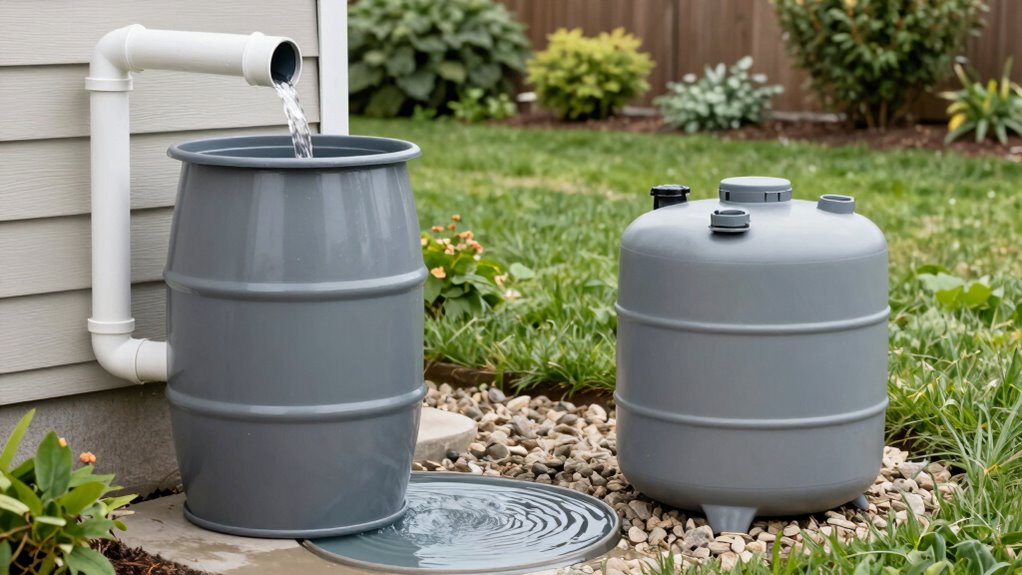
To collect and store grey water safely at home, you need to set up a system that minimizes risks and prevents contamination. Start by using separate plumbing for grey water, avoiding cross-contamination with black water. Incorporate rainwater harvesting techniques to supplement your grey water recycling system, ensuring a continuous supply. Use dedicated, sealed containers to store grey water and keep them away from children and pets. Regularly clean and inspect your storage units to prevent algae and bacteria buildup. To help visualize, here’s a quick overview:
| Grey Water Collection | Storage & Safety Measures |
|---|---|
| Use separate plumbing | Store in sealed, dedicated tanks |
| Implement rainwater harvesting | Regular cleaning and inspection |
| Prevent cross-contamination | Keep away from children and pets |
| Maintain system integrity | Use biodegradable cleaning agents |
Additionally, understanding local regulations and proper disposal practices can help you avoid fines and ensure your grey water system remains compliant and safe.
What Are the Best Grey Water Storage Solutions for Your System?
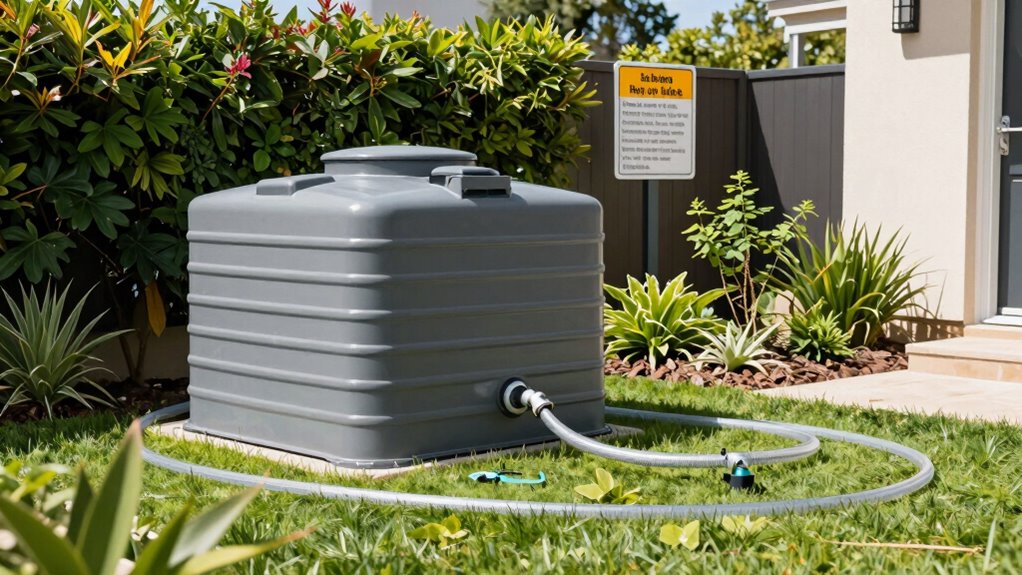
Choosing the right grey water storage solution is essential for maintaining a safe and efficient recycling system. Your options include various storage tank options that suit different needs. For grey water gardens, consider tanks that are durable and corrosion-resistant, ensuring safe, long-term use. You might select above-ground tanks for easy access or underground tanks to save space and prevent evaporation. Insulated tanks help prevent freezing in colder climates. You can also use modular tanks that expand as your system grows. Additionally, integrating filtration systems within your storage can improve water quality for reuse. Proper sizing is critical—too small, and you’ll run out; too large, and you’ll waste space. Ultimately, your choice depends on your garden size, system design, and local regulations. Moreover, understanding system efficiency helps optimize storage capacity and flow rate, ensuring reliable grey water reuse.
Common Mistakes That Lead to Fines in Grey Water Systems
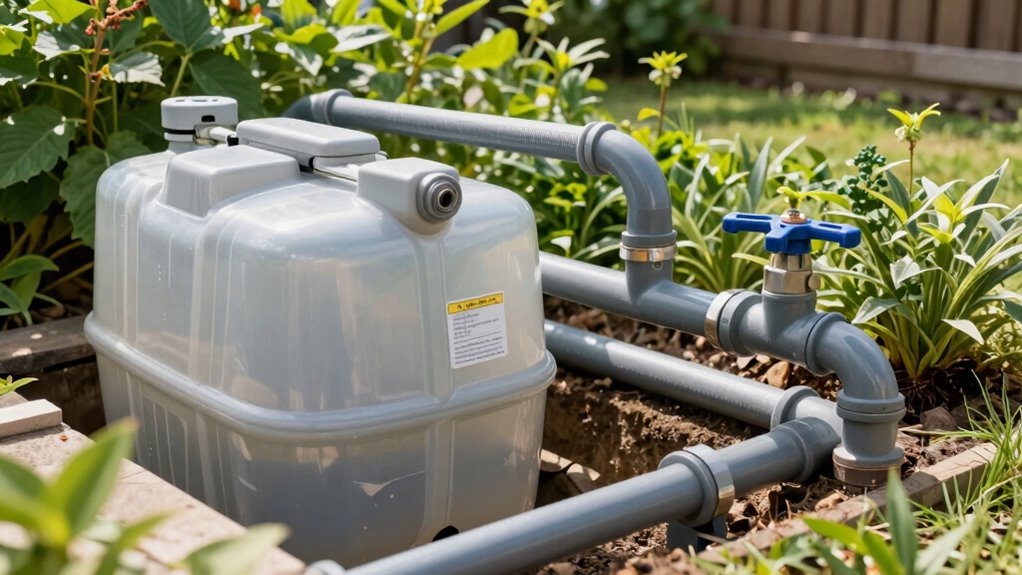
One of the most common ways people unintentionally face fines with their grey water systems is by neglecting local regulations and proper system design. Illegal discharge of grey water can lead to hefty penalties, especially if you’re releasing wastewater into areas not approved by authorities. An unpermitted installation is another major mistake; installing a grey water system without the necessary permits can result in fines or forced removal. To avoid these issues, you must understand your local laws and ensure your system complies. Proper planning and adherence to regulations help prevent illegal discharge and unpermitted installations, saving you from costly fines. Staying informed and working with professionals can ensure your grey water system operates legally and efficiently.
How to Design a Legal and Efficient Grey Water System
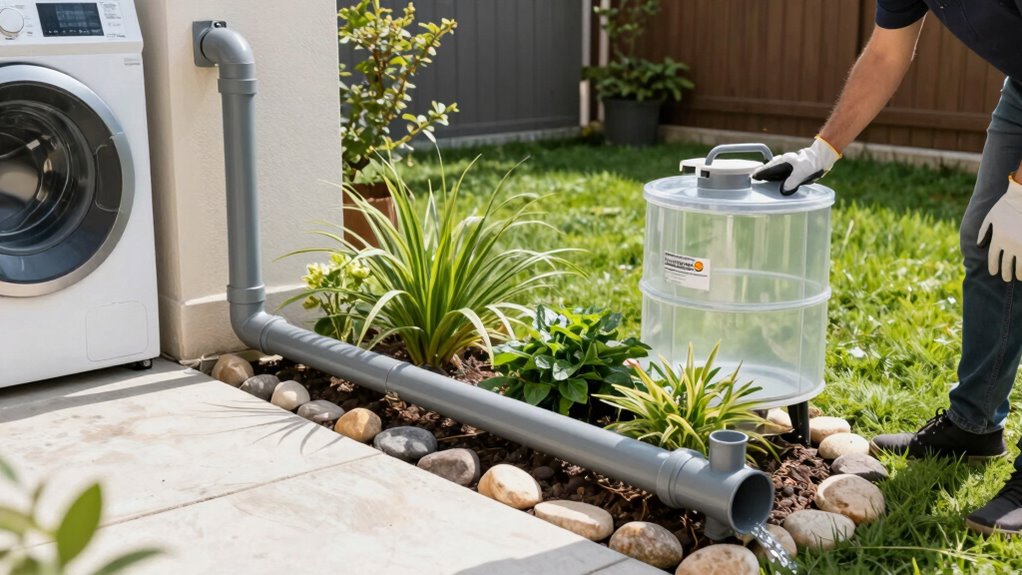
Designing a legal and efficient grey water system starts with understanding your local regulations and planning accordingly. Legal considerations vary by location, so check permits, restrictions, and allowed uses before designing your system. To guarantee compliance, consider these factors:
Begin by understanding local laws and restrictions to ensure a compliant grey water system.
- Use approved grey water systems that meet local standards
- Avoid directing grey water into storm drains or water bodies
- Install filters and diverters to prevent contamination
- Keep grey water storage tanks below certain capacities if required
- Label and clearly mark grey water outlets for safety
How to Maintain and Troubleshoot Your Grey Water Setup
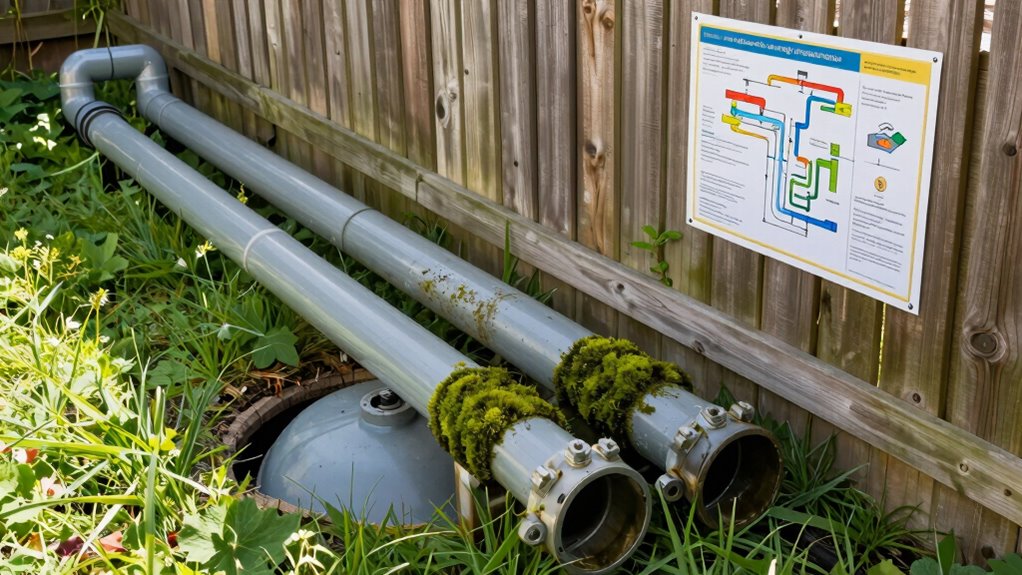
Maintaining and troubleshooting your grey water system is vital to guarantee it functions safely and efficiently over time. Regular system maintenance helps prevent clogs, leaks, and foul odors that can arise from neglected grey water treatment. Check filters and screens frequently to catch debris before it causes blockages. Inspect hoses and connections for leaks or wear, replacing parts as needed. If you notice slow drainage or unpleasant smells, it’s likely time to clean or service your treatment components. Proper grey water treatment is essential for safe reuse, so ensure your system adheres to local guidelines. Staying proactive with routine maintenance keeps your grey water setup operating smoothly, minimizes the risk of fines, and extends its lifespan. Consistent checks are your best defense against costly repairs.
Simple Eco-Friendly Tips to Maximize Water Conservation With Grey Water
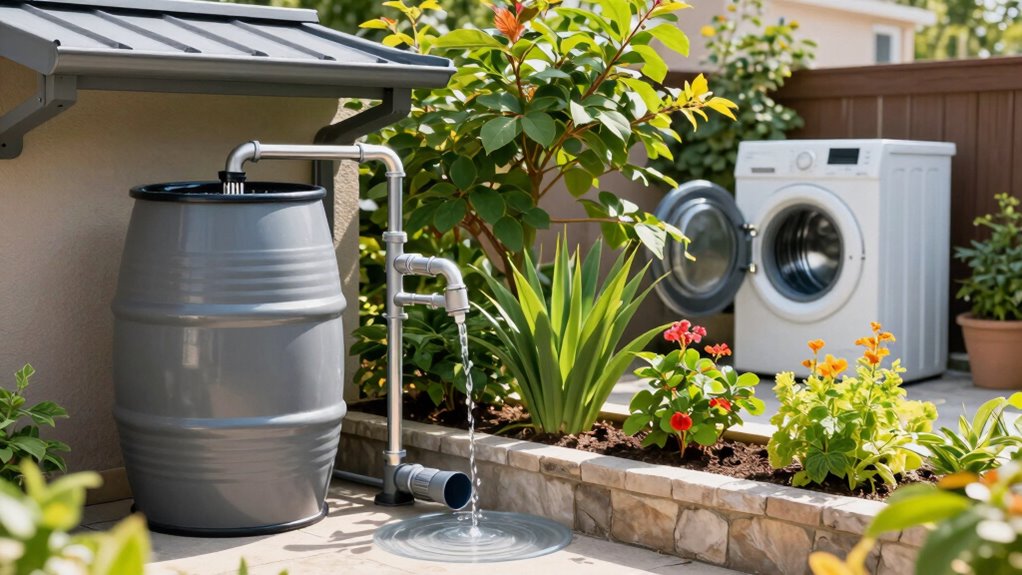
To get the most out of your grey water system, focus on efficient recycling methods that reduce waste. Make sure you use safe storage practices to prevent contamination and evaporation. These simple steps help you conserve water while keeping your system eco-friendly.
Efficient Water Recycling Methods
Using grey water efficiently can considerably reduce your overall water consumption and lower utility bills. To maximize water recycling, focus on simple methods that make the most of your grey water. Start by installing low-flow fixtures to minimize waste. Use mulch around plants to retain moisture and reduce irrigation needs. Direct grey water from sinks and showers to garden areas with eco-friendly filters. Incorporate rainwater harvesting to supplement your grey water system. Finally, schedule watering during cooler parts of the day to reduce evaporation. Remember, effective water recycling isn’t just about saving water — it’s about making every drop count. By adopting these eco-friendly tips, you’ll boost your conservation efforts and contribute to a healthier environment.
Safe Storage Practices
Proper storage of grey water guarantees it remains safe and effective for reuse. To do this, consider integrating rainwater harvesting systems with your grey water setup to reduce contamination risks. Use sealed tanks to prevent debris, insects, and odors from entering, and ensure the storage area is shaded to limit algae growth. Regular grey water treatment, such as biological or chemical filters, helps maintain water quality. Avoid storing grey water for more than 24 hours to prevent bacterial buildup. Keep containers clean and clearly labeled to prevent misuse. Properly stored grey water can be reused efficiently for irrigation or flushing, conserving freshwater resources and supporting eco-friendly practices. These simple tips promote safe, sustainable grey water reuse while minimizing health and environmental risks.
What to Do If You Get Caught Violating Grey Water Regulations
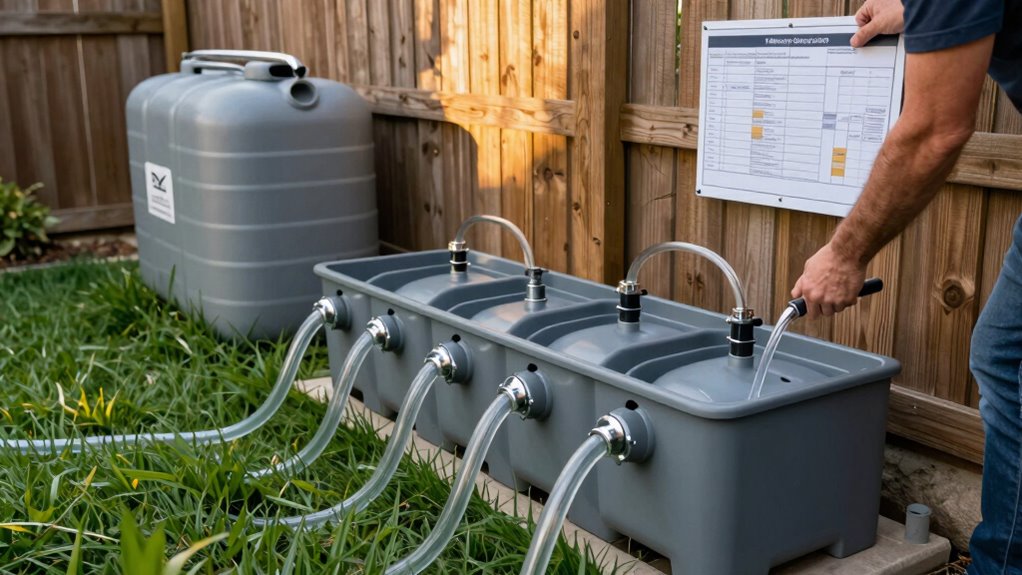
If you find yourself caught violating grey water regulations, it’s essential to stay calm and act quickly. Address the situation responsibly to minimize penalties and avoid illegal discharge accusations. First, acknowledge the mistake without denial to demonstrate cooperation. Next, gather any relevant information, such as permits or receipts. Contact local authorities immediately to explain the situation and seek guidance. Consider requesting a compliance review or inspection. To avoid fines, show your willingness to correct the issue swiftly. Be honest, cooperative, and proactive in resolving the violation. Remember, transparency can help reduce penalties and demonstrate your commitment to compliance. Taking these steps helps with fines avoidance and shows you’re serious about adhering to the rules moving forward.
Frequently Asked Questions
Can Grey Water Be Used for Indoor Toilet Flushing?
Yes, you can use grey water for indoor toilet flushing if you have proper indoor plumbing and grey water filtration systems in place. First, verify your grey water is filtered to remove contaminants, making it safe for non-potable uses. Installing a dedicated grey water system allows you to reuse water from sinks or showers efficiently. Just follow local regulations to avoid fines and keep your indoor plumbing safe and compliant.
What Are the Health Risks of Improper Grey Water Disposal?
If you improperly dispose of grey water, you face health hazards and contamination risks. You could spread bacteria, viruses, or harmful chemicals that threaten your health and the environment. These risks increase if grey water contaminates water sources or soil, leading to infections or illnesses. To prevent this, make certain proper disposal methods and avoid releasing grey water into areas where it can cause contamination, protecting both your health and the community.
How Does Grey Water Recycling Impact Property Value?
Think of grey water recycling as revealing hidden treasure in your property. It boosts your property’s value by showcasing eco-friendly features, appealing to environmentally conscious buyers. This practice can lead to significant economic benefits, including lower water bills and potential incentives. Incorporating grey water systems can elevate your property’s valuation, making it stand out in a competitive market and turning sustainability into a tangible asset.
Are There Specific Plants That Thrive on Grey Water?
You’ll want to choose plants that thrive with grey water, like certain shrubs, fruit trees, and ornamental plants. Focus on proper plant selection and follow watering guidelines to prevent problems. Avoid plants sensitive to salts or chemicals in grey water, such as edible herbs or vegetables. Always test and monitor soil, and adjust watering accordingly to keep your landscape healthy without risking soil or plant damage.
How Long Can Grey Water Be Stored Before It Becomes Unsafe?
You should store grey water for no more than 24 hours to guarantee water safety. After this period, bacteria and pathogens can multiply, making it unsafe for plants or reuse. To maintain water quality, use a clean, covered container and keep it cool. If you need longer storage, consider treating the water with filtration or disinfection methods to prevent health risks.
Conclusion
By understanding where grey water goes and how to store it properly, you’re planting seeds for a greener future. Managing regulations might feel like walking a tightrope, but with careful planning, you’ll keep your system running smoothly without risking a storm of fines. Think of your grey water setup as a delicate dance—balance and knowledge guarantee you stay in step with eco-friendly practices, turning your home into a sustainable oasis amidst a desert of waste.