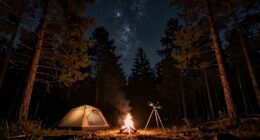


Immersing yourself in nature through forest bathing can considerably boost your overall well-being by engaging your senses and fostering mindfulness. As you observe wildlife, breathe in the scents of trees, and notice the canopy’s layers, you activate relaxation responses and reduce stress. These immersive walks promote emotional resilience, mental clarity, and physical health by strengthening your connection with the natural world. Continuing this journey reveals even more ways to embrace nature’s healing power.
Key Takeaways
- Forest bathing enhances mental, emotional, and physical well-being through sensory engagement with nature.
- Immersive walks promote mindfulness and reduce stress by focusing on natural rhythms and wildlife activity.
- Observing wildlife and canopy layers fosters interconnectedness, curiosity, and emotional resilience.
- These walks activate relaxation responses, lower cortisol levels, and improve mood and mental health.
- Incorporating nature-based practices into routines supports long-term resilience and holistic well-being.

Have you ever wondered how simply immersing yourself in a forest environment can promote well-being? Scientific research indicates that forest bathing, or shinrin-yoku, offers profound benefits by engaging your senses and fostering a deep connection with nature. When you step into a forest, you activate a holistic process that influences your mental, emotional, and physical health. One of the most enriching aspects of this experience is wildlife observation; as you pause and observe the subtle movements of birds, insects, and mammals, your awareness becomes heightened. This practice encourages mindfulness, allowing you to attune to the natural rhythm of the environment. Noticing these creatures enhances your sense of interconnectedness and reduces stress, as your brain shifts focus from daily worries to the intricate dance of life around you.
Another essential component of immersive forest walks is canopy exploration. When you look upward, the layered canopy offers a dynamic landscape teeming with life and color. Exploring this upper layer provides a unique perspective, revealing how trees communicate through chemical signals and how sunlight filters through leaves, creating a mosaic of light and shadow. This exploration is not merely visual; it engages your olfactory senses as well, with the scent of damp bark and fresh foliage grounding you further in the present moment. As you move through the canopy, you cultivate a sense of curiosity and wonder, which can foster emotional resilience and mental clarity. The canopy’s complexity mirrors the intricacies of your own inner landscape, encouraging a holistic approach to well-being that integrates mind and body.
Engaging in wildlife observation and canopy exploration during your forest walks allows you to slow down and absorb the environment more fully. This active engagement supports the parasympathetic nervous system, promoting relaxation and reducing cortisol levels. The sensory richness of the forest landscape stimulates neuroplasticity, helping your brain adapt and recover from stress. Empirically, these immersive experiences have shown to improve mood, increase feelings of vitality, and enhance overall mental health. The therapeutic value lies in the simple act of being present with nature’s intricate systems, fostering a sense of harmony and balance within yourself. When you incorporate wildlife observation and canopy exploration into your routine, you harness nature’s healing power, cultivating resilience and fostering a profound sense of well-being rooted in genuine connection. Additionally, integrating nature-based health strategies can further amplify these benefits, supporting long-term mental and physical resilience.
Frequently Asked Questions
Can Children or Pets Participate in Forest Bathing?
Children and pets can participate in forest bathing, but you must prioritize child safety and pet supervision. Keep a close eye on little ones to prevent them from wandering off or encountering hazards, and make certain pets are leashed and well-behaved. This practice fosters a holistic connection with nature, promoting relaxation and well-being for everyone involved. By maintaining awareness and safety, you enhance the therapeutic benefits of immersive nature walks for all ages.
How Often Should I Practice Forest Bathing for Health Benefits?
Research shows that practicing forest bathing two to three times a week can enhance your overall well-being. To experience the long-term benefits, follow frequency guidelines that promote consistency without burnout. Regular immersion in nature supports stress reduction, boosts immune function, and improves mental clarity. Make it a therapeutic routine, and you’ll deepen your connection with nature, fostering holistic health and resilience over time.
Are There Any Contraindications or Health Risks Involved?
You should be aware of potential allergic reactions to plants, pollen, or insect bites, which can cause discomfort or health issues. Wildlife encounters, while enriching, might pose risks like bites or disturbances. To minimize risks, practice forest bathing calmly, wear appropriate clothing, and stay alert. If you have allergies or health concerns, consult a healthcare professional beforehand. This mindful approach guarantees a safe, therapeutic connection with nature.
What Gear or Clothing Is Recommended for Forest Bathing?
Picture yourself as a gentle leaf floating on a stream, effortlessly connected to nature. For forest bathing, wear comfortable, breathable nature attire suited for the weather, like moisture-wicking layers and sturdy walking shoes. Don’t forget safety gear such as a hat, insect repellent, and a small first aid kit. This holistic approach enhances your therapeutic experience, ensuring safety while fully immersing you in the calming embrace of the forest.
Can Forest Bathing Be Combined With Other Wellness Practices?
Yes, you can definitely combine forest bathing with mindfulness meditation and yoga integration. Doing so enhances your holistic wellness by deepening relaxation and fostering a stronger mind-body connection. As you move through the forest, practice mindfulness meditation to heighten awareness of your surroundings. Incorporate gentle yoga poses to release tension and improve flexibility, creating a therapeutic experience that nurtures both mental clarity and physical vigor.
Conclusion
So, next time life feels overwhelming, don’t just scroll away your stress—step into the forest. Ironically, the best way to disconnect from technology and find clarity is to immerse yourself fully in nature’s embrace. Forest bathing isn’t just a trendy escape; it’s a scientifically-backed, holistic way to restore your mind and body. Sometimes, the simplest solution is right outside your door—yet we often overlook the healing power of just being present with the trees.