
Many travelers overlook vital safety checks before hitting the road. You might forget to test all your vehicle’s lights, including brake and turn signals, or neglect to examine smoke detectors and carbon monoxide alarms. Ensuring emergency supplies are stocked and accessible is often overlooked too. Double-check your route, weather conditions, and nearby emergency services. Don’t miss inspecting safety features and practicing emergency procedures. Continue exploring to discover the essential safety steps that could make or break your trip.

Get travel and outdoor gear delivered free with Prime
- Fast, free delivery on millions of items
- Prime Video, Amazon Music and more included
- Member-only deals all year
Key Takeaways
- Verify that all emergency safety devices, like smoke detectors and fire extinguishers, are functioning and easily accessible.
- Double-check that vehicle safety features, including lights and mirrors, are fully operational and clean.
- Review and update emergency procedures specific to the campervan for different scenarios.
- Ensure route planning includes knowledge of nearby emergency services and rest stops.
- Conduct a thorough safety check of all vehicle systems, including brakes, tires, and fluid levels, before departure.
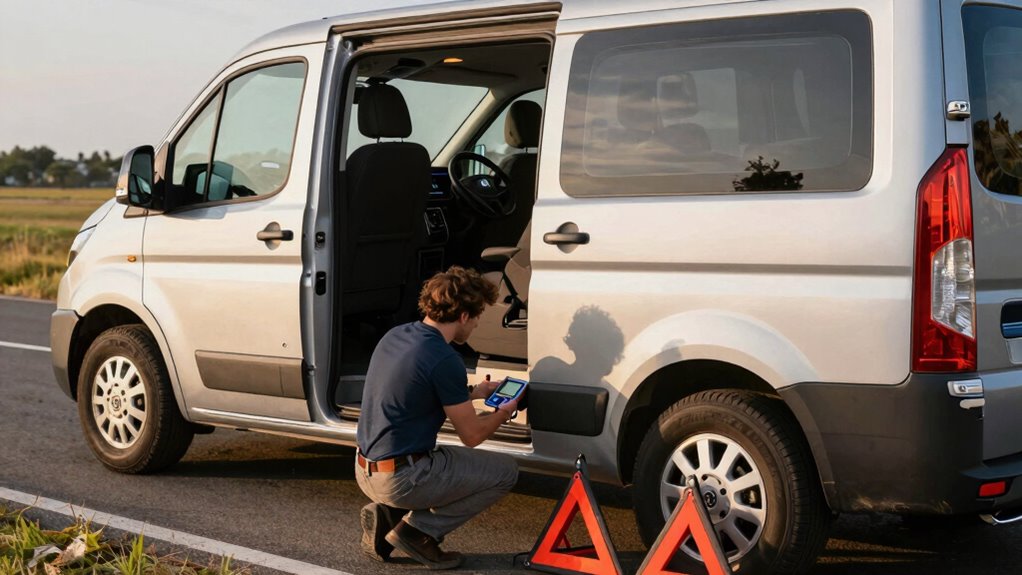
Are you confident your campervan is safe to hit the road? Before you set out on your adventure, it’s essential to check some often-overlooked safety details. Many travelers focus on the mechanical basics like tires and brakes but forget about the critical aspects that can make or break your trip. One of the most important is emergency preparedness. Do you have a fully stocked first aid kit, fire extinguisher, and emergency tools? These may seem obvious, but it’s easy to overlook whether they’re up-to-date or accessible. Make sure your emergency supplies are intact, properly stored, and easy to reach in case of unexpected situations. It’s also wise to review your campervan’s safety features, like smoke detectors, carbon monoxide alarms, and emergency exit points. Knowing how to quickly access and use these can make a huge difference if issues arise on the road.
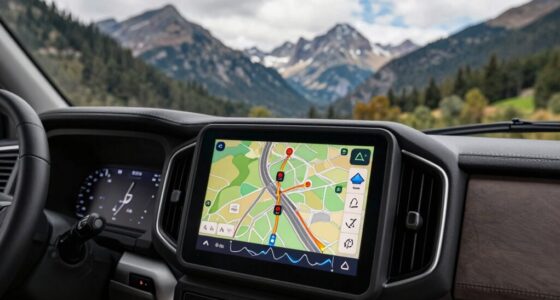
Another often neglected safety check involves route planning. It’s not just about choosing the scenic route but confirming your planned journey accounts for road conditions, height restrictions, and fuel stops. Double-check your navigation tools and have a physical map as a backup. Precise route planning helps you avoid hazardous areas, construction zones, or roads with tight turns and low bridges that could damage your campervan. Plus, knowing your route well allows you to identify nearby emergency services and rest stops, which is invaluable if you encounter mechanical problems or need a break. Incorporate these details into your trip prep so that you’re not scrambling for solutions mid-journey. Additionally, reviewing your vehicle’s safety features, like lighting systems, ensures maximum visibility and reduces the risk of accidents. It’s also beneficial to familiarize yourself with vehicle safety features, so you can confidently handle any unforeseen issues. It’s important to remember that regular safety checks**** can prevent many common problems and keep your trip running smoothly.
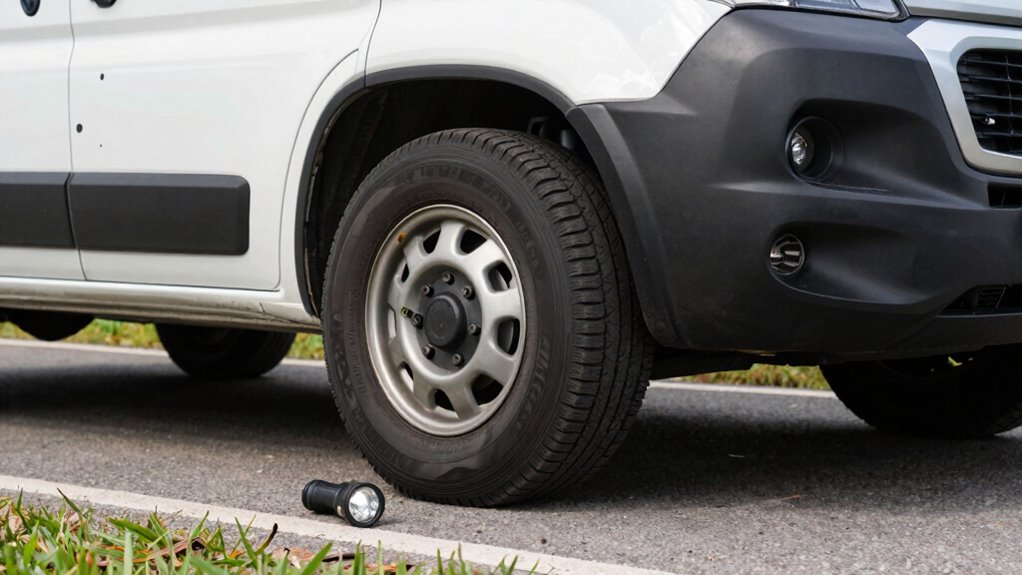
Beyond these areas, don’t forget to review your campervan’s lighting systems, including headlights, brake lights, and turn signals. Visibility is essential, especially if you’re traveling at night or in bad weather. Check your mirrors and ensure your windows are clean for clear visibility. Also, consider how you’ll handle unexpected weather changes by packing appropriate gear and checking weather forecasts before departure. Taking the time to prepare for emergencies and carefully planning your route minimizes surprises and keeps you safe. It’s also helpful to familiarize yourself with your campervan’s emergency procedures, so you’re prepared for various situations. Doing so creates an extra layer of confidence and readiness. Ultimately, these overlooked safety checks are simple but indispensable steps that help ensure your campervan adventure is enjoyable, safe, and stress-free from start to finish.
As an affiliate, we earn on qualifying purchases.
Frequently Asked Questions
How Often Should I Perform Safety Checks During a Trip?
You should perform safety checks every few hours during your trip, especially focusing on emergency preparedness and security measures. Regularly inspecting tires, brakes, and lights keeps you safe, while checking door locks and windows guarantees security. If you’re stopping for extended periods, do a quick safety review before resuming your journey. Staying vigilant helps prevent issues and keeps you prepared for emergencies, making your trip safer and more enjoyable.
What Safety Gear Is Essential Inside the Campervan?
You should always have crucial safety gear inside your campervan, including a fire extinguisher, first aid kit, and emergency preparedness supplies. Security systems, like alarms or locks, are indispensable to protect your belongings and ensure peace of mind. Keep flashlights, reflective vests, and spare batteries handy for emergencies. Regularly check that all safety gear is in working order, so you’re ready for any unexpected situations on your journey.
Are There Specific Safety Checks for Different Weather Conditions?
Yes, you should perform specific safety checks based on weather conditions. In rain or snow, guarantee your windshield wipers are functional and replace them if streaking. Check your tire pressure regularly, especially before storms, to prevent blowouts. For icy conditions, verify that your tire tread is adequate and consider carrying chains. These checks help you stay safe and maintain visibility and control during adverse weather.
How Do I Ensure My Campervan’s Fire Safety Measures Are Adequate?
You can’t afford to leave safety to chance when it comes to fire in your campervan. Start by checking that your fire extinguisher is up-to-date and functioning properly. Test your smoke detector regularly to guarantee it alerts you early. Keep fire safety equipment easily accessible, and review escape routes. Think of it as your safety net—always ready to catch you if things go wrong.
What Are Common Safety Mistakes to Avoid Before Starting a Trip?
Before starting your trip, you should avoid common safety mistakes like neglecting emergency preparedness and overlooking vehicle documentation. Make certain your emergency kit is complete, and you know how to use it. Double-check that all vehicle documentation, like registration and insurance, is current and accessible. Don’t forget to review your route and emergency contacts. These steps help prevent mishaps and ensure you’re ready for unexpected situations on the road.
Conclusion
Before hitting the road, don’t forget these overlooked safety checks—they’re your safety net. Think of them as the final puzzle pieces that complete your adventure’s picture. Skipping even one could turn your trip into a detour you didn’t plan for. Stay vigilant, double-check everything, and keep safety a priority. With these simple steps, you’ll be cruising smoothly, like a well-oiled machine, ready to enjoy the open road with confidence and peace of mind.
Halloween Picks
halloween
As an affiliate, we earn on qualifying purchases.