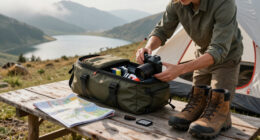
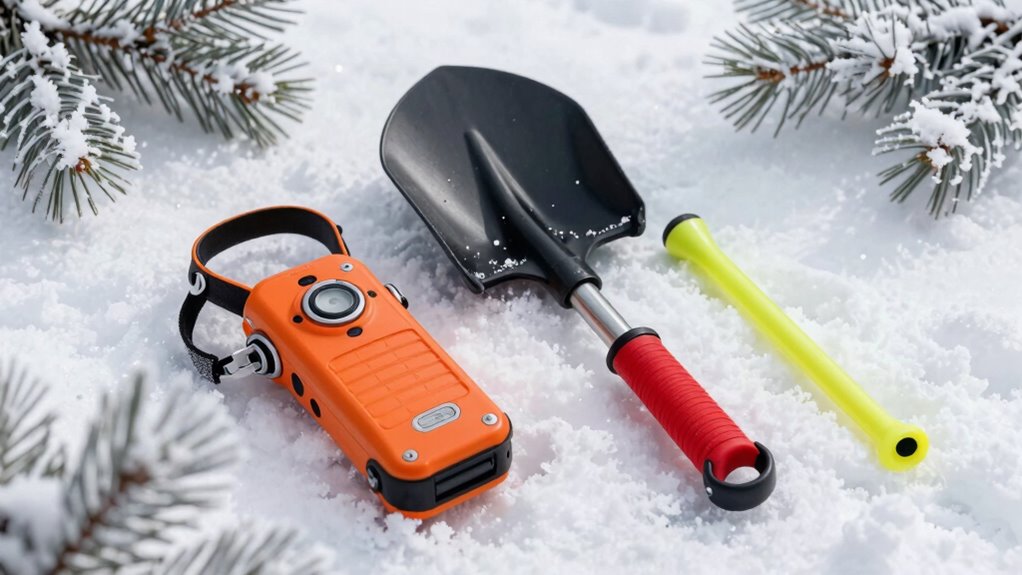
To stay safe in avalanche terrain, you need essential gear like a transceiver, probe, and shovel. Practice using them regularly so you can respond quickly in emergencies. Wear proper layers and waterproof gear to stay warm and dry. Understand how snowpack and weather affect risks, and always check forecasts before heading out. Using your gear confidently and understanding avalanche conditions will help you make smarter decisions—keep exploring to learn more about staying safe in winter adventures.

Get travel and outdoor gear delivered free with Prime
- Fast, free delivery on millions of items
- Prime Video, Amazon Music and more included
- Member-only deals all year
Key Takeaways
- Learn the functions and proper use of essential avalanche safety gear like transceivers, shovels, and probes.
- Practice quick deployment of avalanche gear regularly to ensure efficient rescue responses.
- Wear appropriate layered clothing and waterproof gear to stay warm and dry in winter conditions.
- Understand how to interpret avalanche transceiver signals and conduct snowpack tests for hazard assessment.
- Always carry and familiarize yourself with essential safety equipment before heading into avalanche-prone areas.
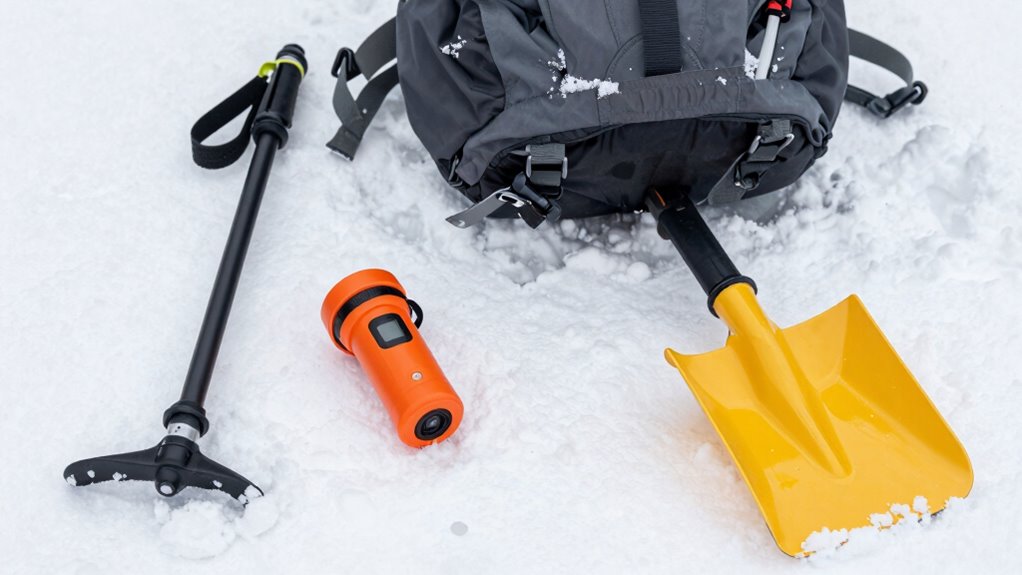
When venturing into snowy backcountry terrain, having the right avalanche gear is essential for your safety. Before heading out, you should prioritize avalanche safety training. This training teaches you how to recognize avalanche-prone conditions, interpret snowpack stability, and perform rescue techniques. This knowledge allows you to make smarter decisions and avoid hazardous situations. It’s a crucial step that can make a difference between a safe adventure and a dangerous situation. With proper training, you’ll gain confidence in assessing risks and responding quickly if an avalanche occurs. It’s also wise to practice using your gear regularly, so when the moment comes, you can act swiftly and efficiently.
Your winter clothing essentials play a critical role in protecting you from the elements. Layering is key: a moisture-wicking base layer keeps sweat away from your skin, an insulating mid-layer retains body heat, and a waterproof outer shell shields you from wind and snow. Don’t forget to wear a hat and gloves suited for cold conditions, as well as sturdy, waterproof boots to keep your feet dry and warm. Staying dry and warm helps prevent hypothermia, which can be deadly in cold environments. Proper clothing also ensures you stay comfortable, allowing you to focus on your surroundings and respond effectively during emergencies. Additionally, understanding snowpack stability is vital for avoiding avalanche danger and making informed decisions on the mountain. Recognizing how weather conditions influence snowpack can further enhance your safety and preparedness in backcountry environments. Being aware of avalanche forecasting can help you plan your trip during safer conditions and avoid high-risk days. Familiarizing yourself with snowpack tests can provide immediate insights into avalanche risk levels during your trip.
avalanche transceiver for skiing
As an affiliate, we earn on qualifying purchases.
As an affiliate, we earn on qualifying purchases.
Frequently Asked Questions
How Often Should I Update My Avalanche Gear?
You should update your avalanche gear annually to guarantee ideal avalanche safety and gear maintenance. Regularly check your transceiver, shovel, and probe for functionality, and replace any worn or damaged items. Batteries in electronic devices need changing, and gear should be cleaned and inspected for integrity. Keeping your gear current and in good condition helps you respond effectively during emergencies, maximizing safety during winter adventures.
Can I Rent Avalanche Safety Equipment Instead of Buying?
Yes, you can rent avalanche safety equipment, and it’s a smart choice if you’re just starting out or testing gear before committing. Rental options often include well-maintained gear, but always ask about gear maintenance to guarantee safety. Be cautious—rental gear may not be as personalized or in perfect condition as your own. The right equipment could be the difference between a safe adventure and a dangerous situation.
What Are the Most Common Mistakes When Using Avalanche Gear?
The most common mistakes when using avalanche gear happen when you skip avalanche training or neglect gear maintenance. Without proper training, you might not know how to effectively use your beacon, probe, or shovel. Failing to regularly check and maintain your gear can lead to equipment failure when you need it most. Always practice avalanche safety skills, keep your gear in top condition, and stay updated with training to avoid these mistakes.
How Do I Choose the Right Backpack for Avalanche Safety?
To choose the right backpack for avalanche safety, consider one designed specifically for winter adventures with features like a dedicated avalanche gear compartment and an airbag system. Make certain it fits comfortably and is durable. After selecting, regularly practice avalanche training and maintain your gear by inspecting it before each trip. This guarantees you’re prepared and your equipment functions properly when needed, improving your safety in snow-covered terrains.
Are There Specific Brands Known for Durable Avalanche Gear?
Some specific brands stand out for durable avalanche gear, like Black Diamond, Mammut, and Arc’teryx. These brands prioritize proper avalanche gear maintenance and rigorous avalanche gear testing, ensuring safety and longevity. By choosing reputable brands, you get gear that’s built tough and tested thoroughly. Always double-check the quality, and keep your gear in top shape through regular maintenance, so it performs flawlessly when you need it most on your winter adventures.
Conclusion
As you gear up for winter adventures, remember that each piece of equipment is a beacon of safety—a lighthouse guiding you through the storm. Embrace your gear as a trusted compass, pointing you toward secure paths amidst the snow’s silent secrets. With each item, you carry not just tools, but a promise of resilience and awareness, turning the unpredictable wilderness into a domain of discovery and safety. Let your gear be the steady heartbeat of your winter journey.
Fall Picks
fall essentials
As an affiliate, we earn on qualifying purchases.