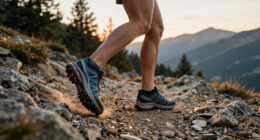
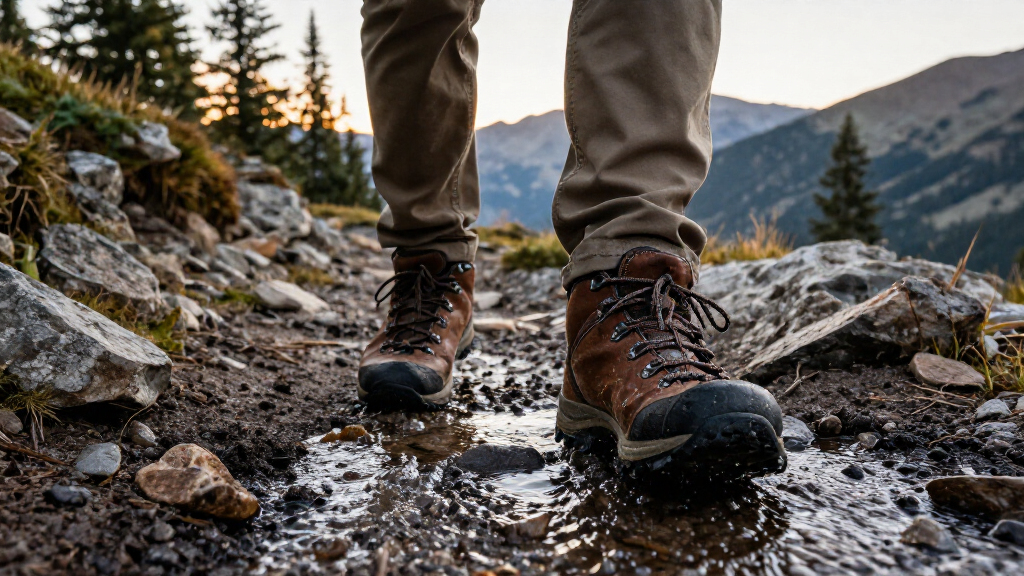
The best hiking shoes balance secure footing, comfort, and the right level of support for the trails you walk. My best overall pick is the Merrell Moab 3, a versatile low-cut option; the KEEN Targhee 3 Low Waterproof is a strong alternative for hikers who want waterproofing, while the KEEN Voyageur suits those who favor breathability. The main tradeoff is between a lighter, more flexible shoe and a more protective waterproof shoe or boot. Fit and intended terrain matter as much as the feature list, since a stiff or warm shoe can be a poor match for easy, dry trails. Read on for the full comparison, buying advice, and picks for different hiking needs.

Get travel and outdoor gear delivered free with Prime
- Fast, free delivery on millions of items
- Prime Video, Amazon Music and more included
- Member-only deals all year
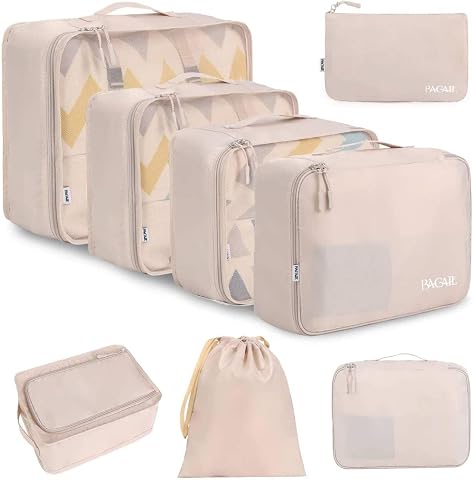
Complete the kit


Key Takeaways
- The Merrell Moab 3 lineup offers the broadest choice: low-cut, waterproof, and mid-height versions let buyers prioritize flexibility, wet-weather protection, or ankle coverage without changing model families.
- Waterproof protection comes with a comfort tradeoff: waterproof Merrell and Columbia options suit wet conditions, while breathable shoes such as the KEEN Voyageur make more sense in warm, dry weather.
- Low shoes and boots solve different problems: low-cut models favor lighter movement on day hikes, while mid-height choices add coverage and structure for rougher or wetter routes.
- The Columbia Transverse models are purpose-specific rather than interchangeable: the low shoe is a lighter option, while the men’s and women’s waterproof boots favor more coverage.
- The Saucony Cohesion TR 15 is the trail-running outlier: it may suit fast, dry outings, but hikers seeking dedicated hiking-shoe coverage should look first at the Merrell, KEEN, or Columbia models.
| Merrell Women’s Moab 3 Hiking Shoes |  | Best Overall for All-Day Trail Comfort | Upper: Pig suede leather and mesh | Midsole: Cushioned EVA | Insole: Removable contoured insole with reinforced heel cushioning | VIEW LATEST PRICE | See Our Full Breakdown |
| Merrell Men’s Moab 3 Hiking Shoe | 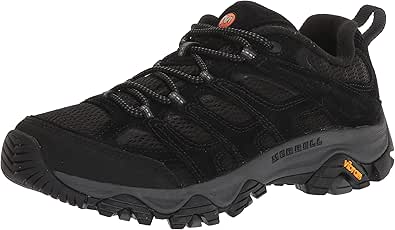 | Best for Comfortable Day Hikes | Upper: Pigskin leather and mesh | Shaft height: Ankle | Support: Medium | VIEW LATEST PRICE | See Our Full Breakdown |
| Merrell Men’s Moab 3 Mid Waterproof Hiking Boots |  | Best for Wet-Trail Protection | Upper: Pigskin leather and mesh | Shaft height: Ankle | Waterproofing: Waterproof membrane | VIEW LATEST PRICE | See Our Full Breakdown |
| Columbia Men’s Fairbanks Low Hiking Shoes |  | Best for Lightweight Trail-to-Town Wear | Upper: Suede leather and mesh | Shaft height: Low-top | Midsole: TechLite lightweight cushioned midsole | VIEW LATEST PRICE | See Our Full Breakdown |
| Merrell Men’s Moab 3 Waterproof Hiking Boots |  | Best Waterproof Pick for Supportive Day Hikes | Waterproofing: Waterproof membrane | Upper: Pigskin leather and mesh | Outsole: Vibram TC5+ rubber | VIEW LATEST PRICE | See Our Full Breakdown |
| KEEN Men’s Targhee 3 Low Waterproof Hiking Shoes |  | Best for Rugged, Wet Trails | Upper: 100% leather | Waterproofing: KEEN.DRY breathable membrane | Outsole: KEEN ALL-TERRAIN rubber | VIEW LATEST PRICE | See Our Full Breakdown |
| Columbia Transverse Waterproof Women’s Hiking Boots |  | Best for Cushioned Day Hikes | Upper: Leather and mesh | Waterproofing: Seam-sealed, waterproof-breathable construction | Shaft height: Ankle | VIEW LATEST PRICE | See Our Full Breakdown |
| Columbia Women’s Newton Ridge Plus Waterproof Amped Hiking Boot |  | Best Lightweight Mid-Cut Pick | Upper: Waterproof leather and suede | Construction: Seam-sealed | Midsole: TECHLITE lightweight cushioning | VIEW LATEST PRICE | See Our Full Breakdown |
| Columbia Men’s Transverse Waterproof Hiking Boots |  | Best for Mixed-Surface Day Hikes | Upper: Leather and mesh | Waterproofing: Waterproof, seam-sealed, breathable construction | Shaft height: Ankle | VIEW LATEST PRICE | See Our Full Breakdown |
| KEEN Men’s Voyageur Low-Height Breathable Hiking Shoes |  | Best for Breathable Dry-Trail Comfort | Upper: Water-resistant leather | Mesh panels: Yes | Weight: 15.6 oz / 442.3 g per shoe | VIEW LATEST PRICE | See Our Full Breakdown |
| Columbia Men’s Transverse Hike Low |  | Best for Sneaker-Like Comfort | Closure: Pull-on | Sole material: Rubber | Listed outer material: Canvas | VIEW LATEST PRICE | See Our Full Breakdown |
| NORTIV 8 Men’s Waterproof Ankle-High Hiking Boots |  | Best for Cushioned Ankle Coverage | Shaft height: Ankle | Shaft circumference: 29.4 cm | Waterproof: Yes | VIEW LATEST PRICE | See Our Full Breakdown |
| Saucony Men’s Cohesion TR 15 Trail Running Shoes |  | Best for Fast, Light Trail Days | Closure: Lace-up | Outer material: Mesh | Inner material: Mesh | VIEW LATEST PRICE | See Our Full Breakdown |
| Columbia Men’s Crestwood Hiking Shoes |  | Best for Dry-Weather Day Hikes | Upper: Suede leather and breathable mesh | Fabric: Leather and textile | Shaft height: Low-top | VIEW LATEST PRICE | See Our Full Breakdown |
| Merrell Men’s Moab 3 Mid Hiking Boot |  | Best for Supportive, Cushioned Boot Coverage | Shaft height: Ankle | Upper: Pigskin leather and mesh | Insole: Removable Kinetic Fit ADVANCED contoured insole with reinforced heel cushioning | VIEW LATEST PRICE | See Our Full Breakdown |
| hiking shoe | Upper | Outsole | Midsole | Shaft height |
|---|---|---|---|---|
| Merrell Women’s Moab 3 Hiking | Pig suede leather and mesh | Vibram rubber | Cushioned EVA | — |
| Merrell Men’s Moab 3 Hiking Sh | Pigskin leather and mesh | Vibram rubber | — | Ankle |
| Merrell Men’s Moab 3 Mid Water | Pigskin leather and mesh | Vibram TC5+ rubber | Lightweight EVA foam | Ankle |
| Columbia Men’s Fairbanks Low H | Suede leather and mesh | Omni-Grip non-marking rubber | TechLite lightweight cushioned midsole | Low-top |
| Merrell Men’s Moab 3 Waterproo | Pigskin leather and mesh | Vibram TC5+ rubber | Lightweight EVA foam | — |
| KEEN Men’s Targhee 3 Low Water | 100% leather | KEEN ALL-TERRAIN rubber | — | — |
| Columbia Transverse Waterproof | Leather and mesh | — | — | Ankle |
| Columbia Women’s Newton Ridge | Waterproof leather and suede | Omni-GRIP non-marking rubber | TECHLITE lightweight cushioning | — |
| Columbia Men’s Transverse Wate | Leather and mesh | — | — | Ankle |
| KEEN Men’s Voyageur Low-Height | Water-resistant leather | — | — | Not applicable |
| Columbia Men’s Transverse Hike | — | Omni-Grip | TechLite | — |
| NORTIV 8 Men’s Waterproof Ankl | — | — | Flexible EVA | Ankle |
| Saucony Men’s Cohesion TR 15 T | — | Carbon rubber lugs | — | — |
| Columbia Men’s Crestwood Hikin | Suede leather and breathable mesh | Non-marking Omni-Grip rubber | TechLite cushioned | Low-top |
| Merrell Men’s Moab 3 Mid Hikin | Pigskin leather and mesh | Vibram TC5+ rubber | Lightweight EVA foam | Ankle |
More Details on Our Top Picks
Merrell Women’s Moab 3 Hiking Shoes
The Merrell Women’s Moab 3 earns my all-around pick by balancing cushioning, support, and trail-ready protection without adding a waterproof membrane. Its Vibram outsole and protective toe cap suit varied terrain, while the contoured removable insole and cushioned midsole help on longer days. Compared with the Columbia Men’s Fairbanks Low, it puts more emphasis on supportive underfoot structure and toe protection; the Fairbanks is the lighter-feeling choice for mixing pavement with easy trails. The Moab 3’s leather-and-mesh upper offers a practical blend of durability and breathability, and recycled laces and webbing add a material-conscious touch. The tradeoff is a potentially stiff feel before it breaks in, and without specified waterproofing, it is less suited to persistently wet trails.
Pros:- Contoured removable insole and cushioned midsole support long days on foot
- Vibram rubber outsole provides dependable traction across varied terrain
- Protective toe cap and bellows tongue help guard against trail debris
- Recycled laces and webbing add recycled materials to the construction
Cons:- May feel stiff until broken in
- No waterproof membrane is specified
- Pig suede leather may not suit buyers avoiding animal-derived materials
Best for: Hikers seeking a supportive, cushioned low shoe for varied day hikes and mixed trail conditions, without needing waterproof coverage.
Not ideal for: Hikers who routinely cross wet ground or want a flexible shoe straight from the box; the upper has no specified waterproof membrane and may need break-in time.
- Upper:Pig suede leather and mesh
- Midsole:Cushioned EVA
- Insole:Removable contoured insole with reinforced heel cushioning
- Outsole:Vibram rubber
- Toe protection:Protective toe cap
- Tongue:Bellows tongue to help keep debris out
- Laces and webbing:100% recycled
Our verdict“Choose the Women’s Moab 3 for supportive all-day hiking comfort and sturdy traction, provided you do not need waterproofing or an especially flexible first wear.”
Merrell Men’s Moab 3 Hiking Shoe
The Men’s Moab 3 is the straightforward choice for hikers who want a cushioned, supportive low shoe rather than a boot. Its removable contoured insole, medium support, and Vibram outsole give it a more trail-focused foundation than the Columbia Fairbanks Low, while its ankle-height listing offers less coverage than the waterproof Moab 3 Mid. The leather-and-mesh upper and recycled lining, laces, and webbing make this a durable-feeling option with some breathability. It makes the most sense for established paths and day hikes where comfort and traction matter more than weather protection. The main compromises are the lack of a specified waterproof membrane and the use of pigskin leather; hikers seeking higher coverage should choose a mid-cut model instead.
Pros:- Removable contoured insole provides structured support and reinforced heel cushioning
- Vibram outsole offers grip for varied trail surfaces
- Cushioned midsole is suited to extended day hikes
- Recycled laces, webbing, and mesh lining reduce reliance on new materials
Cons:- No waterproof membrane is specified
- Ankle-height listing provides less coverage than the Moab 3 Mid
- Pigskin leather will not suit every buyer
Best for: Day hikers who prefer a low-cut shoe with a supportive removable insole, reliable traction, and a leather-and-mesh upper.
Not ideal for: Hikers needing waterproof protection, higher coverage, or footwear free of pigskin leather.
- Upper:Pigskin leather and mesh
- Shaft height:Ankle
- Support:Medium
- Insole:Removable Kinetic Fit ADVANCED contoured insole with reinforced heel cushioning
- Outsole:Vibram rubber
- Lining:100% recycled mesh
- Laces and webbing:100% recycled
Our verdict“Pick the Men’s Moab 3 for supportive, grippy day hiking in a low-cut shoe, but choose a waterproof mid-cut boot for wet or more demanding conditions.”
Merrell Men’s Moab 3 Mid Waterproof Hiking Boots
For hikers who want ankle-height coverage and a waterproof barrier, the Moab 3 Mid Waterproof fills a different role from the low-cut Men’s Moab 3. Its waterproof membrane is the key distinction, backed by a protective toe cap, molded nylon shank, and Vibram TC5+ outsole for rougher or damp trails. The lightweight EVA midsole and Merrell Air Cushion at the heel aim to soften repeated steps, while the removable contoured insole adds support. Compared with the Moab 3 Waterproof Hiking Boots, this mid model is the clearer pick when the listed ankle-height construction matters; both offer waterproofing and Vibram traction. The tradeoff is added coverage versus the freer feel of a low shoe, and the fit may run narrow for some hikers.
Pros:- Waterproof membrane helps keep feet dry while allowing moisture to escape
- Vibram TC5+ outsole supplies traction on varied terrain
- Molded nylon shank and removable contoured insole add support
- EVA midsole and Air Cushion heel soften impact on long hikes
Cons:- Fit may feel narrow for some hikers
- Mid-cut coverage may feel less free than a low hiking shoe
- Pigskin leather upper may not fit buyers seeking animal-free materials
Best for: Hikers who regularly encounter wet trails and want a waterproof, ankle-height shoe with cushioning and underfoot structure.
Not ideal for: Hikers with a preference for a roomy fit or a low-cut, less coverage-focused shoe for dry trails.
- Upper:Pigskin leather and mesh
- Shaft height:Ankle
- Waterproofing:Waterproof membrane
- Outsole:Vibram TC5+ rubber
- Midsole:Lightweight EVA foam
- Arch shank:Molded nylon
- Heel cushioning:Merrell Air Cushion
- Laces and webbing:100% recycled
Our verdict“Choose the Moab 3 Mid Waterproof if damp trails and added ankle-height coverage matter more to you than the lighter feel of a low-cut shoe.”
Columbia Men’s Fairbanks Low Hiking Shoes
The Columbia Fairbanks Low suits buyers who want one lightweight shoe for easy trails and everyday wear, rather than the more structured feel of the Merrell Moab 3. Its TechLite midsole cushions each step, and the suede-and-mesh upper keeps the low-top design suited to casual use as well as outings. The Omni-Grip rubber outsole is specified for wet and dry traction, but the product data does not list a waterproof membrane, so that grip should not be mistaken for waterproof protection. Compared with the Moab 3, the Fairbanks emphasizes versatility and light cushioning over a contoured support insole and protective toe cap. That makes it less compelling for rocky, demanding routes, but appealing when a boot-like level of structure is unnecessary.
Pros:- TechLite midsole provides lightweight cushioning
- Omni-Grip rubber outsole is designed for wet and dry terrain
- Breathable mesh pairs with a suede leather upper
- Low-top design works for trails and everyday wear
Cons:- No waterproofing is specified
- Product details do not list a protective toe cap or removable contoured insole
- Offers less structured trail support than the Merrell Moab 3
Best for: Hikers and everyday walkers who favor a lightweight low-top for maintained trails, dry outings, and casual wear.
Not ideal for: Hikers on persistently wet or rugged routes who need specified waterproofing, a protective toe cap, or more structured support.
- Upper:Suede leather and mesh
- Shaft height:Low-top
- Midsole:TechLite lightweight cushioned midsole
- Outsole:Omni-Grip non-marking rubber
- Fabric:Leather and textile
- Sole material:Rubber
Our verdict“Choose the Fairbanks Low for lightweight, casual trail use, but look to the Moab 3 for a more supportive shoe on demanding hikes.”
Merrell Men’s Moab 3 Waterproof Hiking Boots
The Men’s Moab 3 Waterproof is a strong match for hikers who want a waterproof barrier, a supportive footbed, and reliable trail traction in one package. Its Vibram TC5+ outsole, molded nylon shank, and removable Kinetic Fit ADVANCED insole make it more structured than the lightweight Columbia Fairbanks Low, while the waterproof membrane suits wetter routes that the Fairbanks is not specified to handle. Cushioning comes from lightweight EVA foam and a shock-absorbing heel, with a protective toe cap for added trail coverage. Recycled mesh lining, laces, and webbing are a useful material choice. The tradeoff is that waterproof construction may feel less airy than a non-waterproof low shoe, and this listing gives no shaft-height detail for buyers comparing coverage.
Pros:- Waterproof membrane helps keep feet dry while allowing moisture to escape
- Vibram TC5+ rubber outsole provides trail traction
- Removable contoured insole, molded nylon shank, and EVA midsole support comfort
- Recycled mesh lining, laces, and webbing are used in the construction
Cons:- Waterproof construction may feel less breathable than a non-waterproof low shoe
- Shaft height is not specified in the supplied product details
- Pigskin leather may not suit buyers seeking animal-free footwear
Best for: Day hikers seeking waterproof protection, supportive underfoot structure, and Vibram traction for damp or variable trail conditions.
Not ideal for: Hikers prioritizing maximum breathability, a low-cut fit, or clear shaft-height specifications before choosing footwear.
- Waterproofing:Waterproof membrane
- Upper:Pigskin leather and mesh
- Outsole:Vibram TC5+ rubber
- Insole:Removable Kinetic Fit ADVANCED contoured insole
- Midsole:Lightweight EVA foam
- Arch support:Molded nylon shank
- Lining:100% recycled mesh
- Toe protection:Protective toe cap
Our verdict“Pick the Moab 3 Waterproof for supportive, grippy hiking in wet conditions, but choose a lighter non-waterproof shoe if airflow and low-cut freedom matter more.”
KEEN Men’s Targhee 3 Low Waterproof Hiking Shoes
The Targhee 3 Low is the strongest choice here for hikers who want a low-cut shoe with trail-focused protection. Its KEEN.DRY waterproof membrane, toe guard, supportive shank, and 4 mm multi-directional lugs suit muddy or rocky routes better than the more general-purpose Columbia Transverse boots. The roomy toe box and removable arch-support footbed also offer a comfort-focused fit for longer days, though fit preference is personal. That protection comes with a real tradeoff: at 15.87 oz per shoe, it is not the lightest option in this group, and the leather upper needs more care than a mesh-forward shoe. Pick it for varied, rough conditions; skip it if low weight and minimal upkeep matter more than underfoot support.
Pros:- KEEN.DRY membrane pairs waterproofing with breathable construction
- 4 mm multi-directional lugs are suited to muddy and rocky terrain
- Protective toe guard and supportive shank add trail protection
- Removable arch-support footbed and generous toe space
Cons:- Listed weight of 15.87 oz per shoe is substantial for a low hiking shoe
- Leather may need brushing and specialist cleaner for tougher stains
Best for: Hikers who want a waterproof low-cut shoe with a roomy toe area and added support for muddy, rocky trails
Not ideal for: Fast hikers prioritizing low shoe weight, or buyers who prefer an easy-care synthetic upper
- Upper:100% leather
- Waterproofing:KEEN.DRY breathable membrane
- Outsole:KEEN ALL-TERRAIN rubber
- Lug depth:4 mm multi-directional lugs
- Sole material:EVA and rubber
- Weight:15.87 oz / 499.9 g per shoe
- Fit:KEEN Original Fit with generous toe space
- Footbed:Removable with arch support
Our verdict“Choose the Targhee 3 Low for supportive waterproof protection on rough trails, but look elsewhere if you want a lighter, lower-maintenance shoe.”
Columbia Transverse Waterproof Women’s Hiking Boots
The women’s Transverse is a practical pick for day hikers who want ankle-height waterproof coverage and impact cushioning without a notably heavy-duty setup. Its TECHLITE cushioning is designed to absorb impact and return energy, which may make repeated steps on packed paths feel less harsh. The OMNI-GRIP outsole is intended for wet and dry ground, giving it broader surface versatility than a shoe aimed mainly at dry trails. Compared with the women’s Newton Ridge Plus, the Transverse emphasizes cushioning and a leather-mesh upper rather than a leather-and-suede mid-cut build. Its stated weather use is a limitation: it is designed for moderate rain and snow, not prolonged severe exposure. Choose it for ordinary day hikes, not extended outings in harsh weather.
Pros:- Seam-sealed waterproof-breathable construction
- TECHLITE cushioning absorbs impact and offers high energy return
- OMNI-GRIP outsole is designed for wet and dry terrain
- Leather and mesh upper balances durable materials with breathability
Cons:- Weather use is specified for moderate rain and snow rather than prolonged severe conditions
- Ankle-height construction offers less coverage than a taller boot
Best for: Women seeking ankle-height boots with cushioning for regular day hikes in changeable but moderate weather
Not ideal for: Hikers planning prolonged exposure to severe rain or snow who need more clearly specified harsh-weather protection
- Upper:Leather and mesh
- Waterproofing:Seam-sealed, waterproof-breathable construction
- Shaft height:Ankle
- Shaft circumference:1 inch
- Cushioning:TECHLITE impact absorption with high energy return
- Traction:OMNI-GRIP multi-terrain outsole
- Sole material:Rubber
- Origin:Imported
Our verdict“Pick the women’s Transverse for cushioned day hikes in moderate weather, and choose a more weather-focused boot for extended severe conditions.”
Columbia Women’s Newton Ridge Plus Waterproof Amped Hiking Boot
The Newton Ridge Plus Amped makes sense for hikers who want a lightweight mid-cut boot with waterproof construction and cushioning, rather than the lower profile of a hiking shoe. Its seam-sealed leather-and-suede upper and reinforced toe and heel offer useful protection for varied trails, while the TECHLITE midsole cushions steps without making the boot’s listed design sound overly rigid. Compared with the women’s Columbia Transverse, this model’s description puts more emphasis on the leather-and-suede upper and reinforced zones; the Transverse highlights impact absorption and energy return. The Omni-GRIP outsole supports mixed-terrain use, but the product data does not specify lug depth or a particular weather limit. Fit is listed as true to size, though availability of sizes and colors may vary.
Pros:- Seam-sealed leather and suede upper provides waterproof construction
- TECHLITE midsole offers lightweight cushioning
- Omni-GRIP non-marking rubber outsole is suited to varied terrain
- Reinforced toe and heel add protection in wear-prone areas
Cons:- Product details do not specify lug depth or a particular severe-weather rating
- Available fits and colors may vary by size
Best for: Women who want a waterproof mid-cut boot with lightweight cushioning for varied day-hiking terrain
Not ideal for: Buyers needing clearly stated lug depth, severe-weather performance, or a low-cut shoe for maximum ankle freedom
- Upper:Waterproof leather and suede
- Construction:Seam-sealed
- Midsole:TECHLITE lightweight cushioning
- Outsole:Omni-GRIP non-marking rubber
- Sole material:Rubber
- Fit:True to size
- Shaft circumference:21.5 inches
- Origin:Imported
Our verdict“Choose the Newton Ridge Plus Amped for a cushioned waterproof mid-cut boot, especially if you value reinforced toe and heel protection.”
Columbia Men’s Transverse Waterproof Hiking Boots
For men who prefer ankle-height coverage over a low shoe, the Transverse pairs seam-sealed waterproof construction with a leather-and-mesh upper and cushioning aimed at varied surfaces. TECHLITE is designed to absorb impact and return energy, while the OMNI-GRIP outsole targets traction on wet or dry rock, dirt, and gravel. That makes this a more versatile day-hike boot than the breathable, water-resistant KEEN Voyageur Low when wet conditions are part of the plan. The tradeoff is weather scope: Columbia describes it for moderate rain and snow, not prolonged severe weather. It also gives up the Voyageur’s low-profile freedom, so buyers who value airflow and ankle mobility over waterproof coverage may prefer the KEEN.
Pros:- Waterproof, seam-sealed, breathable construction
- TECHLITE cushioning absorbs impact and offers high energy return
- OMNI-GRIP outsole is designed for wet and dry surfaces
- Leather and mesh upper with metal hardware
Cons:- Specified for moderate rain and snow rather than prolonged severe weather
- Ankle-height build offers less freedom of movement than a low hiking shoe
Best for: Men who want ankle-height waterproof boots with cushioning for day hikes across dirt, gravel, and wet rock
Not ideal for: Hikers facing prolonged severe weather, or those who prefer low-cut shoes and greater ankle mobility
- Upper:Leather and mesh
- Waterproofing:Waterproof, seam-sealed, breathable construction
- Shaft height:Ankle
- Shaft circumference:1 inch
- Cushioning:TECHLITE impact absorption with high energy return
- Traction:OMNI-GRIP multi-terrain outsole
- Sole material:Synthetic rubber
- Origin:Imported
Our verdict“Choose the Transverse for cushioned waterproof coverage on mixed-surface day hikes, but not for severe-weather trips or a low-cut feel.”
KEEN Men’s Voyageur Low-Height Breathable Hiking Shoes
The Voyageur Low is the clear choice in this group for hikers who put airflow and low-profile movement ahead of full waterproofing. Mesh panels and water-resistant leather suit warmer outings and damp conditions, while the stability shank, heel capture system, and removable metatomical footbed add support on uneven ground. Compared with the waterproof KEEN Targhee 3 Low, the Voyageur is lighter at 15.6 oz per shoe and more breathable, but its water resistance is not the same as a waterproof membrane. The low cut also leaves the ankle less protected on rough routes. Pick it for dry trails and comfort-focused day hikes; choose the Targhee or Columbia Transverse models when sustained wet conditions make waterproof construction a priority.
Pros:- Mesh panels support airflow on warmer hikes
- Water-resistant leather helps shed light moisture
- Stability shank and heel capture system support uneven-trail footing
- Removable metatomical footbed provides arch support
Cons:- Water-resistant upper is not described as fully waterproof
- Low profile offers less ankle protection on rugged terrain
Best for: Hikers seeking a breathable low-cut shoe for dry or mildly damp trails, with support for uneven ground
Not ideal for: People hiking through sustained rain, deep wet terrain, or rugged routes where ankle coverage is a priority
- Upper:Water-resistant leather
- Mesh panels:Yes
- Weight:15.6 oz / 442.3 g per shoe
- Sole material:Rubber
- Shaft height:Not applicable
- Fit:Low profile with padded tongue and collar
- Footbed:Removable metatomical footbed
- Support:Stability shank and heel capture system
Our verdict“Pick the Voyageur Low for breathable support on mostly dry trails, and choose the Targhee 3 Low when waterproof protection matters more.”
Columbia Men’s Transverse Hike Low
The Transverse Hike Low suits hikers who want a low-cut shoe with a more casual, sneaker-like feel. Its lightweight TechLite midsole cushions footfalls, while the Omni-Grip rubber outsole is designed for traction across rock, dirt, and gravel in wet or dry conditions. Compared with the more trail-running-oriented Saucony Cohesion TR 15, this Columbia puts more emphasis on a sturdy hiking-shoe build than a mesh running feel. Its leather-and-mesh upper also favors durability, though the supplied material details are inconsistent about the exact upper construction. The main compromise is the pull-on closure: hikers who need to fine-tune fit or lock down their heel may prefer the lace-up Crestwood or Saucony. Choose this for casual day hikes, not for a highly adjustable fit.
Pros:- Lightweight TechLite midsole provides impact-absorbing cushioning
- Omni-Grip outsole is designed for traction on varied terrain
- Sturdy upper construction is intended to handle regular outdoor use
- Low-cut design feels less boot-like than the NORTIV 8 ankle-high option
Cons:- Pull-on closure offers less fit adjustment than the lace-up Crestwood or Saucony Cohesion TR 15
- Product details describe the upper inconsistently, making its exact material makeup unclear
Best for: Day hikers who want cushioned, low-cut footwear with a more casual feel for mixed rock, dirt, and gravel trails.
Not ideal for: Hikers who need precise lace adjustment or a securely locked-in fit, especially on steep or uneven routes.
- Closure:Pull-on
- Sole material:Rubber
- Listed outer material:Canvas
- Midsole:TechLite
- Outsole:Omni-Grip
- Origin:Imported
Our verdict“Choose the Transverse Hike Low for cushioned day hikes when sneaker-like comfort matters more than precise lace adjustment.”
NORTIV 8 Men’s Waterproof Ankle-High Hiking Boots
The NORTIV 8 ankle-high boots offer a straightforward choice for hikers who want more coverage than a low shoe and cushioning they can remove or replace. Their waterproof construction, cushioned removable insoles, and flexible EVA midsoles suit casual hikes where foot comfort and ankle-height coverage take priority. Compared with the low-cut Columbia Crestwood, these boots provide a taller shaft and explicitly listed waterproofing, but they are likely to feel more boot-like and less airy. The rubber sole is described as slip-resistant, though the product details do not specify a named outsole compound or traction pattern. That makes this a practical general-purpose pick, not the most clearly documented option for demanding terrain. Choose the NORTIV 8 for flexible cushioning and coverage; skip it if you prefer a light, low-cut shoe.
Pros:- Waterproof construction is specified
- Removable cushioned insoles allow replacement or adjustment
- Flexible EVA midsole is designed to reduce foot fatigue
- Ankle-high shaft offers more coverage than the Columbia Crestwood low-top
Cons:- Ankle-high build may feel bulkier than low-cut shoes such as the Saucony Cohesion TR 15
- Product details do not identify a specific outsole design or compound beyond rubber
Best for: Casual hikers seeking waterproof ankle-high footwear with removable cushioning for day hikes and other outdoor activities.
Not ideal for: Hikers who prioritize a low, lightweight feel or want detailed outsole information for choosing footwear for technical terrain.
- Shaft height:Ankle
- Shaft circumference:29.4 cm
- Waterproof:Yes
- Outer material:Nylon and faux leather
- Sole materials:EVA and rubber
- Insole:Removable, cushioned
- Midsole:Flexible EVA
Our verdict“Pick the NORTIV 8 if you want waterproof ankle-height coverage and removable cushioning for general outdoor use.”
Saucony Men’s Cohesion TR 15 Trail Running Shoes
The Saucony Cohesion TR 15 is the most trail-running-focused pick here, with VERSARUN cushioning, a mesh upper, and carbon rubber lugs built for grip on rugged terrain. That combination makes it a better match for hikers who move quickly on established trails than the more substantial ankle-high Merrell Moab 3 Mid. Its lace-up closure also allows more fit adjustment than the pull-on Columbia Transverse Hike Low. The tradeoff is coverage: this is a low-cut mesh shoe, not a boot, and its product details do not list waterproofing or the more protective upper materials found on some hiking options. Supportive overlays help secure the foot and shield it from debris, but they do not turn it into a heavy-duty boot. Choose it for light, brisk hikes in suitable conditions.
Pros:- VERSARUN cushioning supports underfoot comfort
- Carbon rubber lugs are designed to grip rugged trail surfaces
- Lace-up closure allows fit adjustment
- Mesh upper and supportive overlays balance airflow with debris protection
Cons:- Low-cut mesh construction offers less coverage than the Merrell Moab 3 Mid
- Waterproofing is not specified in the product details
Best for: Hikers who prefer a low-cut, running-shoe feel for brisk day hikes on established trails.
Not ideal for: Hikers who need waterproofing, ankle-height coverage, or a more substantial boot for rough and wet conditions.
- Closure:Lace-up
- Outer material:Mesh
- Inner material:Mesh
- Sole material:Rubber
- Cushioning:VERSARUN
- Outsole:Carbon rubber lugs
Our verdict“Choose the Cohesion TR 15 for light, fast hikes where trail grip and a running-shoe feel matter more than boot coverage.”
Columbia Men’s Crestwood Hiking Shoes
The Columbia Crestwood is a sensible low-top for hikers who want a breathable upper and cushioning without moving up to a boot. Its suede leather and mesh construction balances a more substantial feel than the all-mesh Saucony Cohesion TR 15 with airflow for dry outings. The cushioned TechLite midsole and non-marking Omni-Grip outsole make it suited to varied trails as well as indoor wear, a useful distinction from more trail-specific options. Columbia says it is ready to wear without a break-in period, but its clearest limitation is weather: this model is designed for dry environments, unlike the waterproof NORTIV 8. That makes the Crestwood a comfortable everyday hiking choice, not a dependable pick for wet trails. Choose it when breathability and versatility matter more than weather protection.
Pros:- Suede leather and mesh upper combines structure with breathability
- TechLite midsole provides cushioning
- Non-marking Omni-Grip outsole is intended for varied terrain and indoor wear
- Listed as ready to wear without a break-in period
Cons:- Designed for dry environments rather than wet-weather hiking
- Low-top construction offers less ankle coverage than the Merrell Moab 3 Mid
Best for: Day hikers who want a breathable, low-top shoe for dry trails and occasional indoor use.
Not ideal for: Hikers who regularly encounter rain, wet ground, or need explicitly waterproof footwear like the NORTIV 8.
- Upper:Suede leather and breathable mesh
- Fabric:Leather and textile
- Shaft height:Low-top
- Midsole:TechLite cushioned
- Outsole:Non-marking Omni-Grip rubber
- Sole material:Rubber
- Origin:Imported
Our verdict“Choose the Crestwood for breathable, comfortable hikes in dry conditions, but look elsewhere for waterproof protection.”
Merrell Men’s Moab 3 Mid Hiking Boot
The Merrell Moab 3 Mid is the most supportive, feature-rich boot in this group for hikers who want cushioning, ankle-height coverage, and a dedicated hiking outsole. Its removable Kinetic Fit ADVANCED insole, EVA midsole, and heel Air Cushion work together to soften impacts and add stability; the Vibram TC5+ rubber outsole gives it a more clearly specified traction platform than the NORTIV 8. Compared with the low-cut Columbia Crestwood, the Moab adds a taller shaft and more substantial construction, but that extra coverage may feel like more shoe than casual dry-trail walkers need. The pigskin leather-and-mesh upper also differs from the synthetic materials listed on the NORTIV 8. Recycled laces, webbing, and lining are a useful material choice, but waterproofing is not specified for this model.
Pros:- Removable contoured insole and EVA midsole provide layered cushioning
- Merrell Air Cushion in the heel is designed to absorb shock and add stability
- Vibram TC5+ rubber outsole specifies the traction platform
- Recycled laces, webbing, and mesh lining reduce reliance on new materials
Cons:- Ankle-high, leather-and-mesh construction is more substantial than the Columbia Crestwood low-top
- Waterproofing is not specified, unlike the NORTIV 8
Best for: Hikers seeking an ankle-high boot with structured cushioning, heel stability, and a named Vibram outsole for varied trails.
Not ideal for: Walkers who want a light, breathable low-top or need explicitly listed waterproofing for wet-weather hikes.
- Shaft height:Ankle
- Upper:Pigskin leather and mesh
- Insole:Removable Kinetic Fit ADVANCED contoured insole with reinforced heel cushioning
- Midsole:Lightweight EVA foam
- Outsole:Vibram TC5+ rubber
- Laces and webbing:100% recycled
- Lining:100% recycled mesh
- Origin:Made in the USA or imported
Our verdict“Choose the Moab 3 Mid if you want a cushioned, supportive hiking boot with Vibram traction and do not require listed waterproofing.”
How We Picked
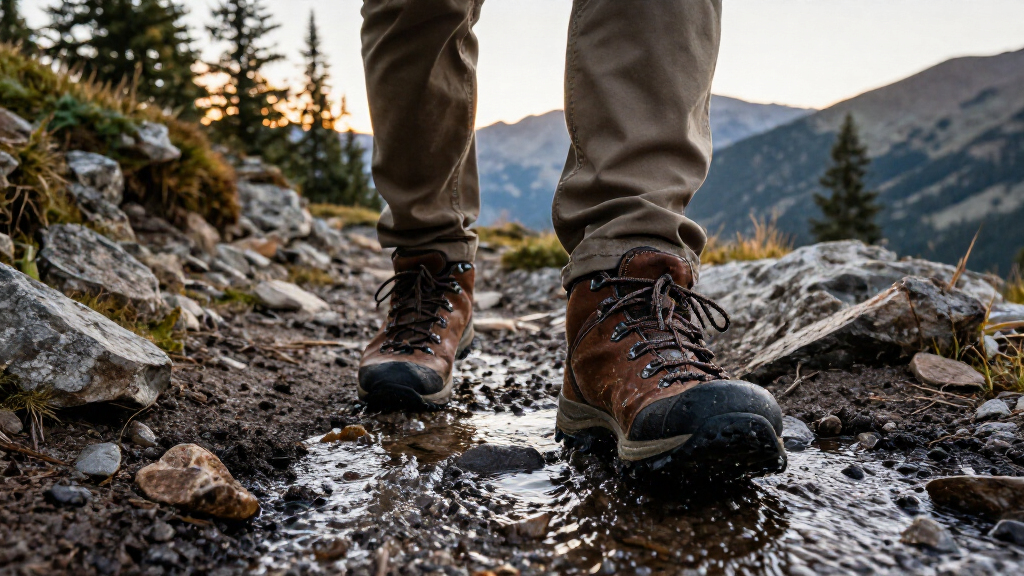
I compared these 15 options by the features that change how a hiking shoe feels and performs on the trail: traction, fit potential, cushioning, support, waterproofing, breathability, and coverage. I also weighed versatility: a shoe that can handle a range of day-hiking conditions ranks ahead of a more specialized model when the tradeoffs are clear. Because the lineup includes low shoes, waterproof designs, and mid-height boots, I judged each against its intended use rather than treating every style as a direct substitute.
The order favors well-rounded trail use first, then options with a clear advantage for a particular need, such as wet-weather protection, airflow, or a lower-cut feel. Similar models are separated by their practical differences, not just by brand or gender-specific sizing. I also considered where a buyer might be better served by a different type of footwear, such as choosing a trail-running shoe for dry, fast outings instead of a more protective hiking shoe.
| hiking shoe | Shaft height | Sole material |
|---|---|---|
| Merrell Women’s Moab 3 Hiking | — | — |
| Merrell Men’s Moab 3 Hiking Sh | Ankle | — |
| Merrell Men’s Moab 3 Mid Water | Ankle | — |
| Columbia Men’s Fairbanks Low H | Low-top | Rubber |
| Merrell Men’s Moab 3 Waterproo | — | — |
| KEEN Men’s Targhee 3 Low Water | — | EVA and rubber |
| Columbia Transverse Waterproof | Ankle | Rubber |
| Columbia Women’s Newton Ridge | — | Rubber |
| Columbia Men’s Transverse Wate | Ankle | Synthetic rubber |
| KEEN Men’s Voyageur Low-Height | Not applicable | Rubber |
| Columbia Men’s Transverse Hike | — | Rubber |
| NORTIV 8 Men’s Waterproof Ankl | Ankle | — |
| Saucony Men’s Cohesion TR 15 T | — | Rubber |
| Columbia Men’s Crestwood Hikin | Low-top | Rubber |
| Merrell Men’s Moab 3 Mid Hikin | Ankle | — |
Factors to Consider When Choosing Best Hiking Shoes
Choosing among hiking shoes is less about finding the most features and more about matching protection, fit, and weight to your regular routes. I’d start with trail conditions and foot comfort, then use construction details to narrow the shortlist.
Match the shoe to the terrain you actually hike
For maintained paths and short day hikes, a flexible low-cut shoe can feel less cumbersome than a boot. Rocky, uneven trails place greater demands on underfoot protection and a stable platform, so a very soft or running-oriented shoe may feel less secure. Mud and loose gravel also make outsole grip more important than extra cushioning alone. A common mistake is buying for an occasional rugged trip when most outings are easy walks; the added structure can feel unnecessary on everyday trails. If your routes vary, favor a versatile hiking shoe rather than the lightest or most specialized option.
Choose waterproofing only when it fits your climate
A waterproof membrane can help on wet grass, puddled trails, and cool rainy days, but it can also limit airflow. In warm weather, moisture from sweat may become as uncomfortable as water from outside, so a breathable shoe can be the better choice. Waterproofing does not make a shoe a substitute for a boot in deep water, and wet shoes can still take time to dry. Think about the weather you hike in most, not just the worst day you might encounter. If your local trails are usually dry, prioritizing ventilation may bring more day-to-day comfort than waterproof protection.
Treat fit as a performance feature
A shoe that fits poorly can cause slipping, pressure, or sore toes even if its materials and tread suit your route. Try footwear with the socks you plan to hike in, and check that your heel stays put while your toes have room at the front. Feet can swell during longer outings, so a fit that feels barely snug indoors may become uncomfortable on the trail. Do not assume the same size will fit every brand or model the same way. If possible, compare the fit late in the day and walk on an incline to spot toe pressure before committing.
Decide whether you need low-cut shoes or boots
Low-cut shoes generally feel lighter and allow more freedom around the ankle, which can suit day hikes on maintained trails. Mid-height boots add upper coverage and may feel more secure to hikers carrying a pack or walking on rough ground. They do not prevent every ankle injury, and a taller collar cannot compensate for a shoe that fits badly. The common mistake is choosing boots solely for the idea of ankle protection without considering their added weight and warmth. Choose the cut that feels stable on your usual terrain and comfortable over the length of your hikes.
Balance cushioning, support, and weight
Extra cushioning can soften long miles on firm surfaces, while a more structured shoe may feel steadier on uneven ground. Neither approach is universally better: a plush, flexible feel can become tiring if the terrain demands more control, and a stiff shoe may feel excessive on smooth paths. Heavier construction can also add fatigue over a full day, even when it offers useful protection. Consider your typical distance, pack weight, and the surfaces underfoot rather than choosing by cushioning alone. If you are new to hiking, comfort on a real walk matters more than a long list of technical features.
Know when to choose a trail-running shoe
Trail-running shoes can appeal to hikers who move quickly on dry, familiar trails and prefer a lighter, more flexible feel. Dedicated hiking shoes tend to be a better match when you want more coverage, structure, or protection from rough surfaces. The tradeoff becomes more noticeable with a loaded pack, loose rock, or wet conditions. Do not buy a trail runner just because it feels comfortable on a short indoor walk; check whether its fit and underfoot protection suit your routes. For mixed terrain or occasional hiking, a versatile hiking shoe is often the more forgiving choice.
Frequently Asked Questions
Are waterproof hiking shoes worth choosing for everyday day hikes?
They are worthwhile if your regular routes include wet grass, rain, puddles, or cool conditions. On hot, dry trails, a waterproof membrane may trap more warmth and moisture than you want. The Merrell Moab 3 Waterproof and Columbia waterproof options suit hikers who prioritize protection, while the KEEN Voyageur is a better direction for airflow. Consider how often you encounter wet conditions rather than treating waterproofing as an automatic upgrade. If your shoes get soaked beyond their intended use, expect them to dry more slowly than a breathable non-waterproof pair.
Should I buy a low hiking shoe or a mid-height boot?
Choose a low shoe when you value lighter movement and mainly hike on maintained or moderate trails. A mid-height boot may feel more protective on rougher routes or when you want additional upper coverage, but it adds weight and can feel warmer. The Merrell Moab 3 range illustrates this choice with both low and mid-height formats. A taller collar does not guarantee ankle injury prevention, so fit and stability still matter. If you are unsure, compare both cuts while wearing your usual hiking socks and walking on an incline.
Can I use trail-running shoes for hiking instead of hiking shoes?
Yes, a trail-running shoe can work for fast outings on dry, familiar trails if its fit and grip suit you. It may be a less fitting choice on rocky, wet, or uneven routes where added protection and structure can be useful. The Saucony Cohesion TR 15 is the lineup’s trail-running option, while the Merrell Moab 3 and Columbia Crestwood are more directly aimed at hiking use. Pack weight and hike length can also change how much support you want. Try the shoe on the terrain you expect to cover before making it your main hiking pair.
How much room should I leave at the front of a hiking shoe?
Your toes should have space to move without sliding forward into the front of the shoe on descents. A fit that feels tight in the store can become painful as feet swell during a longer hike. Wear the socks you plan to use, secure the laces, and walk down an incline if you can. Check that your heel does not lift excessively while your forefoot remains comfortable. Since sizing and shape vary across the Merrell, KEEN, and Columbia models, use fit rather than a familiar size label as your guide.
Do I need waterproof shoes if I already carry rain gear?
Rain gear protects your body but does not stop water from reaching your feet through wet grass, puddles, or trail runoff. Waterproof shoes can help in those conditions, though they may feel warmer than breathable footwear in dry weather. For occasional rain on otherwise dry routes, a breathable shoe may be more comfortable and can dry faster if it gets wet. Think about the conditions underfoot as well as rain from above. If your hikes often involve wet trails, the waterproof models in this roundup are more relevant than the non-waterproof alternatives.
Conclusion
For most day hikers, I’d start with the Merrell Moab 3 as the best overall choice because the lineup pairs a familiar hiking-shoe format with useful variants for different conditions. The Columbia Crestwood is my best value-style pick for buyers who want a straightforward hiking shoe, while the KEEN Targhee 3 Low Waterproof is the premium-leaning choice for hikers who prioritize waterproof coverage and a more protective feel. Beginners should look at the low-cut Merrell Moab 3 or Columbia Fairbanks Low and prioritize fit over extra features. For warm, dry hikes, the breathable KEEN Voyageur stands out; for added coverage, choose a mid-height Merrell or Columbia boot. Pick the pair that matches your terrain and fits comfortably with your hiking socks, rather than buying more protection than your routes demand.