


The best Arches National Park travel gear in this roundup is mostly practical trip-planning gear: guides and maps that help you choose hikes, plan drives, and make sense of the wider Moab area. I’d make Fodor’s InFocus Arches & Canyonlands National Parks my best overall pick for focused regional planning, while the National Geographic Trails Illustrated Map 211 stands out for trail and terrain reference and Best Easy Day Hikes: Canyonlands and Arches suits visitors prioritizing approachable walks. The main tradeoff is focus versus breadth: a dedicated Arches resource is easier to use for a short visit, while broad Utah and Grand Circle guides cover more stops on a longer road trip. These books and maps differ in how much they emphasize itineraries, hiking, and regional coverage. Read on for the full breakdown and help matching a guide to your trip.

Get travel and outdoor gear delivered free with Prime
- Fast, free delivery on millions of items
- Prime Video, Amazon Music and more included
- Member-only deals all year
Complete the kit


Key Takeaways
- Focused Moab planning won the overall spot: Fodor’s InFocus centers Arches, Canyonlands, and Moab, making it a better fit for a regional stay than guides spanning several states or parks.
- Maps and books serve different jobs: National Geographic Trails Illustrated Map 211 is the clearest trail-reference choice, while guidebooks provide broader context and planning ideas.
- Easy-hike planning has its own standout: Best Easy Day Hikes is aimed at visitors choosing manageable walks, rather than travelers seeking a full itinerary or wide regional coverage.
- Trip length changes what counts as value: Wider Utah and Grand Circle guides make more sense when Arches is one stop among many; a focused guide avoids carrying extra material for a short Moab visit.
- There is no single best format for every itinerary: The comparison favors pairing a relevant guide with a map when you need both trip context and a dedicated geographic reference.
| Fodor’s Utah: Zion, Bryce Canyon, Arches, Capitol Reef, and Canyonlands National Parks | 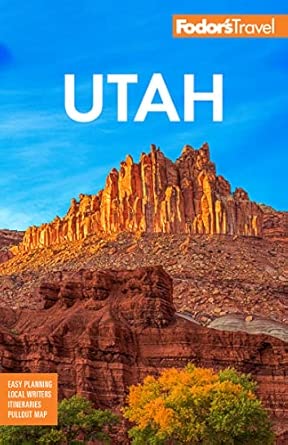 | Best for Multi-Park Utah Trips | Format: Full-color travel guide | Destination: Utah | Featured park: Arches National Park | VIEW LATEST PRICE | See Our Full Breakdown |
| Moab Travel Guide 2025: Explore Like a Local – Arches, Canyonlands National Parks, Hidden Gems, Adventure Trails, and Expert Itineraries |  | Best for Moab-Focused Itinerary Planning | Edition: 2025 | Primary destination: Moab | Featured parks: Arches and Canyonlands National Parks | VIEW LATEST PRICE | See Our Full Breakdown |
| Lonely Planet Utah’s National Parks: Zion, Bryce Canyon, Arches, Canyonlands & Capitol Reef |  | Best for Comparing Five Park Destinations | Publisher: Lonely Planet | Product type: Travel guide | Region: Utah | VIEW LATEST PRICE | See Our Full Breakdown |
| Arches National Park Map (National Geographic Trails Illustrated Map 211) |  | Best for Park-Focused Navigation | Product type: Park map | Map series: National Geographic Trails Illustrated | Map number: 211 | VIEW LATEST PRICE | See Our Full Breakdown |
| Moon Arches & Canyonlands National Parks (Travel Guide) |  | Best for a Two-Park Moab Area Trip | Product type: Travel guide | Named park coverage: Arches National Park | Additional park coverage: Canyonlands National Park | VIEW LATEST PRICE | See Our Full Breakdown |
| Grand Circle National Parks RV & Road Trip Guide: Utah & Arizona Adventures (Zion, Bryce, Capitol Reef, Arches, Canyonlands, Mesa Verde, Grand Canyon) |  | Best for RV Road Trips | Edition: 2025 | Coverage: Utah and Arizona national parks | Parks covered: Zion, Bryce, Capitol Reef, Arches, Canyonlands, Mesa Verde, and Grand Canyon | VIEW LATEST PRICE | See Our Full Breakdown |
| Fodor’s InFocus Arches & Canyonlands National Parks: With Moab |  | Best Arches-Area Travel Guide | Format: Full-color travel guide | Primary destination: Arches National Park | Additional park: Canyonlands National Park | VIEW LATEST PRICE | See Our Full Breakdown |
| Utah National Parks Map Pack Bundle |  | Best for Statewide Map Coverage | Map series: National Geographic Trails Illustrated | Format: Map pack bundle | Region: Utah national parks | VIEW LATEST PRICE | See Our Full Breakdown |
| Best Easy Day Hikes: Canyonlands and Arches National Parks |  | Best for Easier Day Hikes | Series: Best Easy Day Hikes | Product type: Hiking guide | Hike focus: Easy day hikes | VIEW LATEST PRICE | See Our Full Breakdown |
| A Complete Guide to the Grand Circle National Parks: Zion, Bryce Canyon, Capitol Reef, Arches, Canyonlands, Mesa Verde, and Grand Canyon (English and Japanese Edition) |  | Best for English-Japanese Grand Circle Trips | Format: English and Japanese edition | Coverage: Seven Grand Circle national parks | Parks covered: Zion, Bryce Canyon, Capitol Reef, Arches, Canyonlands, Mesa Verde, and Grand Canyon | VIEW LATEST PRICE | See Our Full Breakdown |
| Arches National Park travel gear | Product type |
|---|---|
| Fodor’s Utah: Zion | Travel guide |
| Moab Travel Guide 2025: Explor | — |
| Lonely Planet Utah’s National | Travel guide |
| Arches National Park Map | Park map |
| Moon Arches & Canyonlands Nati | Travel guide |
| Grand Circle National Parks RV | — |
| Fodor’s InFocus Arches & Canyo | Travel guide |
| Utah National Parks Map Pack B | Map bundle |
| Best Easy Day Hikes: Canyonlan | Hiking guide |
| A Complete Guide to the Grand | National parks guidebook |
More Details on Our Top Picks
Fodor’s Utah: Zion, Bryce Canyon, Arches, Capitol Reef, and Canyonlands National Parks
Fodor’s broad Utah coverage suits travelers who want Arches as one stop on a larger national-parks itinerary. Its full-color format may help readers scan a guide spanning five major parks, including Zion, Bryce Canyon, Capitol Reef, and Canyonlands. That wider scope is its main distinction from the Moab Travel Guide 2025, which concentrates on Moab, Arches, Canyonlands, and local attractions. The tradeoff is less destination-specific detail for a visitor focused on Arches alone: the supplied product information does not identify trail maps, itinerary depth, or other planning tools. Compared with the Arches-only National Geographic map, this is a broader trip-planning reference, not a substitute for a park map. I’d choose it for a Utah loop, but pair it with more focused navigation resources for time on the trails.
Pros:- Covers five major Utah national parks in one guide.
- Full-color format supports visual browsing.
- Useful for planning a multi-park itinerary rather than an Arches-only visit.
Cons:- Broad coverage may offer less Arches-specific focus than a Moab guide.
- The provided product details do not specify trail maps or itinerary content.
- A guidebook cannot replace a dedicated park map for on-trail navigation.
Best for: Travelers planning a Utah road trip that includes Arches and several other national parks.
Not ideal for: Visitors spending most of their time in Arches who want detailed trail navigation or verified, park-specific planning features.
- Format:Full-color travel guide
- Destination:Utah
- Featured park:Arches National Park
- Other featured parks:Zion, Bryce Canyon, Capitol Reef, and Canyonlands
- Number of featured national parks:Five
- Product type:Travel guide
Our verdict“Choose Fodor’s for a multi-park Utah trip, and add a dedicated map if your plans include trail navigation in Arches.”
Moab Travel Guide 2025: Explore Like a Local – Arches, Canyonlands National Parks, Hidden Gems, Adventure Trails, and Expert Itineraries
Moab-centered coverage makes this the most locally focused guide in this group. Its stated contents include expert itineraries, adventure trail maps, practical tips, and lesser-known attractions, giving it a different job from Fodor’s Utah, which spans five parks. That concentration makes sense for visitors building several days around Arches, Canyonlands, and Moab rather than driving a broad Utah circuit. The tradeoff is geographic: it is less suited to a trip that continues to Zion or Bryce Canyon. The 2025 edition also carries an inherent currency limitation for changing local conditions and attractions, so readers should check current information before relying on printed details. Compared with the National Geographic Arches map, this guide offers broader trip ideas, while the map is the more direct choice for park navigation.
Pros:- Focuses on Moab, Arches, and Canyonlands rather than all of Utah.
- Describes itineraries for different interests and timeframes.
- Includes trail maps and practical travel tips according to the product description.
- Covers lesser-known local attractions alongside major parks.
Cons:- Its Moab focus limits usefulness for broader Utah itineraries.
- Printed information can become outdated as attractions and local details change.
- The product data does not specify map scale or the extent of trail coverage.
Best for: Visitors basing themselves in Moab who want itinerary ideas across Arches, Canyonlands, and nearby local attractions.
Not ideal for: Travelers touring several distant Utah parks or anyone seeking a standalone, Arches-only navigation map.
- Edition:2025
- Primary destination:Moab
- Featured parks:Arches and Canyonlands National Parks
- Other stated coverage:Local gems and attractions
- Stated planning content:Expert itineraries for various interests and timeframes
- Stated map content:Adventure trail maps
- Stated practical content:Travel tips
Our verdict“Pick this guide for a Moab-centered visit with varied outings, but use a dedicated park map for precise trail navigation.”
Lonely Planet Utah’s National Parks: Zion, Bryce Canyon, Arches, Canyonlands & Capitol Reef
Five-park scope gives this Lonely Planet guide a clear role for travelers deciding how to divide time across Utah’s national parks. It covers Arches, Canyonlands, Zion, Bryce Canyon, and Capitol Reef, making it a broader companion for a multi-stop trip than the National Geographic map, which is specifically for Arches. It also differs from the Moab Travel Guide 2025: the latter is described as including local gems, itineraries, and trail maps, while this listing confirms the destinations but supplies no further content details. That makes the guide’s park coverage clear, but leaves its mapping, itinerary, and practical-planning features uncertain. I’d favor it over an Arches-only resource when comparing several parks, but pair it with a focused map or a more detailed local guide for day-to-day decisions.
Pros:- Covers five Utah national parks in one guide.
- Includes both Arches and neighboring Canyonlands.
- Useful for considering a wider park itinerary beyond the Moab area.
Cons:- The supplied product data does not describe maps, itineraries, or other planning tools.
- Its broad geographic scope may be less focused on Arches than a Moab-specific guide.
- It is not identified as a dedicated navigation map.
Best for: Travelers planning a route through multiple Utah national parks who want one guide covering all five named destinations.
Not ideal for: Arches visitors who need confirmed trail maps, specific Moab recommendations, or detailed planning features from the product listing.
- Publisher:Lonely Planet
- Product type:Travel guide
- Region:Utah
- Featured park:Arches National Park
- Other featured parks:Zion, Bryce Canyon, Canyonlands, and Capitol Reef
- Number of featured national parks:Five
Our verdict“Choose this for a multi-park Utah itinerary, but look to a focused Moab guide or park map for more specific Arches planning.”
Arches National Park Map (National Geographic Trails Illustrated Map 211)
Arches-specific coverage makes this the most focused navigation pick in the group. Unlike Fodor’s Utah or the Lonely Planet guide, which cover five parks, this National Geographic Trails Illustrated product is identified specifically as a map of Arches National Park. That focus suits visitors who already have their broad trip plan and want a park-oriented reference to take along. Its tradeoff is equally clear: it does not serve as a guide to Moab, Canyonlands, or a wider Utah road trip, and the supplied product data gives no scale, material, or map-coverage details. Compared with the Moab Travel Guide 2025, this is the narrower choice for the park itself; the Moab guide is described as offering itineraries and local tips. I’d pair them if both navigation and area planning matter.
Pros:- Specifically focused on Arches National Park.
- Part of National Geographic’s Trails Illustrated map series.
- Offers a more park-centered format than broad Utah travel guides.
Cons:- Does not cover a wider Utah itinerary as described.
- The product data does not provide map scale or material details.
- Does not include stated itinerary or local-attraction information.
Best for: Arches visitors who want a park-specific map alongside a broader guidebook or digital planning tools.
Not ideal for: Travelers who need one resource for Moab, Canyonlands, and multiple Utah parks, or who need confirmed details about map scale and materials.
- Product type:Park map
- Map series:National Geographic Trails Illustrated
- Map number:211
- Location:Arches National Park
- Publisher:National Geographic
- Named park coverage:Arches National Park
Our verdict“Choose this as a focused Arches map, not as your only resource for planning a wider Moab or Utah trip.”
Moon Arches & Canyonlands National Parks (Travel Guide)
Arches and Canyonlands together give this Moon guide a practical niche for visitors interested in both parks. Its stated scope is more focused than Fodor’s Utah, which covers five parks, while reaching beyond Arches alone unlike the National Geographic Trails Illustrated Map 211. That makes it a plausible guidebook choice for a Moab-area trip built around the neighboring parks. Still, the product information provides no detail about itineraries, maps, local recommendations, or edition, so I can’t rank it ahead of the Moab Travel Guide 2025 for specific planning features; those are explicitly described for the Moab title. The main tradeoff is uncertainty about what planning tools are inside. I’d select Moon for its clear two-park remit, then verify whether its contents match the detail needed for your trip.
Pros:- Names both Arches and Canyonlands as its focus.
- More concentrated on the two neighboring parks than broad Utah guides.
- A guidebook format can complement a dedicated park map.
Cons:- The provided product data does not describe maps or itinerary content.
- No edition or publication currency details are supplied.
- Its stated scope does not cover other Utah parks.
Best for: Travelers planning to visit both Arches and Canyonlands who prefer a guide focused on those two parks.
Not ideal for: Readers seeking confirmed trail maps, current edition details, or documented local itineraries before choosing a guide.
- Product type:Travel guide
- Named park coverage:Arches National Park
- Additional park coverage:Canyonlands National Park
- Number of featured parks:Two
- Series or brand:Moon
- ASIN:1631215043
Our verdict“Choose Moon for a guide focused on Arches and Canyonlands, but favor the Moab Travel Guide 2025 if documented itineraries and trail maps are your priority.”
Grand Circle National Parks RV & Road Trip Guide: Utah & Arizona Adventures (Zion, Bryce, Capitol Reef, Arches, Canyonlands, Mesa Verde, Grand Canyon)
I’d choose this guide when Arches is one stop on a longer Utah-and-Arizona drive, especially if the trip depends on RV routes and campsite planning. Its coverage spans seven parks, with RV-focused itineraries, campsite details, trail recommendations, and maps—a broader road-trip lens than Fodor’s InFocus Arches & Canyonlands National Parks: With Moab, which concentrates on two parks and their gateway area. That range can help first-time planners connect destinations rather than build each leg separately. The tradeoff is focus: a multi-park guide gives Arches less room than an Arches-specific map or hike guide, and its printed information may lag behind changing park conditions. I’d pair it with current park updates and a detailed local map if precise, up-to-date trail or access information matters.
Pros:- Covers seven major Utah and Arizona parks for a linked road-trip plan.
- Includes RV-oriented routes, campsite information, and amenities.
- Combines hiking recommendations with maps.
- Addresses both novice and experienced road-trippers.
Cons:- Arches receives less specialized attention than a park-specific map or hiking guide.
- Printed route, campsite, and trail information may become outdated.
- Coverage is limited to Utah and Arizona rather than the full Grand Circle.
Best for: RV travelers planning a multi-park Utah and Arizona itinerary who want campsite and route guidance in one guide.
Not ideal for: Visitors focused only on Arches or seeking current, highly detailed trail navigation; the guide covers a wide region and printed conditions can change.
- Edition:2025
- Coverage:Utah and Arizona national parks
- Parks covered:Zion, Bryce, Capitol Reef, Arches, Canyonlands, Mesa Verde, and Grand Canyon
- Trip focus:RV travel and road trips
- Planning content:RV-friendly itineraries and routes
- Camping content:Campsites and amenities
- Outdoor content:Hiking trail recommendations and maps
Our verdict“Choose this guide for RV logistics across several Utah and Arizona parks, not as your only source for current Arches trail details.”
Fodor’s InFocus Arches & Canyonlands National Parks: With Moab
For a trip centered on Arches, Canyonlands, and Moab, I’d favor this guide over the broader Grand Circle National Parks RV & Road Trip Guide, which spreads its attention across seven parks. Fodor’s tighter footprint suits travelers who want the two nearby parks and their gateway town treated as one outing, while the full-color format offers a more visual way to browse than the Utah National Parks Map Pack Bundle. The available product details don’t specify trail depth, lodging coverage, or navigation features, so I wouldn’t treat it as a substitute for a dedicated hiking guide or map. Its main compromise is the narrow geography: it won’t help much with a longer loop through places such as Zion or the Grand Canyon. I’d pick it for regional orientation, then add a map for route-finding.
Pros:- Covers Arches and Canyonlands together with the Moab area.
- Full-color format supports visual browsing and trip planning.
- Focused regional scope is more relevant to a Moab-based visit than a broad multi-state guide.
Cons:- Does not cover the wider Grand Circle destinations included in the RV & Road Trip Guide.
- Available product details do not establish the depth of trail or navigation information.
- A guidebook is not a replacement for a dedicated map when following routes outdoors.
Best for: Visitors spending most of their trip around Arches, Canyonlands, and Moab who want one color guide to the shared region.
Not ideal for: Road-trippers covering several other Utah or Arizona parks, or hikers who need clearly specified trail-by-trail guidance.
- Format:Full-color travel guide
- Primary destination:Arches National Park
- Additional park:Canyonlands National Park
- Gateway area:Moab
- Coverage focus:Two national parks and the surrounding Moab area
- Product type:Travel guide
Our verdict“Pick this for a Moab-centered visit to Arches and Canyonlands, and add a dedicated map if you need route detail.”
Utah National Parks Map Pack Bundle
I’d choose this bundle when the goal is map coverage across Utah’s national parks, rather than a single Arches visit. Its National Geographic Trails Illustrated map-pack format is a different planning tool from Fodor’s InFocus Arches & Canyonlands National Parks: With Moab, which is a full-color regional guide. Maps are the stronger fit when I want spatial context for moving between parks; the guidebook is better suited to browsing a destination area. The listed information doesn’t identify individual map titles, scale, or specific features, so I can’t assume how much detail each sheet provides. That uncertainty matters for trail use: buyers should check the included map coverage before relying on the bundle for a particular Arches route. It also won’t supply the itinerary and campsite planning found in the RV & Road Trip Guide.
Pros:- Bundle format is intended to cover Utah’s national parks rather than just Arches.
- Uses the National Geographic Trails Illustrated map series.
- Map-based planning can offer regional context beyond a destination-focused guidebook.
Cons:- Available details do not name the individual maps or confirm specific trail coverage.
- Does not provide the RV itineraries and campsite information described for the road-trip guide.
- A statewide bundle may be more coverage than needed for a short Arches-only visit.
Best for: Travelers visiting multiple Utah national parks who want a map-based overview to complement guidebooks or digital planning.
Not ideal for: Visitors seeking only detailed Arches hiking guidance, or anyone who needs confirmed coverage for a particular trail before purchase.
- Map series:National Geographic Trails Illustrated
- Format:Map pack bundle
- Region:Utah national parks
- Coverage type:Multiple Utah national parks
- Product type:Map bundle
- Named individual map sheets:Not specified in the available product data
Our verdict“Choose the map pack for multi-park Utah trip planning, but confirm its included map sheets if you need a specific Arches trail.”
Best Easy Day Hikes: Canyonlands and Arches National Parks
This is the clearest match in the group for travelers who want to plan easy day hikes in Arches and Canyonlands, rather than assemble a broad road itinerary. Compared with the Utah National Parks Map Pack Bundle, this guide’s defining strength is its focus on easier hikes; the map pack is aimed at statewide coverage, not a specific hiking difficulty. It also covers two neighboring parks, making it useful for a Moab trip with multiple walking days. The tradeoff is a narrower hiking brief: it won’t serve as a full destination guide like Fodor’s InFocus Arches & Canyonlands National Parks: With Moab, and the description doesn’t specify trail counts, distances, or difficulty criteria beyond the easy-hike focus. I’d use it to shortlist outings, while checking current park conditions before setting off.
Pros:- Specifically focuses on easy day hikes.
- Covers both Arches and Canyonlands National Parks.
- A more hike-centered choice than a general regional travel guide.
Cons:- Limited to easy day-hike planning rather than broader trip logistics.
- Available details do not list trail distances, counts, or other selection criteria.
- Does not cover the Moab area as a wider travel destination in the supplied description.
Best for: Visitors seeking manageable day hikes in both Arches and Canyonlands, including travelers who prefer a guide focused on easier outings.
Not ideal for: Hikers seeking strenuous routes, broad Utah road-trip logistics, or confirmed trail measurements not specified in the product details.
- Series:Best Easy Day Hikes
- Product type:Hiking guide
- Hike focus:Easy day hikes
- Primary destination:Arches National Park
- Additional destination:Canyonlands National Park
- ASIN:1493067303
Our verdict“Choose this when easier day hikes are the main reason for your Arches and Canyonlands visit, not for full-trip planning.”
A Complete Guide to the Grand Circle National Parks: Zion, Bryce Canyon, Capitol Reef, Arches, Canyonlands, Mesa Verde, and Grand Canyon (English and Japanese Edition)
I’d put this guide on the shortlist for English- and Japanese-speaking travelers planning a broad Grand Circle itinerary. Its seven-park coverage includes Arches and Canyonlands alongside Zion, Bryce Canyon, Capitol Reef, Mesa Verde, and Grand Canyon, making it a wider regional companion than Fodor’s InFocus Arches & Canyonlands National Parks: With Moab. The bilingual edition is its clearest distinction in this lineup; that can make shared trip planning more accessible for readers of either language. The tradeoff is that broad coverage leaves less room for the Arches-specific hiking focus of Best Easy Day Hikes: Canyonlands and Arches National Parks. The available description doesn’t specify map detail, itinerary depth, or which languages appear on each page, so I’d check those details if they matter to your planning style.
Pros:- Covers seven Grand Circle national parks, including Arches and Canyonlands.
- Presented in both English and Japanese.
- Offers broader regional scope than a guide focused on Arches, Canyonlands, and Moab.
Cons:- Broad park coverage may offer less Arches-specific hiking detail than a dedicated hike guide.
- Available information does not specify map content or itinerary depth.
- The supplied description does not clarify how the two languages are arranged within the book.
Best for: English- and Japanese-speaking travelers organizing a multi-park Grand Circle visit that includes Arches.
Not ideal for: Visitors focused on Arches alone or hikers who want a guide dedicated to easier trails and specified route details.
- Format:English and Japanese edition
- Coverage:Seven Grand Circle national parks
- Parks covered:Zion, Bryce Canyon, Capitol Reef, Arches, Canyonlands, Mesa Verde, and Grand Canyon
- Languages:English and Japanese
- Product type:National parks guidebook
- ASIN:0997137088
Our verdict“Choose this for bilingual planning across several Grand Circle parks, rather than for detailed Arches trail guidance.”

How We Picked
I compared the ten titles by how directly they support an Arches-area visit: geographic focus, usefulness for planning hikes and drives, map utility, coverage of nearby destinations, and suitability for different experience levels. I also weighed format and scope against likely trip needs, since a book covering several states can be helpful on a long road trip but less convenient for a short stay based in Moab.
The ranking puts focused, practical resources ahead of broad coverage when the title is meant to help with Arches itself. That places Fodor’s InFocus first for its Arches, Canyonlands, and Moab focus, with the Trails Illustrated map and easy-hike guide serving more specific needs. Wider Utah, Grand Circle, and multi-park guides remain useful for regional itineraries, but their broader scope makes them less direct choices for an Arches-only visit. These are editorial comparisons of the listed titles, not claims of field testing or current trail conditions.
| Arches National Park travel gear | Product type |
|---|---|
| Fodor’s Utah: Zion | Travel guide |
| Moab Travel Guide 2025: Explor | — |
| Lonely Planet Utah’s National | Travel guide |
| Arches National Park Map | Park map |
| Moon Arches & Canyonlands Nati | Travel guide |
| Grand Circle National Parks RV | — |
| Fodor’s InFocus Arches & Canyo | Travel guide |
| Utah National Parks Map Pack B | Map bundle |
| Best Easy Day Hikes: Canyonlan | Hiking guide |
| A Complete Guide to the Grand | National parks guidebook |
Factors to Consider When Choosing Best Arches National Park Travel Gear
Before choosing a guide or map, match its scope and format to the decisions you still need to make. A book that is useful for building a weeklong road trip may be cumbersome if you only need trail orientation for a day near Moab.
Match the Guide’s Geographic Scope to Your Itinerary
Start with how many places you plan to visit, not with how many destinations a cover can list. If Arches and Canyonlands anchor a Moab stay, a focused regional guide can make the planning material easier to find. A multi-park Utah or Grand Circle title becomes more useful when you are also organizing drives through Zion, Bryce, Capitol Reef, or destinations beyond Utah. A common mistake is buying the broadest guide because it appears to offer more, then carrying material that does little for the actual trip. Wider coverage is a benefit only when you expect to use it. For an Arches-only visit, prioritize direct relevance over page count.
Decide Whether You Need Route Reference or Trip Ideas
A guidebook and a trail map answer different questions. A guidebook can help organize a visit and compare possible activities, while a dedicated map is meant to support geographic orientation and route reference. If you are planning hikes, road access, or how nearby areas relate to one another, a map can fill a gap that a narrative guide does not. Do not assume a general travel guide replaces a map just because it discusses outdoor activities. Conversely, a map alone will not provide the same itinerary context as a guide. Choose the format based on the decisions you need to make before and during the trip.
Choose Hiking Advice That Fits Your Group
Think about the least experienced or least mobile person in your group when selecting hike-focused material. A guide centered on easy day hikes can help narrow choices for families, casual walkers, or visitors who prefer shorter outings. More general park guides may give a broader view of activities but may not organize walks around the same level of difficulty. Avoid selecting a hike solely because it is prominent in a book; check current official information for access, conditions, and any restrictions before setting out. If your group wants varied options, a hike-specific title can complement rather than replace a regional guide. The best match is the resource that helps you make realistic plans for your group.
Balance One-Trip Use Against Longer-Term Reuse
A narrow guide can be more useful on a short trip, while a broader regional title may stay relevant across several future journeys. Consider whether you want a resource for this visit alone or a reference for a larger Southwest itinerary. Wider titles that cover multiple parks can reduce the need to collect separate planning books, but they may provide less concentrated attention to Arches. A focused title can reduce search time when your plans revolve around Moab. The tradeoff is not simply more coverage versus less; it is breadth versus how quickly you can find material relevant to your route. Let your likely future travel plans determine whether broad scope is an advantage.
Use Printed Resources Alongside Current Park Information
Books and maps can help with advance planning, but park access, services, and trail conditions can change. Treat a guide as a planning aid rather than a guarantee that a route or facility will be available during your visit. Check current official park information close to departure, especially if your itinerary depends on a particular hike, road, or service. This also helps prevent a common planning error: building a day around an older printed detail without checking for updates. A physical map or book can still be useful when you want a stable overview, but it should not be your only source for time-sensitive details. Pair the printed resource with up-to-date information before committing to plans.
Keep Language and Edition Needs in View
Check the edition and language before buying, particularly when a title is tied to a publication year or offered in a multilingual edition. Language matters if several people in your group will use the same guide, and edition details affect how well the book suits your planning style. A Japanese-English guide may be a useful match for a bilingual trip, but it is not automatically the most convenient choice for every reader. Do not treat a date in a title as proof that every time-sensitive detail is current. Verify publication details and consult current official sources for changing conditions. This small check can prevent a format mismatch from undermining an otherwise suitable pick.
Frequently Asked Questions
Should I buy a focused Arches guide or a guide covering several Utah parks?
Choose a focused Arches-area title when most of your time is based around Moab and you want material centered on Arches and nearby Canyonlands. A wider Utah guide is a better fit when your route includes several parks and you want a single planning reference across the journey. Broader coverage can save you from collecting separate books, but it may give less attention to the details you need for a short Arches visit. Start by listing your overnight stops and major activities. Let the itinerary, rather than the number of destinations in a title, decide the scope.
Is a park map enough, or should I bring a guidebook too?
A map is useful when your main need is geographic orientation and a visual reference for trails or routes. A guidebook adds planning context, such as help comparing activities and organizing a visit. If you are already familiar with the area and have a simple plan, the map may cover your main reference need. If you are deciding what to do or how to combine nearby destinations, a guidebook can provide useful context that a map does not. Many travelers will find the two formats complementary rather than interchangeable.
Which option is best if my group only wants easy hikes?
Best Easy Day Hikes: Canyonlands and Arches National Parks is the most directly matched title in this lineup for visitors prioritizing manageable walks. Its narrower purpose may be more useful than a general guide when hiking choices are the main planning question. Still, do not rely on a printed description alone to judge whether a route suits your group on a particular day. Check current park guidance and conditions, and account for the abilities and comfort of everyone going. A broader guide can remain helpful if you also need lodging, driving, or multi-park planning context.
Does a Grand Circle guide make sense for a trip focused on Arches?
It can, but only if your itinerary genuinely extends beyond the Moab area. A Grand Circle guide is more relevant when you are connecting Arches with several parks across Utah and Arizona and want broad road-trip context. For a short visit centered on Arches and Canyonlands, that scope may add material you will not use. Compare the places you plan to stop with the places covered before choosing. If Arches is the main destination, a focused guide and a relevant map are likely to be easier to use.
Should I rely on printed guidebooks for current trail and access details?
No printed guide should be your only source for details that may change, such as access, trail conditions, closures, or available services. Use a guidebook or map to plan and understand the area, then check current official park information before your visit. This is particularly useful when one specific hike or route determines the rest of your day. Older print material may still help with general orientation, but it cannot reflect every update after publication. A quick pre-trip check can help you keep a useful plan while avoiding reliance on outdated details.
Conclusion
For most visitors planning around Moab, I recommend Fodor’s InFocus Arches & Canyonlands National Parks as the best overall choice because its scope stays close to the region. For a complementary geographic reference, choose the National Geographic Trails Illustrated Map 211; for visitors focused on approachable walks, Best Easy Day Hikes is the clearest specialist pick. The best value depends on the itinerary: a focused guide can be the more practical choice for a short stay, while a broader Utah or Grand Circle title serves a longer multi-park road trip. Beginners may prefer a focused guide paired with the easy-hike book rather than relying on one broad reference. For premium planning breadth, look at the wider multi-park or Grand Circle guides, while travelers who want map coverage across several areas should consider the Utah National Parks Map Pack. My short recommendation: match the guide’s coverage to your route, then add a map or hike-specific title only when it fills a real planning need.
Black Friday Picks

Kindle Paperwhite (12th Generation, 2024), 16 GB, 7-inch Display, Black
As an affiliate, we earn on qualifying purchases.